Afra
Wolof (Gambia, Senegal)
Understanding : Afra
INTRODUCTION
Afra is a name that resonates far beyond the borders of Senegal, Gambia, or Mali. It's more than just a dish: afra is an urban tradition, a popular and convivial art of grilling, a symbol of celebration and sharing in West African communities, but also a constantly evolving creation. A generic term for West African-style grilled meat, afra evokes the irresistible smells of markets, the warmth of bustling streets, nocturnal gatherings, and joyful tables on terraces. At the crossroads of the history of herders, cattle markets, urban culinary melting pot, and African creativity, afra is a social, flavorful, and identity-defining dish that carries a whole continent and its diasporas in its swirls.
Prepare this speciality
Choose a detailed recipe, adjust the portions and prepare your ingredients before starting. Our cooking tips and food safety advice complement the steps described in the recipes.
Explore further: Cooking tips · Food hygiene and safety advice.
History and uses
ORIGINS AND HISTORY: FROM THE BUSH TO THE STREETS
Pastoral Roots The taste for grilled meat, roasted oxen and sheep, existed in sub-Saharan Africa long before the colonial era. Among the Fulani, Tuareg, Wolof, Mandinka, Bambara, and Mossi, cattle domestication, the organization of transhumance, large weekly markets, and agro-pastoral festivals have always been the scene of collective roasts. Bushmeat (antelopes, goats, poultry), roasted over a wood fire, was consumed during celebrations, initiation ceremonies, or hunting returns. Urbanization and the Birth of the Word "Afra" The word afra emerged with the growth of African cities and suburbs in the 20th century. In large urban areas like Dakar, Banjul, Nouakchott, Bamako, Lagos, or Accra, the culture of "urban barbecue" developed: improvised stands, street grills, dedicated market corners. One chooses their meat, cut on demand, then grilled over hot coals, cut into small pieces, and served "afra style," meaning in a friendly and effervescent atmosphere, often with onions, spices, mustard, and homemade mayonnaise. The dish adapts according to availability: beef, mutton, goat, chicken, sometimes fish. It draws inspiration from both Sahelian traditions, Maghrebi influence (méchoui, kefta), and global street food.
TECHNIQUE AND COMPOSITION OF THE DISH
Meat Selection and Preparation Afra is first and foremost about the choice of meat, often the fresh and tender cut of the day or offal (kidneys, liver, heart), from animals selected at the local market. Depending on the region, you'll find: Beef: sirloin, fillets, chops, lean cuts, kidneys, tail. Mutton/goat: rack, leg, chops, shanks, liver, heart. Whole or cut chicken for a popular version. Fish (pangasius, tilapia, capitaine) in coastal regions in a "fish afra" version. Traditional Marinade and Spices The meat is sometimes rubbed with mixtures of spices and aromatics: chili powder, salt, pepper, garlic, Maggi, mustard, ginger, seasoning cube, pounded local herbs, peanut oil. It can marinate briefly, sometimes grilled directly to preserve its absolute freshness.
COOKING AND PRESENTATION
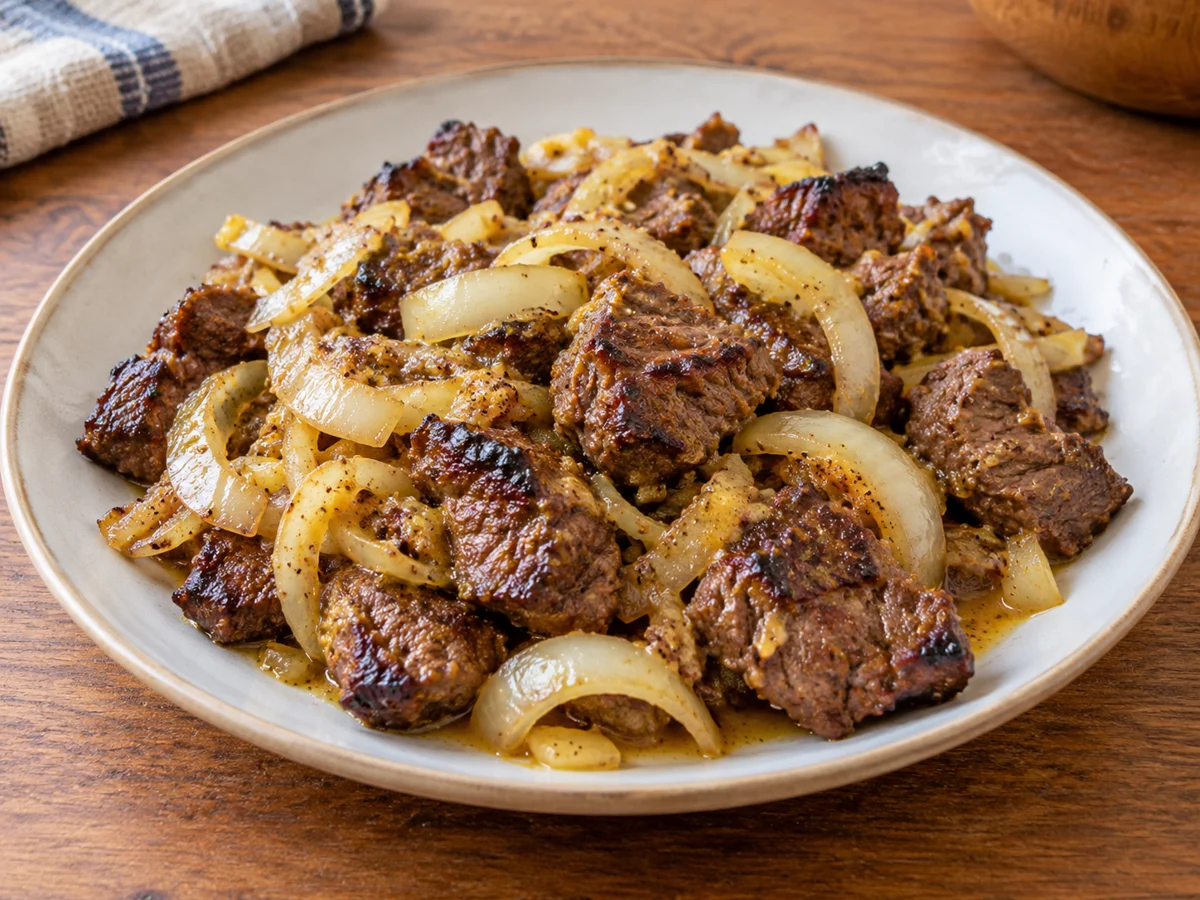
Afra is distinguished by its quick cooking on braziers, charcoal grills, with pieces cut on demand to ensure tenderness and juiciness. It is constantly turned with tongs to achieve a caramelized surface and a juicy interior. The pieces are served piping hot, placed on newspaper, in a basin, or on a mat, accompanied by a mixture of raw sliced onions, local mustard, mayonnaise, hot sauce (homemade chili), and sometimes lemon wedges. Place and Symbolism in African Cuisine
A SOCIAL AND IDENTITY-DEFINING DISH
Afra is the beating heart of post-work reunions, the convergence point for groups of friends, colleagues, families, or neighbors. Everyone serves themselves, cuts, dips into the sauce, and shares the same dish: the gesture is paramount, social bonds are woven with each bite. Festive, afra punctuates match nights, festivals, birthdays, weekends, and marks the beginning of the African night, where the city never sleeps.
In my books
Explore Senegalese cooking with Le Sénégal à table, my collection of 150 recipes, stories and traditions to share. This book is in French, by Alioune FALL.
Explore further
ADAPTABILITY AND CREATIVITY
Afra is also the emblem of urban food resilience: it improvises according to means, adapts any consumable piece, accommodates luxury as well as modesty. It can highlight noble cuts (sirloin, fillet), as well as often neglected offal that afra magnifies (liver, kidney, tail). On the coast, fish honorably replaces meat.
PAN-AFRICAN INFLUENCE AND DIASPORA
With population movements, afra has spread throughout Africa: in Ghana, you find "beef/khebab" or "suya" in Nigeria, alya in Ivory Coast, agasuké in Burkina, African shawarma in a quick grill version in large cities. European and American street food, via diasporas, adopts the afra style during community events.
VARIATIONS AND RELATED DISHES
SUYA (Nigeria, Cameroon) In Nigeria and Cameroon, suya is a similar variation: thin skewers of meat marinated in a mixture of pounded peanuts, spices, and chili, grilled and then sprinkled with onions and a spicy powder called yaji. CHICHINGA (Ghana), Nyama Choma (East Africa), Skewers From Ghana to Mali, from Kenya to Southern Africa, this simple and unifying principle is found everywhere: grilled meat, spicy sauce, accompanied by fresh vegetables or local starches (yam, cassava, rice, attiéké or bread).
ACCOMPANIMENTS AND DRINKS
Traditional Accompaniments Raw onions: Essential, dipped in the sauce with the piece of meat. Mustard and mayonnaise: Homemade or industrial, bringing richness and spice. Local bread, baguette, sandwich bread or tapalapa (Gambia/Senegal), sometimes flatbreads. French fries or plantain fries. Yams, attiéké (Ivorian cassava semolina), rice. Classic Drinks Local beers (Flag, Castel, Beaufort…). Lemonades, sugary sodas, local gin ("sangara"). Hibiscus (bissap), ginger, or tamarind juices for non-alcoholic options. Nutritional Value and Benefits
CONTRIBUTIONS
Afra is an excellent source of animal protein (20 to 28 g/100 g), iron (red meat and offal), zinc, B vitamins, and creatine. Onions provide fiber and antioxidants, mustard and chili stimulate digestion.
PRECAUTIONS
Charcoal cooking can generate potentially toxic substances (PAHs) if excessively burnt. It is advisable to alternate pieces, not to blacken the meat, eat very burnt parts in moderation, and balance the intake with vegetables or starches.
THE RITUAL AND THE CELEBRATION
Afra celebrates the "African night," relaxation, sharing, humor, and fraternity. There is no afra without laughter, without jokes about the size of the pieces or the degree of chili. Afra markets transform into neighborhood festivals, breaking urban solitude and restoring community ties sometimes eroded by modern lifestyles. AFRA AND WOMEN, NEW TRENDS While afra cooking is traditionally masculine, carried out by "braiseurs" (grillers), more and more women are taking it up. In large cities, luxury versions appear in restaurants, or mixed with grilled vegetables, tofu, or new sauces, adapting afra to healthy or vegan trends.
AFRA AND IDENTITY
Afra embodies hospitality, gourmet simplicity, and the taste for life. It weaves a thread between rural towns and metropolises, symbolizes effervescent urban Africa, its hopes, its youth, and its desire to gather around rituals that are both very ancient and profoundly contemporary.
CONCLUSION
Afra, in its simplicity and convivial strength, is much more than a grill: it is the memory of a pastoral continent, a manifesto for street food, a link between African yesterday and today. Smoked, spicy, effervescent, afra makes the heart of cities and villages vibrate, bringing together all generations around the fire, in the healthy joy of sharing and in the celebration of meat, gesture, and festivity.
ENJOY YOUR MEAL!
© Photo credit: recettesafricaines.com. All rights reserved.
In the kitchen : Afra
Recipes from the site to put your knowledge into practice:
Discover these cuisines at a restaurant
Explore our restaurant and caterer directories. Choose your destination and check the establishment’s menu to confirm which dishes are offered and available.
Continue exploring
Enjoy discovering ingredients and African cuisines? Join our newsletter. The illustrated PDF 10 sauces africaines incontournables is in French and is offered after confirming a subscription to the French or bilingual edition.