Bell Pepper
Central and South America
Understanding : Bell Pepper
INTRODUCTION
With its vibrant color palette, crisp texture, and mild or spicy flavor, the bell pepper brightens markets, is a daily guest in African cooking pots, and punctuates feasts and popular meals across the continent. Much more than a simple vegetable, it has become a culinary, economic, and cultural pillar in Africa, where it accompanies both modest dishes and great traditional delicacies. A symbol of joy and vitality, the bell pepper has established itself in African cuisines thanks to its versatility, exceptional nutritional qualities, and its ability to enhance flavors with its subtle or explosive aromas, depending on the variety. Through the discovery of this vegetable, the story of intercontinental exchanges, African creativity, and the continent's agro-food diversity is told.
Where to find it
Look for the exact food-grade form required by the recipe at markets and specialist shops. Check the product name, ingredients, condition and storage instructions.
Explore further: Cooking tips · Food hygiene and safety advice.
History and uses
BOTANICAL DESCRIPTION AND BELL PEPPER VARIETIES
The bell pepper, scientifically named Capsicum annuum, belongs to the large Solanaceae family, which also includes tomatoes, eggplants, and potatoes. It is an annual plant cultivated for its hollow fruits, called berries, which come in a multitude of shapes, colors, and sizes. The bell pepper fruit is fleshy, with a smooth and shiny skin. It can be elongated, triangular, quadrangular, or ovoid depending on the type. The most common colors are green, red, yellow, and orange, but purple, brown, white, or cream bell peppers can also be found in some markets. The most common varieties in Africa are: • Green bell pepper: picked before full maturity. Crispier, slightly bitter, often used in long cooking or as an aromatic base. • Red bell pepper: harvested at full maturity, it combines sweetness and fruity aroma. It is often preferred raw, roasted, or caramelized. • Yellow bell pepper: rarer in some regions, it is distinguished by its sweetness, crispness, and luminous color. • Local bell peppers: in many countries, African varieties adapted to the climate exist, smaller or pointed (sometimes confused with sweet peppers). The bell pepper should not be confused with the chili pepper, although both are of the genus Capsicum. In Africa, “bell pepper” generally refers to the sweet fruit; “chili pepper” is used for spicy varieties, but there can be confusion depending on local names (for example, “sweet pepper” in Cameroon versus “Antillean chili”).
ORIGINS, HISTORY, AND INTRODUCTION TO AFRICA
The bell pepper, like the chili pepper, originated in Central and South America. Its African history dates back to the 16th century, during the era of great explorations and food globalization. It was introduced by the Portuguese to their trading posts in Guinea, Mozambique, and the Gulf of Guinea, then spread north and east across the continent. In the 18th and 19th centuries, it became a common ingredient in royal gardens in Ethiopia, markets in the Maghreb, and Sudanese savannas. Thanks to its easy adaptation to tropical and subtropical climates, it naturally integrated into African agricultural systems, both in intensive cultivation and in family subsistence gardening. Today, bell peppers are produced on a small and large scale from Morocco to Madagascar, from Senegal to Mozambique, including Mali, Ghana, Kenya, and South Africa. It is among the most popular vegetables in local markets, prized for its freshness and colors. Economic and social role of bell peppers in Africa African market gardening has made bell peppers a key product: • Lucrative production: In many countries, bell peppers are grown for the domestic market, but also for export (Maghreb to Europe, East Africa to the Middle East). • Rural employment: Its cultivation generates jobs, especially for women. Many small farmers derive additional income from it. • Daily market: It enlivens daily markets with its abundance and seasonality, and contributes to food security. • Food education: In several nutritional programs (NGOs, schools), it is promoted for its rich vitamin content. Socially, its presence in shared dishes symbolizes the taste for conviviality, celebration, and sharing. The bell pepper in African cuisine: an aromatic and sensory pillar
- Aromatic base of traditional dishes In Africa, the “fond de marmite” (pot base) — the first step for the cook — very often combines bell pepper with onion, tomato, and garlic. This magical quartet is the base of dishes as varied as: • Senegalese thieboudienne: fish and rice, where bell pepper, blended or sliced, flavors the red sauce; • West African red sauces: an essential accompaniment to rice, millet, or yam; • Mafé: peanut sauce flavored with bell pepper; • Ivorian Kédjénou: stewed fish or chicken, flavored with bell pepper strips. In Central Africa (Gabon, Cameroon, Congo), bell pepper is used in “vegetable soups,” “nkui,” “ndolé,” and “mbongo tchobi,” where it balances the bitterness of leaves or roasted spices.
- Diversity of preparation methods The bell pepper lends itself to a multitude of culinary techniques: • Raw in salads: crunchy and sweet, it brings freshness and color to Moroccan summer “mixed salads” or Nigerian crudités. • Grilled or roasted: roasting enhances its sweet aromas, sublimates Maghrebi “shakshouka” or “stuffed bell peppers.” • Fried: to accompany skewers or garnish local sandwiches. • Blended or crushed: base for “red” sauces or “purées” spiced with chili, served with cassava or plantain. • Stuffed: a Mediterranean heritage, bell peppers garnished with meat, rice, or vegetables can be found in the markets of Algeria, Morocco, or Tunisia. • Stewed, candied, or dried: used to make “homemade condiments” (bell pepper puree, hot sauces).
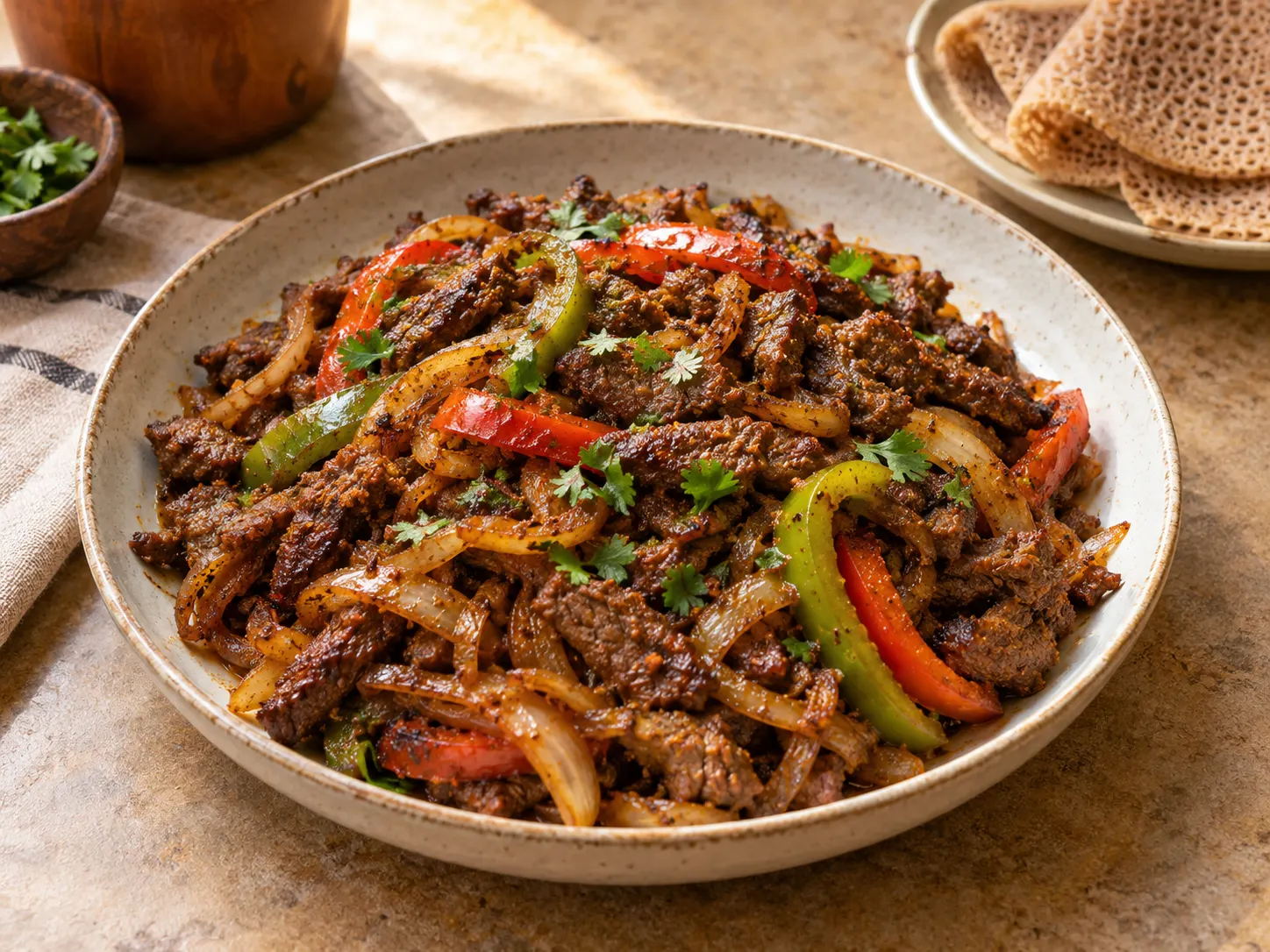
- Symbol of festivity and generosity The abundance of bell peppers cut into a festive dish is a sign of generous cooking! African cooks do not hesitate to use them to impress guests or enhance the sensory appearance of a dish. In Ethiopia, the red color of bell pepper is associated with joy and prosperity (as in berbere, a traditional spice blend). At wedding meals, baptisms, or major celebrations, mountains of bell peppers color the tables.
- Balance of flavors The bell pepper, with its sweetness, balances the heat of chili pepper, widely used in Africa. It brings natural sweetness, umami, and a pleasant creaminess to long sauces, stews, and even fish soups from Senegal or Ghana. Its presence makes dishes accessible to children and those sensitive to spiciness, promoting family sharing around the same pot.
In my books

Continue exploring the continent’s cuisines with Africa at the Table — 54 countries, 54 iconic dishes, by Alioune FALL. This book is in English.
Explore further
NUTRITIONAL ROLES AND HEALTH BENEFITS
The bell pepper is one of the vegetables richest in vitamin C: 100g of raw bell pepper covers almost 100% of the recommended daily intake. It also contains B vitamins, carotenoids (provitamin A), and flavonoids (powerful antioxidants). Its benefits are numerous: • Strengthening the immune system; • Fighting anemia (well-absorbed iron associated with vitamin C); • Prevention of cardiovascular and oxidative diseases; • Hydration (high water content: nearly 90%); • Low caloric intake: an ally for diets and dietary balance. Its low glycemic index and fiber content contribute to satiety and weight management.
SYMBOLISM AND TRADITIONAL USES
Beyond the table, the bell pepper sometimes has symbolic value: • In Algeria, bell peppers are attributed with fertility virtues (they appear in some dishes presented to newlyweds); • In sub-Saharan African villages, offering a brightly colored bell pepper is a sign of respect and friendship; • Some West African ethnic groups use bell pepper cooking water as a traditional tonic or refreshing drink. Anecdotes and customs • In North Africa, each family has its own “taktouka” (bell pepper and tomato puree) recipe, passed down from generation to generation. • In Cameroon, “bell pepper sauce” accompanies end-of-year celebrations. • In Nigeria, no festive Jollof Rice is complete without a base of blended red bell pepper. • East African farmers sometimes organize “giant bell pepper” competitions, the pride of villages during agricultural fairs.
CONCLUSION
Far from being insignificant, the bell pepper is at the heart of African food culture. A source of health, colors, and taste pleasures, it structures daily and festive cuisine, while constantly adapting to the creativity of cooks across the continent. It connects regions, tells stories of transmission, and punctuates the seasons from the market gardener to the market, from the pot to the family table. Integrating bell peppers into African cuisine means showcasing tradition and innovation, generosity and conviviality – all that makes the greatness of Africa's culinary heritage.
In the kitchen : Bell Pepper
Recipes from the site to put your knowledge into practice:
Discover these cuisines at a restaurant
Explore our restaurant and caterer directories. Choose your destination and check the establishment’s menu to confirm which dishes are offered and available.
Continue exploring
Enjoy discovering ingredients and African cuisines? Join our newsletter. The illustrated PDF 10 sauces africaines incontournables is in French and is offered after confirming a subscription to the French or bilingual edition.