Lime
Southeast Asia
Understanding : Lime
INTRODUCTION
At the mention of lime, images of colorful markets, chopped onions, and marinated fish flood the African imagination. A small fruit with smooth, shiny skin, intense fragrance, and a decidedly acidic flavor, lime—sometimes called “limon,” “citron bongo,” or “citron zena” in various African languages and dialects—holds a fundamental place on the continent, quite different from that of the Mediterranean yellow lemon. Its freshness, affordability, versatility, and immediate association with conviviality and celebration make it one of the flagship ingredients of African cuisine, from street food to banquets. By its apparent simplicity, lime has proven capable of enhancing the most modest fish dishes, adding zest to drinks, treating everyday ailments, and accompanying rituals, encounters, and family traditions. Behind every wedge of lime served on a plate or squeezed into a glass lies a deep agricultural, social, cultural, and sensory history.
Where to find it
Look for the exact food-grade form required by the recipe at markets and specialist shops. Check the product name, ingredients, condition and storage instructions.
Explore further: Cooking tips · Food hygiene and safety advice.
History and uses
BOTANY, ORIGINS, AND AFRICAN DIVERSITY
Botanical portrait Lime, Citrus aurantifolia (or Citrus latifolia for the less acidic Tahitian lime), belongs to the large family of citrus fruits. Smaller and rounder than the yellow lemon (Citrus limon), it is distinguished by: • thin, often shiny skin, green when ripe, • jucy flesh, with an acidic flavor, sometimes flavored with bitterness, • a more complex, herbaceous, floral fragrance, typical of the tropics. The plant, a shrub 2 to 5 meters tall, is particularly resistant to drought and thrives in well-drained, sandy soils, characteristic of many regions in Africa. Origins and spread Originating from Southeast Asia, lime has accompanied the great adventure of human and botanical exchanges: • Introduced to East Africa in antiquity, it followed the spice route and Arab trade. • In the Indian Ocean (Comoros, Madagascar), lime has been cultivated for over 1,000 years; on the Swahili coast, it has been present in recipes since the great trading cities of Zanzibar, Mombasa, or Kilwa. • Over the centuries, lime became widespread throughout tropical Africa, from West African port cities (Lomé, Abidjan, Lagos) to Central African markets (Yaoundé, Libreville, Kinshasa), and into rural households. It became essential in cuisine, traditional medicine, celebration, and the economy. Varietal diversity • “Acid” limes: small, very juicy, often with thin skin (Nigeria, Ivory Coast…). • “Tahitian” lime: larger, slightly less acidic (used in exotic African drinks, in the Sahel). • Local varieties: “bongo” lemons from Cameroon, small round limes with a spicy fragrance and slightly sweet zest in the Comoros and Madagascar.
ECONOMIC AND SOCIAL ROLE OF LIME
Agriculture and market Lime, easy to cultivate, thrives in home gardens, on the periphery of fields, in hedges, and in semi-intensive orchards: • Local production: almost every rural family owns one or more lime trees. • Urban markets: limes sold individually, in piles, or in full buckets. • Women's income: women often control the citrus trade, in markets or as street vendors. • Few inputs: lime cultivation is rustic, tolerates drought, and limits the use of pesticides and fertilizers. Sector and food systems • Artisanal processing: syrup, concentrated drink, brines, condiments. • Export: more marginal (mainly to Europe), but developing, especially “organic” limes. • Local industry: essential oils, perfumes, cosmetics, natural cleaning products.
SYMBOLISM AND RITUAL USES OF LIME
Lime has multiple symbolic and ritual functions: • Purification & Protection: in many African cultures, it is used to ward off the evil eye, clean homes, wash hands during funeral or healing rites (marabouts in Senegal, northern Cameroon, Ivory Coast). • Hospitality: offering lime water, bissap (a hibiscus drink), or iced lemonade is a sacred gesture of welcome. • Rite of passage: lime symbolically “cuts” hunger, thirst, disputes, ties with guests, or in negotiations. • Popular remedy: against fever, cough, fatigue, parasites — fresh juice, infused with ginger, kwashé (a traditional African herb), garlic, sometimes chili.
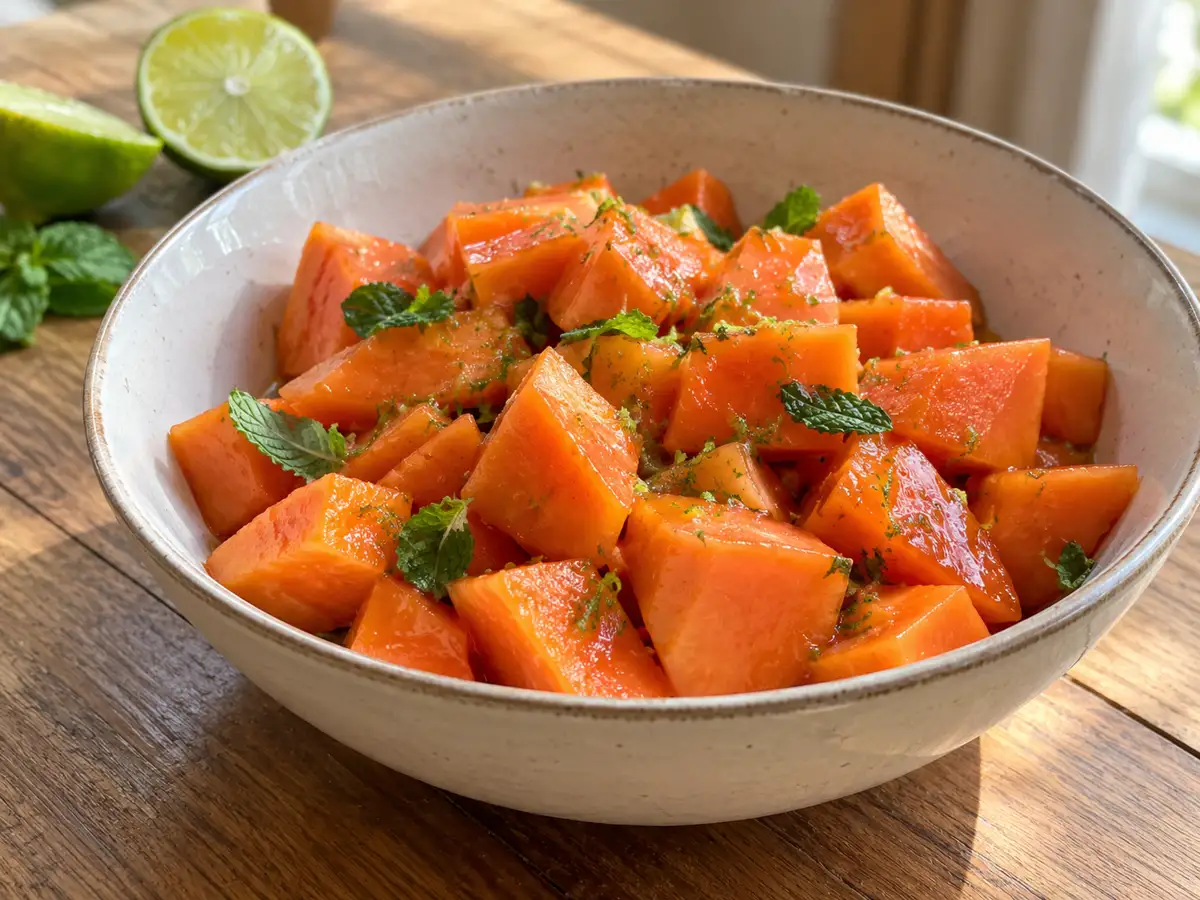
Lime, Poor Relation or Secret King of African Cuisine? An aromatic base and sensory foundation Lime is the base of many dishes: • Marinades: fish, chicken, meat, shrimp — the juice tenderizes, flavors, “cooks” (ceviche). • In salad dressings: green mango, avocado, tomato, cucumber, red onion; its freshness enhances every raw vegetable. • In chili sauces and condiments: lime balances the intensity of chili, softens tomato or onion, lightens fatty sauces. Emblematic African dishes • Senegalese Yassa (poultry, fish, beef): Lime is crucial in the onion, mustard, and garlic marinade. • Grilled fish (Ivory Coast, Ghana, Cameroon): Brushed with lime before grilling, served with a wedge in hand. • Thiéboudienne (Senegalese fish and rice dish): Lime reduces the strength of chili and balances marine flavors. • Kedjenou (Ivory Coast): Used to tenderize poultry before “stewed” cooking. • Nigerian Suya: Spicy kebab, the meat marinates in lime before being grilled. Street food and home cooking • Skewers: a squeeze of lime, essential. • Grilled corn, yam, or fried plantain: a squeeze of juice, sometimes a homemade lime-chili sauce. • Accras (fritters), pastels (fried turnovers), savory donuts: always served with a sauce or lime directly. • Fish or seafood “Lomé style”: always accompanied by lime wedges. Drinks and desserts • Lemonade: a mixture of lime juice, water, sugar, sometimes ginger or mint, a popular drink across the continent. • Bissap juice: lime enhances and stabilizes the acidity. • Smoothies and cocktails: mango-lime, pineapple-lime, ginger-lime drink. • Fruit salads: a dash of lime magnifies mango, watermelon, papaya, banana. • Sorbet or granita: very common in Ivory Coast, Senegal, and Central Africa.
In my books

Continue exploring the continent’s cuisines with Africa at the Table — 54 countries, 54 iconic dishes, by Alioune FALL. This book is in English.
Explore further
NUTRITION AND MEDICINAL VIRTUES
Lime, a concentrate of benefits, is: • Very rich in vitamin C (almost 30-40 mg/100g): fights scurvy, strengthens immunity (exploited by navigators and merchants since antiquity). • Source of flavonoids, antioxidants, calcium, potassium, iron. • Citric acid: facilitates digestion, stimulates the liver, purifies, reduces nausea. • Low caloric content: an ally for diets, glycemic control, appetite suppressant effect through salivary stimulation. • Antiseptic effect: juice used to clean utensils, hands, shellfish, superficial wounds. • Detoxifying: often recommended on an empty stomach with warm water in popular tradition. In many countries, lime is one of the first food-medicines offered to children or sick people.
TRANSMISSION, ECOLOGY, AND MODERNITY
Transmission Lime accompanies daily life, from childhood to adulthood: • Children learn very early to squeeze, zest, prepare drinks and marinades with the help of elders. • Young brides receive lime trees as trees of fertility and prosperity. Agroecological challenges • Low-input production: grows easily without intensive irrigation or fertilizers. • “Zero waste” valorization: zest in pastries, skin for perfumery, pulp for sauces, composted seeds, branches as fuel. Modern cuisine and diaspora African chefs and diasporic restaurateurs revisit lime: • Mango-lime mousse, lake fish ceviche, moringa vinaigrettes, signature cocktails, chili-lime lemonade syrups, lime-honey-ginger chicken, exotic crème brûlée. • Culinary fusion accelerator — it unites, lightens, connects international trends with African roots.
LIME, POWER AND POETRY
In oral literature as in daily use, lime is: • Symbol of freshness, purity, hope (it is sometimes said “When life is bitter, squeeze a lime”); • Emblem of the continent's diversity: each village, each region, each family has its variety, its ritual, its secret.
CONCLUSION
Lime, by its vigor, discretion, and versatility, is a sensory and social link in African cuisine. Whether it accompanies festive dishes or daily meals, soothes or revives palates, perfumes or heals, it embodies popular intelligence, the ingenuity of cooks, and the richness of African soils. It is one of the most powerful symbols of the gastronomic vitality of a continent both faithful to its traditions and resolutely turned towards innovation and modernity. Lime, much more than a simple citrus fruit, is a living heritage of Africa.
In the kitchen : Lime
Recipes from the site to put your knowledge into practice:
Discover these cuisines at a restaurant
Explore our restaurant and caterer directories. Choose your destination and check the establishment’s menu to confirm which dishes are offered and available.
Continue exploring
Enjoy discovering ingredients and African cuisines? Join our newsletter. The illustrated PDF 10 sauces africaines incontournables is in French and is offered after confirming a subscription to the French or bilingual edition.