Crab
African Continent
Understanding : Crab
INTRODUCTION
Among the crustaceans that inhabit the mangroves, estuaries, beaches, deltas, and reefs of Africa, the crab holds a special place. Belonging to a wide range of families (Portunidae — swimming crabs; Gecarcinidae — land crabs; Ocypodidae — fiddler crabs…), it stands out for its abundance, its adaptation to different environments, but above all for its subtle flavor and its ability to enhance African cuisine, from Senegal to Tanzania, from Madagascar to the Angolan coasts, from the Ivorian lagoons to the Cape Verde islands. While crab is a prized dish among fishermen, it has also become synonymous with popular feasts, refined restaurant dishes, and institutionalized heritage (sometimes even high-end African gastronomy or stylish street food). Between culinary traditions, fishing rituals, seasonal transmission, and modern innovations, the crab combines rusticity, creativity, and the pleasure of sharing.
Where to find it
Look for the exact food-grade form required by the recipe at markets and specialist shops. Check the product name, ingredients, condition and storage instructions.
Explore further: Cooking tips · Food hygiene and safety advice.
History and uses
1. DIVERSITY OF CRAB SPECIES CONSUMED IN AFRICA
• Mangrove crabs (Scylla serrata, Cardisoma armatum, etc.): present in the mangroves of West Africa (Nigeria, Gabon, Guinea, Ivory Coast, Senegal), East Africa (Kenya, Tanzania, Mozambique), and Central Africa; impressive size, generous flesh, highly sought after. • Swimming crabs (Portunus pelagicus, Portunus sanguinolentus…): in estuaries, bays, lagoons, smaller but with fine flesh. • Rock crabs and land crabs: collected on beaches (South Africa, Namibia, Cape Verde, Sao Tome, Comoros, Madagascar). • River crabs: more modest, prized in lake, stream, and swamp areas (Central, West Africa). • Fiddler crabs and ghost crabs: sometimes eaten locally or used in rituals or for simmering sauces. • Imported crabs: in urban areas, frozen crabs, caught offshore, enrich the gastronomic offer (restaurants, hotels). Their collection often relies on ancestral techniques: baskets, traps, hand fishing at low tide, bait in swamps, night hunting in mangroves.
2. ECONOMIC AND SOCIAL ROLE OF CRAB
• Source of income and survival: subsistence fishing, sale in urban or rural markets, export trade (Gabon, Senegal, Mozambique), female micro-entrepreneurship (mainly in West and East Africa). • Link with seasons: crab marks the food calendar – the “crab season” is a highlight of coastal festivals, abundant fishing during the heavy rainy season. • Mangrove preservation: demand for crabs motivates replanting campaigns or sustainable mangrove management to avoid overexploitation. • Accessible food: while shrimp or lobster remain “luxury” products, crab, being more accessible, feeds entire families, villages, and banquets, from popular to festive tables.
3. SYMBOLISM, RITUALS, AND TRADITIONS
• Fishing rituals and animist beliefs: In Swahili, Beninese, Cameroonian communities, the opening of the crab season is accompanied by rites to invoke the sea or the spirits of the mangrove; offerings of first crabs sacrificed on the beach, in the water, or to the mother goddess. • Crab festivals: Coastal festivals (in Casamance in Senegal, on Mozambican beaches, in Grand-Bassam in Ivory Coast) see crab celebrated everywhere with cooking competitions, dances, fishing competitions, or “crab races”. • Transmission of knowledge: catching, cooking, and “shelling” (breaking the shell, extracting the flesh) are often taught from childhood, long before learning to swim or fish. • Festive staging and hospitality: serving crab indicates “we made an effort”, “you are honored”, a festive dish at home or at a beach inn.
4. NUTRITIONAL VALUE
• Low in fat, lean, suitable for low-calorie diets. • Rich in protein, essential amino acids, easily assimilated. • Micronutrients: zinc, copper, selenium, calcium, iodine, phosphorus, vitamin B12, E, C; good for growth, recovery, brain, nervous system. • Low in cholesterol compared to red meats. • Source of omega-3 fatty acids. • Caution: in children or pregnant women, risk of allergy or (if poorly stored) marine contamination.
5. DIVERSITY OF CULINARY USES BY REGION
a) West Africa (Senegal, Guinea, Ivory Coast, Nigeria, Ghana, Benin, Togo)
- Crab soups (“soupe kandia”, “soupe crabe”) Whole or chopped crab, simmered in fish broth, onion, tomato, concentrate, spices, chili, okra or cassava leaves; served with rice, bread or yam, boiled plantain.
- Crab rice (“tiebou crabe”, “riz gras crabe”) Rice cooked in crab broth, tomato, root vegetables; crab split and added as garnish, flavored with bay leaf, ginger, lime.
- Sautéed crab (“yassa crabe”) Onion, lemon, chili marinade, crab grilled or fried before being simmered, then served over rice or attiéké (steamed grated cassava).
- Aloco crabe or cassava crabe Fried plantain or cassava chips with crab meat in spicy sauce, West African market. b) Central Africa (Gabon, DRC, Cameroon, Equatorial Guinea, Congo)
- “Ndolé crabe” (Cameroon) Bitter leaves (Vernonia), peanut paste, smoked crab, shrimp, dried fish, chili. A revisited Cameroonian national dish.
- “Crab with peanut sauce” Whole crab/legs, thick sauce of peanut paste, tomato, melon, cassava or sweet potato leaves, ginger.
- Mangrove crab broth Crab stew, herbs, vegetables, chili, red palm oil, served as a main dish or snack.
- Steamed or grilled crab Crab prepared steamed, on a stone, or in a banana leaf; typical of Gabon, Angola (hunting or beach dishes). c) Madagascar and Indian Ocean islands
- Lasary crabe Salad of crumbled crab, green mango, tomato, onion, cucumber, lemon, oil, herbs, chili.
- Varanga de crabe Steamed or sautéed crab, rice, brède (edible leafy greens), curdled milk, coconut sauce, mild curry.
- Cari crabe (Reunion, Mauritius, Seychelles) Crab simmered in tomato sauce, turmeric, ginger, chili, accompanied by rice, lentils or grains, “achards” (pickles). d) East Africa and Swahili
- Swahili crab curry Crab in coconut milk sauce, tomato, garlic, spices (cardamom, cinnamon, cloves), served with ugali (a stiff porridge made from cornmeal) or chapati (an unleavened flatbread), a refined dish from Mombasa, Dar es Salaam, Zanzibar.
- Wood-fired grilled crab Caught alive, simply grilled on the beach, dipped in a spicy oil mixture. e) Southern Africa
- Crab potjiekos (Namibia, South Africa) Stew simmered in a cast-iron pot: crab, vegetables, curry, lemon, potato, onion, rice, broth; a marriage of African and Dutch traditions.
- Stuffed crab Meat mixed with a stuffing of herbs, bread, garlic, egg, then replaced in the shell, grilled.
In my books

Continue exploring the continent’s cuisines with Africa at the Table — 54 countries, 54 iconic dishes, by Alioune FALL. This book is in English.
Explore further
6. STREET FOOD, MODERNITY, AND HAUTE GASTRONOMY
• Crab markets: grilled crab stands, “yassa” crab, crab fritters or patties, express soups to eat standing up, spicy crab sandwiches, crab-stuffed pastels (turnovers). • Restaurants: Crab brain, ravioli, terrines, breaded croquettes, tartares, ginger crab, salad bowls, fusion sushi. • New cuisine: crab and mango combinations, crab and avocado, low-temperature cooking; “coconut crab tartare”, “lemongrass crab”, “Spinach velouté, crab chips”.
7. CONTEMPORARY ISSUES
Ecology • Overexploitation and stock decline in some regions (poaching, pollution, mangrove destruction). • Sustainable fishing initiatives, mangrove replanting, seasonal quotas, women fishermen's associations for responsible management. Economic valorization • Revitalization of local sectors (women's cooperatives in Ivory Coast, Gabon). • Product diversification (canned goods, shelled meat, frozen, export). • Tourism gastronomy: hikes, safaris, crab festivals (festivals in Casamance, Grand-Bassam, Zanzibar…). Health and hygiene • Risks of storage, preservation, oil spills, pollution (bio-accumulation). • Awareness campaigns for proper cooking, avoiding dubious raw meats, recognition of non-toxic crabs.
CONCLUSION African crab is a century-old dish on the plate, a millennium-old presence in the landscape: it embodies the generous sea, the nourishing mangrove, the celebration of the fishing return, and the creativity of the cook. Between Senegalese “crab rice”, Swahili curry, Cameroonian ndolé, Malagasy cari, pikliz soup, and grilled dishes on the sand, it comes in a thousand recipes and inspires modernity. More than delicate flesh, it is a sign of hospitality, memory, and a marriage between nature and society. In every crab tasted, it is the Africa of the shores, islets, and deltas that pulsates, offered to gourmets of the continent and the world.
In the kitchen : Crab
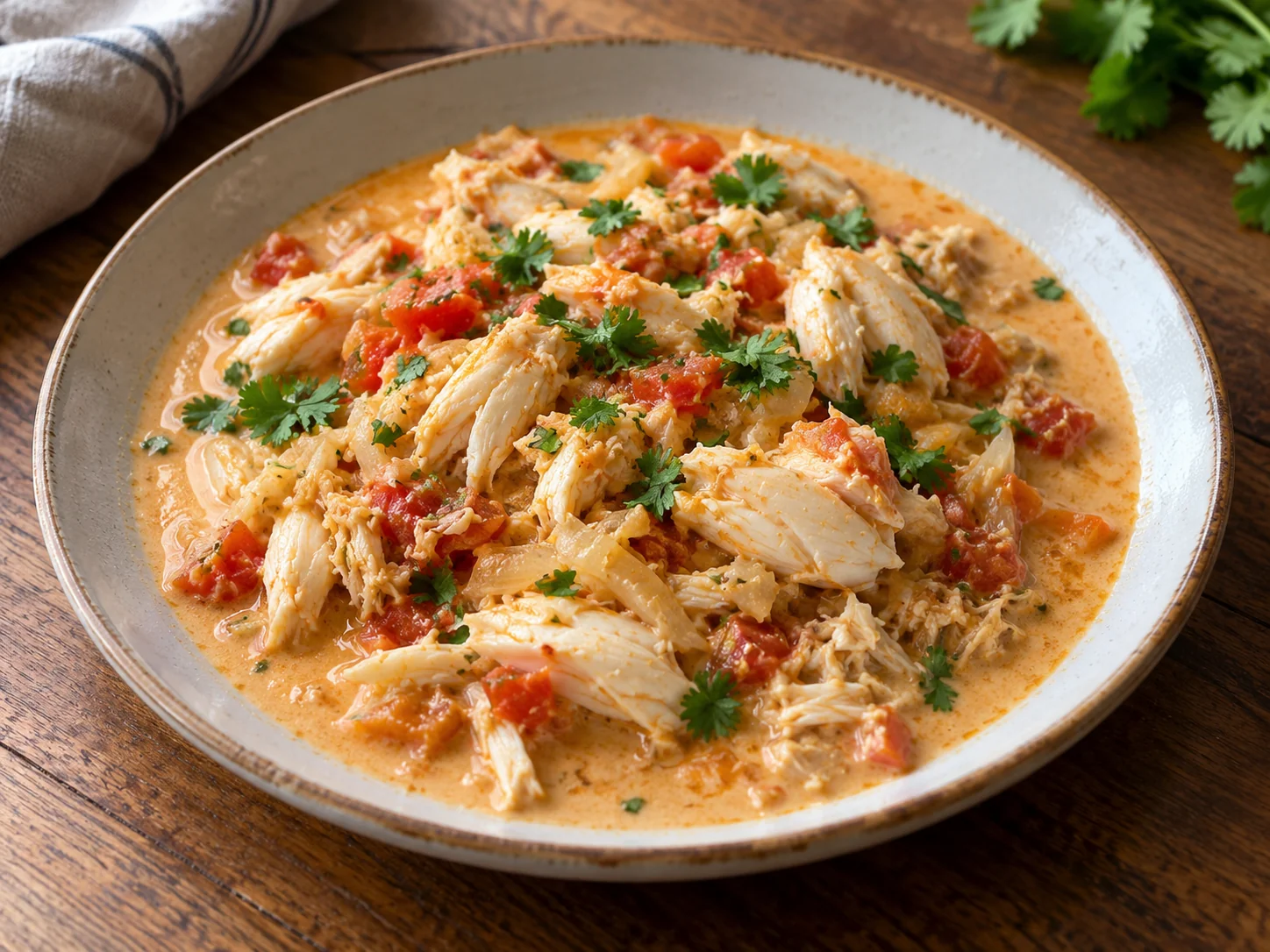
Recipes from the site to put your knowledge into practice:
Discover these cuisines at a restaurant
Explore our restaurant and caterer directories. Choose your destination and check the establishment’s menu to confirm which dishes are offered and available.
Continue exploring
Enjoy discovering ingredients and African cuisines? Join our newsletter. The illustrated PDF 10 sauces africaines incontournables is in French and is offered after confirming a subscription to the French or bilingual edition.