Dromedary (camel)
Sahara, Horn of Africa
Understanding : Dromedary (camel)
INTRODUCTION
The dromedary (Camelus dromedarius), or "Arabian camel," embodies the poetic power, extraordinary adaptation, and resilience of arid Africa. A majestic presence on the trails of the Sahara, the Sahel, the deserts of the Horn of Africa, and the eastern steppes, it is the "ship of the desert," the tutelary companion of the Tuareg, Fulani, Moors, Afar, Arabs, and dozens of other pastoral peoples. Beyond its vital role in nomadic societies (transport, milk, leather…), the dromedary is also a food source in its own right, although undervalued in the global imagination. Its meat, milk, and offal animate pastoral cuisines, festive feasts, and, now, the gastronomic revival in the capitals of North Africa and the Sahel. To perceive the dromedary's place in African cuisine is to delve into a centuries-old history of symbiosis between man and the desert: between survival, adaptation, ritual and celebration, between immutable tradition and modest contemporary innovations.
Where to find it
Look for the exact food-grade form required by the recipe at markets and specialist shops. Check the product name, ingredients, condition and storage instructions.
Explore further: Cooking tips · Food hygiene and safety advice.
History and uses
1. BIOLOGY, BREEDS, DISTRIBUTION AND ECOLOGICAL PLACE
Morphology and adaptation The dromedary, the only one-humped camel, is perfectly adapted to Saharan life: • It measures up to 2.2 meters at the shoulder, weighing between 400 and 600 kg. • Capable of traveling 50 to 70 km/day, it can endure days without drinking, stores water and lipids in its hump, regulates its temperature, digests dry grasses, thorny bushes, or even salt. • Its long limbs, arched neck, split lips for browsing thorns and leaves, its resistance to burning winds, and its nocturnal vision make it a marvel of living things. African breeds Saharan and Sahelian Africa and the Horn of Africa have an extraordinary diversity of local breeds, adapted to the regions, needs, and functions: • Mehari dromedary: fast, used for racing and prestige among the Tuareg. • Azir Iyalan (Sudan, Chad), Sahel dromedary, Sahara dromedary (Mauritania, Mali, Algeria). • Somali dromedary (Issa, Afar), breeds from northern Niger (Toubou, Kanembou). Ecological importance The dromedary shapes the desert landscapes: • Seed dispersal, fertilization by dung, adaptation to extensive grazing. • A key factor in pastoral survival in the face of desertification, drought, and scarcity of sources.
2. HISTORY AND SOCIO-ECONOMIC ROLE
History of domestication Originating in Arabia, domesticated more than 3500 years ago, the dromedary arrived in Africa via Egypt and Sudan, then spread to Libya, the Maghreb, Niger, Mali, Mauritania, Western Sahara, and the Horn. It replaced cattle in trans-Saharan caravans from the 3rd-9th century, becoming the key to the trade of salt, gold, slaves, dates, and knowledge. Economic role • Transport and mobility: caravan, portage, plowing in the oasis, sacks of wheat or salt, migratory movement for water and pasture. • Food source: meat (red and filling), milk (very nutritious), blood (especially in Sudan and Somalia), fat and offal. • Secondary product: skin (bags, waterskins, sandals, tents), hair (fabrics, ropes, carpets). • Social capital: dowry, tribal pride, currency of exchange, sacrificial animal, marker of dignity.
3. SYMBOLISM, RITES AND PLACE IN SOCIETY
Dromedary, totemic animal • Totem of patience, fidelity, strength; associated with peregrination, endurance, and divine blessing ("God created man for the earth, the dromedary for the desert," Tuareg proverb). • Sacrificial animal during major Muslim holidays (Eid al-Adha), weddings, healings, circumcisions, exorcisms. • Symbol of peace: offering a dromedary reconciles adversaries, closes the cycle of a conflict, seals a nuptial pact among many peoples (Tuareg, Afar marriage). • Transmission and heritage: the young boy learns to care for, guide, milk, and slaughter according to a precise ritual, often linked to an age promotion or a life success.
4. NUTRITIONAL VALUE (MEAT AND MILK)
Dromedary meat • Red meat, low in fat (1 to 3%), rich in protein (23%), heme iron, zinc, copper, phosphorus, vitamins B1, B2, B6, and B12. • Low cholesterol compared to beef or lamb. • Firm but fibrous texture, subtle taste, sweet "desert flavor" — more pronounced in older animals, more tender in young ones. • Offal: liver, heart, kidneys, fillet, hump (fat for cooking and frying), intestines, head (brain). Dromedary milk • Rich and digestible milk (more than 3% protein, 3.5% fat, vitamins C and B), drunk fresh, fermented ("lben, shubat, gariss"), sometimes mixed with herbs or dates to strengthen the sick, children, pregnant women.
In my books

Continue exploring the continent’s cuisines with Africa at the Table — 54 countries, 54 iconic dishes, by Alioune FALL. This book is in English.
Explore further
5. CULINARY USES BY REGIONS: DIVERSITY AND INNOVATIONS
a) Maghreb and Central Sahara
- Dromedary meat couscous: the meat stew (often from the hump, very tender), simmers for a long time with chickpeas, carrots, turnips, spices (turmeric, coriander, cumin, ras-el-hanout), olive oil, and tomato; served on semolina or with millet.
- Desert tagine: meat cooked in a pot with dates, prunes, almonds, cinnamon, honey or citrus, a specialty during wedding feasts or welcoming travelers.
- Dromedary mechoui: slow cooking on a spit or buried, large piece (shoulder, leg, hump pieces), enjoyed during festive nights, the return of transhumance, the Tabaski sacrifice.
- Dromedary skewers ("chwa"): marinated meat (garlic, pepper, cumin, olive oil, lemon) then grilled over fire; a successful Moroccan, Algerian, and Saharan street food dish. b) Sahel and Horn of Africa
- Dromedary stew ("marqa" in Chad, "marah salih" in Niger): diced meat, simmered with onion, tomato, garlic, chili, pepper, broth, accompanied by millet or foutou (cereal paste).
- Soups, broths, "harrira" with dromedary meat: a dish for the end of Ramadan, weddings, or to "reinvigorate" travelers.
- Offal dishes: grilled liver (often with kidneys, heart, spleen), served with mint, coriander, chili; pan-fried or grilled preparation, popular in markets or during festivities.
- Rice or millet pilaf with hump: the hump cut into pieces, melted and mixed with rice, millet or fonio, sometimes with chickpeas or fava beans. c) Horn of Africa, Egypt, Sudan, Somalia, Ethiopia
- Gored gored ("tibs" of dromedary): meat cut into cubes sautéed with onion, garlic, ginger, berbere (red spices), served with injera (Ethiopian flatbread).
- Surwa, curry or Sudanese stew: camel meat with curry, tomatoes, garlic, caraway, Nile spices, accompanied by kisra (millet flatbread) or rice.
- Suq-style grills: chopped heart, hump or fillet, seasoned with herbs, grilled on a skewer, sold in the markets of Djibouti, Hargeisa.
6. OFFAL, HUMP AND DERIVED PRODUCTS
• The hump, packed with fat, is fried or candied, used to flavor dishes, especially couscous, sauces, and stews – a symbol of prestige. • The liver: often served rare, accompanied by herbs and green chili. • Head and brain: consumed boiled or in pâté, a specialty of some popular markets in Morocco and the Sahara. • Hump oil: used in bread dough, sauces or as vegetable butter.
7. FESTIVALS, RITUALS, TRANSMISSION AND SHARING
• Eid al-Adha: the sacrifice of the dromedary is the culinary and ritual peak in societies practicing the Sunnah of the Prophet; the meat is shared with the poor, families, travelers, religious authorities. • Tuareg or Moorish weddings: a dromedary killed for the new wife guarantees abundance and protection of the household. • Transhumance vigil, end of Ramadan, blessed rain: the dromedary is invited to everyone's table, a marker of generosity. • Transmission of knowledge: learning ritual slaughter, butchering, preservation techniques (drying meat, salting for travel), cooking secrets (low temperature, long maceration…), passing from woman to daughter, from uncle to nephew.
8. MODERNITY, ECOLOGY, CONTEMPORARY GASTRONOMY
• Game gastronomy: dromedary fillets "steak tartare style," dromedary burger, "halal" charcuterie (saucisson, bresaola, kefta), present in innovative restaurants in Casablanca, Nouakchott, Algiers, Cairo, Niamey. • Culinary tourism: tasting at the bivouac, Saharan cooking workshops, inventive street food. • Export & short circuits: dromedary meat sector for the African diaspora in Europe, the Middle East, and Asia (frozen dishes, biltong, terrines). • Ecological issues: extensive farming with low emissions, structuring in the face of drought, a tool for rural and food resilience. • Public health: awareness of cooking (dromedary meat, like all game, must be cooked to eliminate parasitic risk).
CONCLUSION The dromedary, both myth and tangible resource, continues to support, nourish, inspire, and bring together African peoples in the desert – and beyond. Its meat, long scorned compared to classic meats, is establishing itself as a nutritional treasure, a memory of local traditions, a driver of responsible gastronomy, and a platform for "living together." Every pot of stew, ball of couscous, grilled skewer, every piece of hump shared under the tent, revives the deep history and sustainable future of desert Africa. Thus, the dromedary is much more than an animal: it is the key to a culture, a landscape, and an African identity in perpetual construction.
In the kitchen : Dromedary (camel)
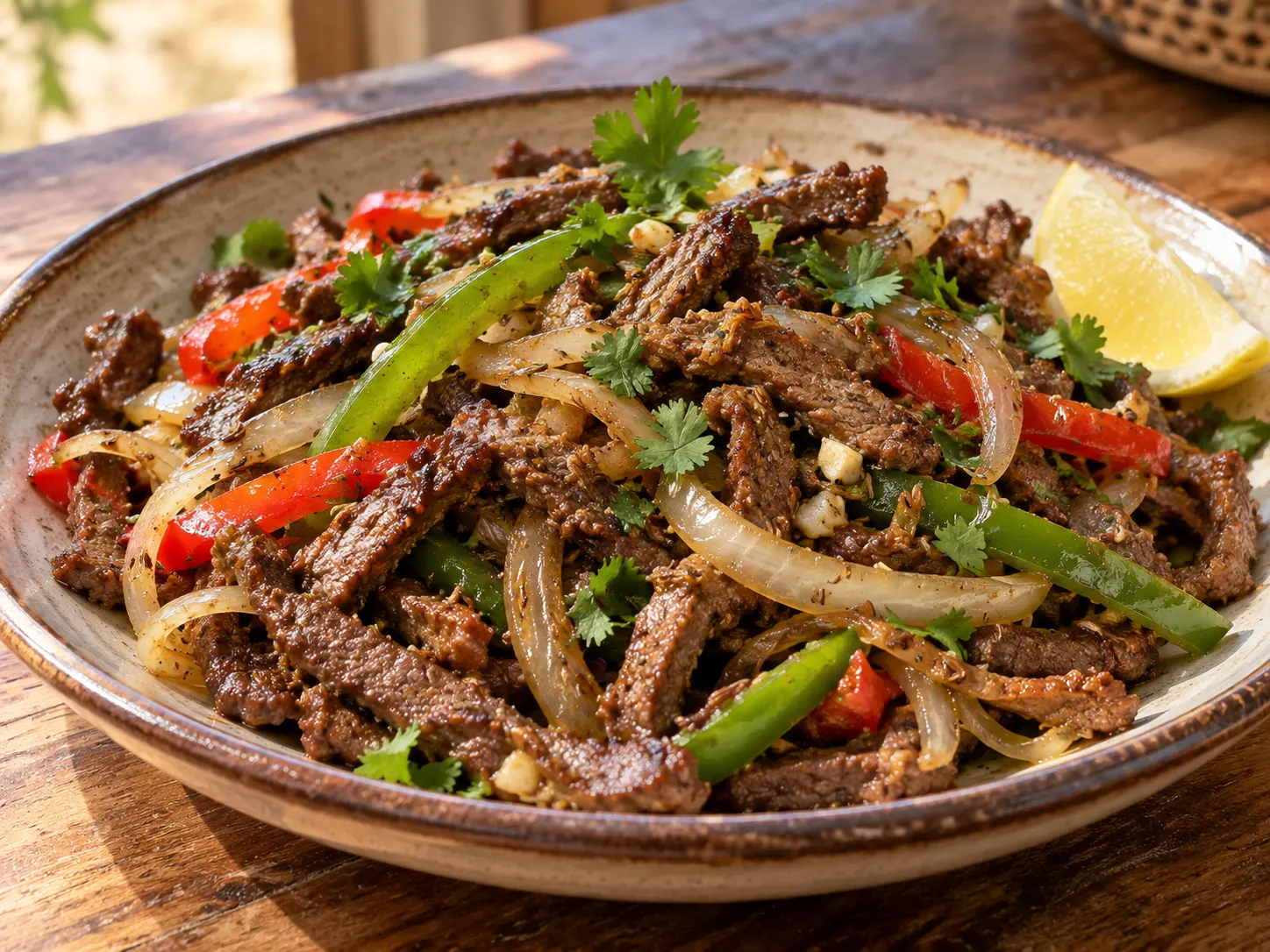
Recipes from the site to put your knowledge into practice:
Discover these cuisines at a restaurant
Explore our restaurant and caterer directories. Choose your destination and check the establishment’s menu to confirm which dishes are offered and available.
Continue exploring
Enjoy discovering ingredients and African cuisines? Join our newsletter. The illustrated PDF 10 sauces africaines incontournables is in French and is offered after confirming a subscription to the French or bilingual edition.