Vinegar
Universal
Understanding : Vinegar
Introduction
Vinegar, obtained by acetic fermentation of an alcoholic liquid, is one of humanity's oldest condiments. Present in all cultures, it is synonymous with domestic ingenuity as well as culinary creation. In Africa, vinegar is in turn a preservative, flavor enhancer, sanitary or medicinal ingredient, a support for rituals and even, in some contexts, a symbol of regional culinary identity. Long made traditionally from fruits, cereals, sugar cane or palm wine, today enriched by industrial or imported products (wine, cider, alcohol, balsamic vinegars, etc.), African vinegar appears at the crossroads of local tradition and global innovation. It permeates popular cuisine, street food, festive gastronomy, family health, food preservation and spiritual practices. Let's analyze in detail its origins, diversity, uses, symbolism and its place in the African table of yesterday and today.
Where to find it
Look for the exact food-grade form required by the recipe at markets and specialist shops. Check the product name, ingredients, condition and storage instructions.
Explore further: Cooking tips · Food hygiene and safety advice.
Search Amazon.fr — affiliate link →
Check availability and delivery on Amazon.fr. Compare ingredients, packaging and sellers.
As an Amazon Associate I earn from qualifying purchases.
History and uses
1. History and origins of vinegar in Africa
1.1. The ancient heritage: fermentation, resource and discovery The discovery of vinegar dates back to time immemorial, often “by chance”: any alcoholic liquid left in the open air eventually turns “sour” (acetic acid), thanks to the work of natural bacteria. Over generations, Africans from ancient Egypt, the Maghreb, Sahelian regions, savannas and the periphery of the Indian Ocean mastered the domestication of the process to preserve and enhance food. Thus, the peoples of the Maghreb developed wine and date vinegars, while in sub-Saharan regions, vinegars were obtained from the fermentation of palm wine, millet, corn or various local fruits (mango, tamarind, baobab, pineapple, etc.), sometimes by simple “happy” oversight of a sugary drink. 1.2. Vinegar, a witness to exchanges and cross-breeding • Greeks, Romans and Arabs spread the art of vinegar throughout the north of the continent (Egypt, Libya, Maghreb), where wine and grape cultivation has been present for millennia. • Portuguese, Spanish or French colonization gradually introduced commercial vinegar (wine, white alcohol, cider, etc.) into Black Africa and coastal areas. • Indian, Creole and Asian influences, via the Indian Ocean, brought traditions of cane or rice vinegars, enriching the African palette.
2. Production and diversity of African vinegars
2.1. Traditional and family production Traditionally, African vinegar can be obtained in several ways: • Alcoholic then acetic fermentation of sugary liquids: beginning of the process (transformation of sugar into alcohol by natural yeasts, then alcohol into acetic acid by acetic bacteria, often of the Acetobacter genus). • Ingredients: palm wine (fermented sap of the palm tree), date wine, mead, honey, residues of millet or sorghum beer, ripe tropical fruits (broken pineapple, crushed mango, soaked tamarind, cashew apple, etc.). • Spontaneous fermentation: in terracotta or unvarnished wooden jars or calabashes, sometimes “seeded” with an old “mother of vinegar”, left in the open air. This traditional, unfiltered vinegar has adjustable acidity, terroir aromas, a richness in minerals and probiotics, but also variability depending on the seasons. 2.2. Industrialization and importation From the end of the 19th century and massively during the 20th, industrial vinegars were marketed throughout the continent. These include: • Wine vinegar (“red” or “white” appellations), dominant in the Maghreb, Egypt, in cities. • Alcohol vinegar (white vinegar), produced from cane or grain alcohol, the most common in urban African supermarkets. • Cider vinegar, imported or produced locally in apple farming areas (Maghreb, Kabylia, South Africa). • Balsamic vinegar: recently appeared for “modern” sauces, salads, urban gastronomy. 2.3. “Homemade” vinegars with spices and herbs Many families enrich their vinegar with chili peppers, garlic cloves, wild berries, fresh herbs (mint, basil, coriander), or even dried fruits, to obtain powerful condiments that enhance tables and grilled dishes.
3. Place and uses in African cuisine
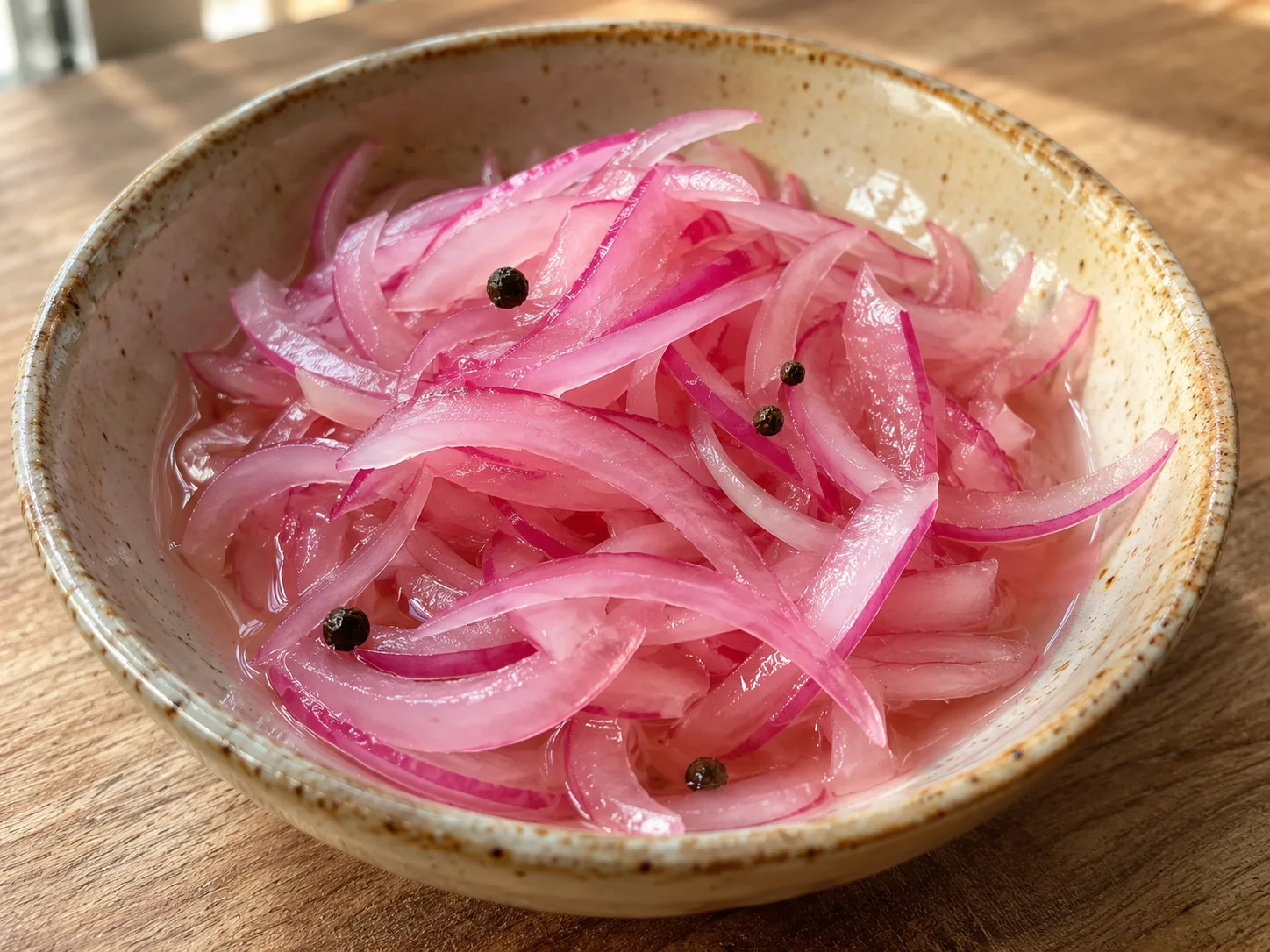
3.1. Technical and culinary role of vinegar Vinegar is involved in three major areas: a) Preservation (pickles, lacto-fermentation, achards) • Achar (a type of South Asian pickle), atchad (a type of South Asian pickle), pickles, chutneys: vegetables or fruits marinated in vinegar, spices and salt, to accompany curries (Southern Africa, Mauritius, Madagascar), fish dishes (Maghreb, West Africa), or serve as emergency vegetables in the dry season. • Widely used in rural families to preserve chili peppers, small onions, carrots, candied lemons, eggplants or green mangoes. • Ritual of transmission: the “pot of pickles” or achard, jealously guarded or offered as a gift during major family events. b) Marinade and tenderizing • Vinegar is used in multiple meat or fish marinades: Ivorian or Cameroonian grilled chicken, grilled fish, skewers, meat pâtés, barbecue. • Mixed with spices (chili, garlic, ginger, mustard, onions, Maggi cubes), it tenderizes the meat, flavors, and protects against contamination. c) Raw seasoning and sauces • African salads: tomatoes, onions, “vinaigrette sauce” with vinegar, peanut or olive oil, chili, sometimes sugar or grated green mango (very consumed in hot weather). • Hot sauces: vinegar added at the end of cooking certain national dishes to enhance “leaf sauce”, tomato sauce, Senegalese yassa (chicken with lemon, onion and vinegar), Tunisian seafood marinade, South African chili sauce. • Chili sauce: throughout Africa, vinegar is the base of countless spicy sauces (“pili-pili”, “sauce chien” (a spicy Cameroonian sauce), “ata din din” (a spicy Nigerian stew), etc.): it provides acidity, preserves and mitigates the aggressiveness of the chili. 3.2. Drinks and infusions In some regions, diluted fruit vinegar is used as an “energizing” or “refreshing” drink (diluted in water, sometimes with honey or ginger).
In my books

Continue exploring the continent’s cuisines with Africa at the Table — 54 countries, 54 iconic dishes, by Alioune FALL. This book is in English.
Explore further
4. Symbolism, spirituality, medicine
4.1. From sanitation to purification • Vinegar is renowned for its purifying properties: it cleans cutting boards, washes fruits and vegetables, disinfects hands (especially during cholera or flu season). • It is used in certain purification rituals (cleaning houses, body purification, special baths among healers or marabouts). • A series of African proverbs about “the acidity that awakens”, “the vinegar that dissolves disputes”, etc. 4.2. Household medicine • Traditionally prescribed to “break a fever”, relieve sore throats (gargle), alleviate fatigue (friction), soothe insect bites. • Used to combat diabetes, promote digestion, cleanse the liver (in moderation), in traditional medicine.
5. Economic and social place
5.1. Domestic or industrial vinegar • Family self-production (especially rural) coexists with an urban market dominated by industrial vinegar, often imported. • Micro-economy: production of artisanal vinegars by women, sold by the liter or by measure in markets. 5.2. Role in street food and catering • Essential in grilled fish stands, skewers, “grill” butcher shops (marinade, seasoning, dip). • Reference in fast food: vinaigrette sauce for attiéké (a cassava-based dish from Ivory Coast), gari (a cassava flour from Benin, Togo), African kebab, street sandwich, raw vegetable salad, samosa, accras (a type of fritter).
6. Modernity, diversity and contemporary challenges
6.1. Contemporary gastronomy and innovation • Urban African chefs revisit traditional vinegars: balsamic reduction of bissap (hibiscus flower), wild mango vinegar, spice vinegars, “living” fermented vinegars. • Influence on the diaspora: increased use in Afro-European and Afro-American catering (fresh salads, creative dressings). 6.2. Biodiversity, health and ethics • Awareness of the risks associated with overly acidic or diluted industrial vinegars (impact on tooth enamel, on intestinal flora in case of excess). • Return to natural, harmless products, recycling fruit surpluses and contributing to the circular economy and food resilience.
7. Transmission, heritage and future
• Recipes for homemade vinegar, pickled preserves, achards and chili sauces are passed down from mother to daughter, in writing or orally, during celebrations or initiations. • Contemporary challenges lie in valuing local fermentation, transmitting gestures, standardizing the product without standardizing the taste, and educating for reasoned use.
Conclusion Vinegar, discreet but essential, runs through African cuisine like a line of acid and life, connecting yesterday's necessity to today's vitality. Versatile, unifying, a vector of health, a tool of memory and innovation, it honors the table, preservation, sharing, African ingenuity and creativity. Preserving its heritage, its gestures and its power to invent, is to guarantee the living and festive soul of modern African gastronomy.
In the kitchen : Vinegar
Recipes from the site to put your knowledge into practice:
Discover these cuisines at a restaurant
Explore our restaurant and caterer directories. Choose your destination and check the establishment’s menu to confirm which dishes are offered and available.
Continue exploring
Enjoy discovering ingredients and African cuisines? Join our newsletter. The illustrated PDF 10 sauces africaines incontournables is in French and is offered after confirming a subscription to the French or bilingual edition.