Radish
Asia (China, India)
Understanding : Radish
Introduction
The radish (Raphanus sativus), a humble root of modest appearance but with a lively and refreshing taste, occupies a place that is both discreet and surprising in African cuisine. Often associated with Mediterranean and European vegetation, it has crossed seas, trade routes, and migrations to integrate into agricultural practices, markets, festive dishes, and the daily diet of multiple regions of the continent. Crunchy, colorful, and undemanding, the radish has adapted to a great diversity of African terroirs, from the Nile Valley to Berber oases, from North African coastal cities to the market gardens of sub-Saharan metropolises. While its consumption was once restricted to urban communities, innovative rural areas, or those under colonial influence, today it is experiencing a revival thanks to the return of organic markets, the quest for freshness in cities, modern “street food,” and the creativity of urban African youth. Whether in salads, as a condiment, in fusion cuisine, or as a healthy ingredient, the radish is now very real in the African culinary ecosystem. Let's explore its history, production methods, culinary uses, virtues, and cultural dimensions.
1. Origins, propagation, and botany
1.1. A vegetable from elsewhere, well-acclimatized Originating from Asia (China, India) and the Mediterranean basin, the radish was domesticated more than 4,000 years ago. Its propagation in Africa occurred in several waves: • Nile Valley and Eastern Mediterranean: already cultivated in ancient Egypt (where radishes and oil seeds were consumed by pyramid builders). • North Africa: the radish accompanied the rise of Roman agriculture, developing in oases, workers' gardens, and cities of Roman Africa (present-day Libya, Tunisia, Algeria, Morocco, Egypt). • Southern and Eastern Africa: introduced more recently via European colonization and commercial export agriculture. • Sub-Saharan Africa: initially reserved for colonial market gardeners, it gradually integrated into urban market offerings, then among innovative farmers and family gardens. 1.2. Botanical diversity The African radish is not unique but encompasses several subspecies: • Round red radish or “of all months”: small size, white flesh, pink to red skin. • Long radish “of 18 days”: thin, elongated, pink root, tender flesh. • White radish or “daikon”: long, cylindrical, milder taste (cultivated in islands, Madagascar, Kenya, Egypt). • Wild radish: in some regions, “bush” radishes (Raphanus raphanistrum) are harvested for their leaves or pungent young roots. Its adaptability explains its presence from the south of the Atlas to the high plateaus of East Africa.
2. Agriculture, cycle, and economic importance
2.1. Ease of cultivation • Short cycle (20 to 30 days): sown directly, harvested quickly, even on small areas: ideal for vegetable gardens, urban micro-farms, school or social gardens. • Tolerance: resistant to moderate drought, grows in winter as well as in spring or cool season (Maghreb, Eastern high plateaus, Southern Africa). • Few diseases, attracts certain harmful insects, thus deterring other pests from neighboring crops (natural trap). 2.2. Place in markets and local economy • Neighborhood markets, large cities (Casablanca, Tunis, Algiers, Lomé, Abidjan, Dakar, Antananarivo, Nairobi, Cairo, Addis Ababa, Johannesburg). • Often sold in bunches, associated with other raw vegetables, aromatic herbs; source of small income for women and young market gardeners. • Can be consumed all year round, reducing dependence on imported fresh vegetables out of season.
3. Place and uses of radish in African cuisine
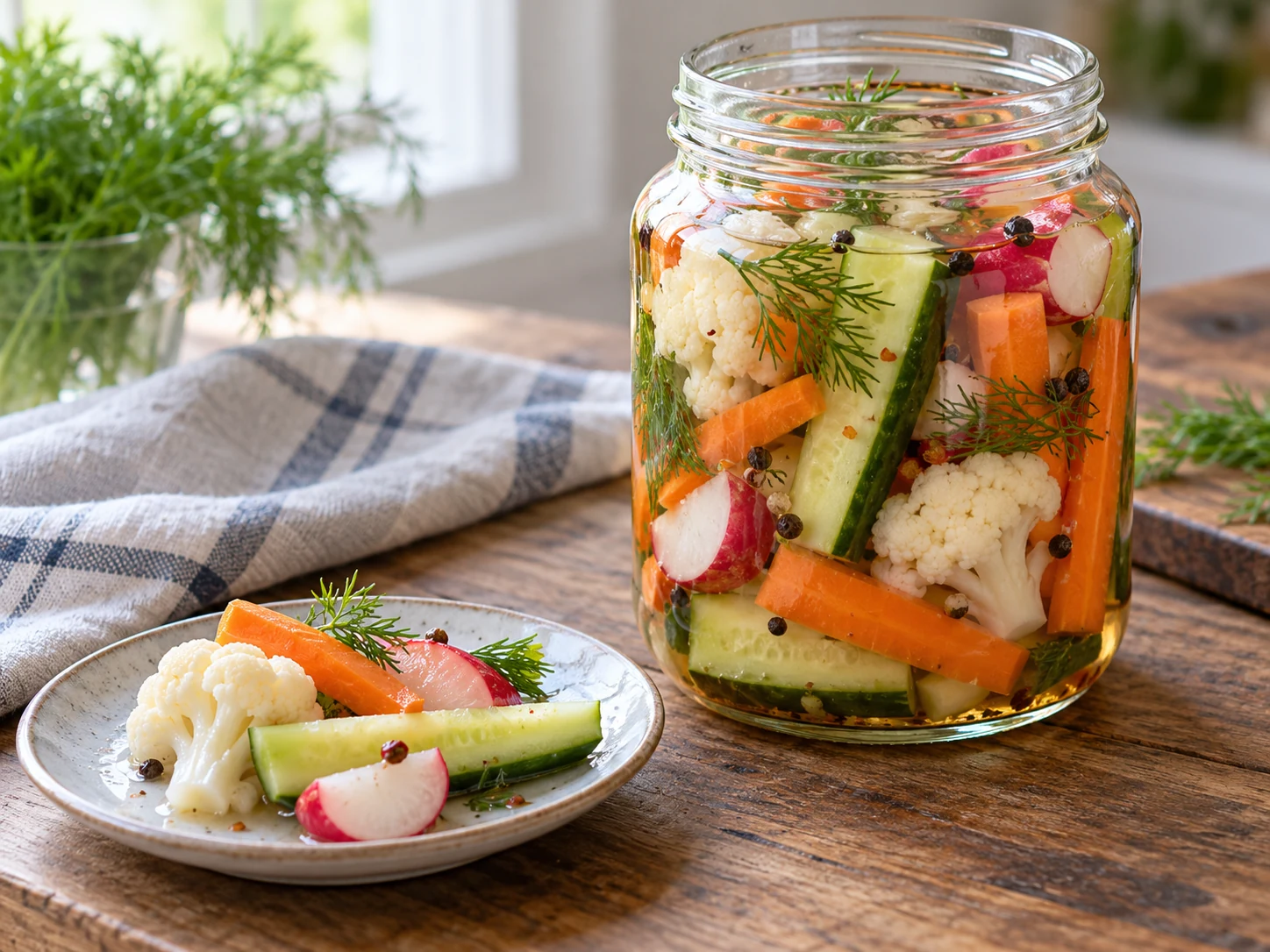
3.1. North Africa: the kingdom of fresh radish • Méchouia, tchakchouka, slata baladi salads: radish in thin slices, combined with tomato, cucumber, onion, olives, olive oil, cumin, and mint. • Breakfast and “iftar” (breaking of the fast): radish served with bread, olive oil, fresh cheese, but also dates and olives; on all appetizer platters. • “Homemade” garnish: in popular restaurants, a plate of radish, grated carrots, cucumber, preserved lemons, harissa to “open the appetite.” • Sandwiches, briks, and batbouts: grated or sliced radish, condiment for kebab, panini, fusion sandwiches. 3.2. West, Central, and Southern Africa: from market to urban plate • Radish, carrot, cucumber salad: offered in modern restaurants, at weddings, hotel buffets, urban brunches. • Street-food topping: julienned or grated radish, on shawarma, skewers, grilled fish, African tacos, burgers, and wraps in the style of Lagos, Dakar, Abidjan, Accra, Douala. • Accompaniment to spicy dishes: the crunch of radish tempers the heat of chili; it is intentionally mixed with spicy sauces, or served to “refresh” the palate between two spicy bites. • Pickles and preserves: radish preserved in vinegar, herbs, garlic, ginger, green mango – Indian, Maghrebi, Creole influence (Mauritius, Reunion, Madagascar). 3.3. East Africa and Indian Ocean islands • Swahili and Creole salads: grated radish, coriander, lemon, carrot, used at weddings, in hotels and restaurants, accompanying fritters, pilau, grilled fish. • Sambos and African spring rolls: fresh vegetable stuffing where radish provides crunch and freshness. • Stews, curries, “Rougail radis” (radish stew): radish quickly simmered in tomato sauce and spices, a quick Creole dish in Mauritius or Madagascar. 3.4. Radish leaves: a revalued “forgotten vegetable” • Peasant soups, brèdes (leafy greens), accras (fritters): radish leaves washed, braised with garlic and oil, mixed with other wild herbs: highly prized in areas where famine is fought or healthy eating is prioritized, in Morocco, Mauritius, Madagascar, Cameroon. • Radish leaf omelet: an inexpensive family recipe, rich in vitamins, fiber, iron.
4. Nutritional value and health benefits
4.1. Nutritional intake • Rich in vitamins C, B9, B6, minerals (potassium, calcium, phosphorus, iodine, magnesium). • Abundant fiber, promotes satiety, good digestion, fights constipation. • Low in calories (20 kcal/100g), fat-free, low in sugar: ideal for “detox” diets, infant and senior diets. 4.2. Traditional medicinal properties • Diuretic and depurative effect: recommended in North African peasant herbal teas, to cleanse kidneys and liver. • Relieves digestive disorders, strengthens the immune system thanks to vitamin C. • Regular consumption (with leaves): prevents anemia, strengthens teeth, nails, hair. • Radish extract or crushed leaves against bites and infections in folk medicine (Maghreb, East Africa).
5. Symbolism, culture, and transmission
5.1. Fruit of sharing, spring, and vitality • In the Maghreb and Egypt, radish is synonymous with the end of winter, with renewal. Offering bouquets of radishes to a neighbor, a bride, or a child who succeeds in a school stage, is considered good luck. • In some villages, radishes are planted at the beginning of the agricultural year to “attract luck” and celebrate the vitality of the garden. • At traditional festivals (Eid, weddings), and during Ramadan, it appears on all tables as a reminder of new life. 5.2. Transmission • Grandmothers teach how to transplant, thin, harvest radishes, prepare “singing salads,” and cook the leaves. • Young market gardeners innovate, creating mini organic orchards, offering colorful radishes, long radishes, white radishes, to meet urban and gastronomic demand.
6. Modernity, innovation, and contemporary challenges
6.1. Fusion cuisine and urban gastronomy • Young African chefs showcase radish in carpaccio, homemade pickles, crispy chips, paired with avocado toast, quinoa, vegan or gluten-free dishes. • Radish serves as a condiment in the new wave of salad bars in Lagos, Nairobi, or Casablanca. • It becomes a “star” on social networks via colorful plates, Sunday brunches, TikTok recipes from Africa. 6.2. Urban food security and nutrition challenges • Its rapid cycle and low cost help strengthen food sovereignty in cities, fighting against “junk food.” • Growing industrial valorization: organic chips, pickles, pink radish jam. • Radish plays a central role in “school garden” policies and urban market gardening for street children or disadvantaged neighborhoods. 6.3. Ecological challenges • Soil “cleaning” plant, used in crop rotation to fight pests and diseases. • Promotes sustainable agriculture, low in water and chemical consumption.
Conclusion The radish, though once a simple import, is now fully African: it brings freshness, vigor, and simplicity to plates, diversity to markets, health to the pot, while embodying the continent's modernity and gastronomic resilience. It connects the African land to Mediterranean heritage, rurality to cities, tradition to the “healthy” cuisine of new generations. Preserving, valuing, and transmitting the culture of radish, from seeds to leaves, is to guarantee African cuisine a pungent note of vitality, creativity, and adaptability to better meet the challenges of nutrition, ecology, and future gastronomic innovation.
Where to find it
Look for the exact food-grade form required by the recipe at markets and specialist shops. Check the product name, ingredients, condition and storage instructions.
Explore further: Cooking tips · Food hygiene and safety advice.
In my books

Continue exploring the continent’s cuisines with Africa at the Table — 54 countries, 54 iconic dishes, by Alioune FALL. This book is in English.
In the kitchen : Radish
Recipes from the site to put your knowledge into practice:
Discover these cuisines at a restaurant
Explore our restaurant and caterer directories. Choose your destination and check the establishment’s menu to confirm which dishes are offered and available.
Continue exploring
Enjoy discovering ingredients and African cuisines? Join our newsletter. The illustrated PDF 10 sauces africaines incontournables is in French and is offered after confirming a subscription to the French or bilingual edition.