Chickpea
Fertile Crescent
Understanding : Chickpea
Introduction
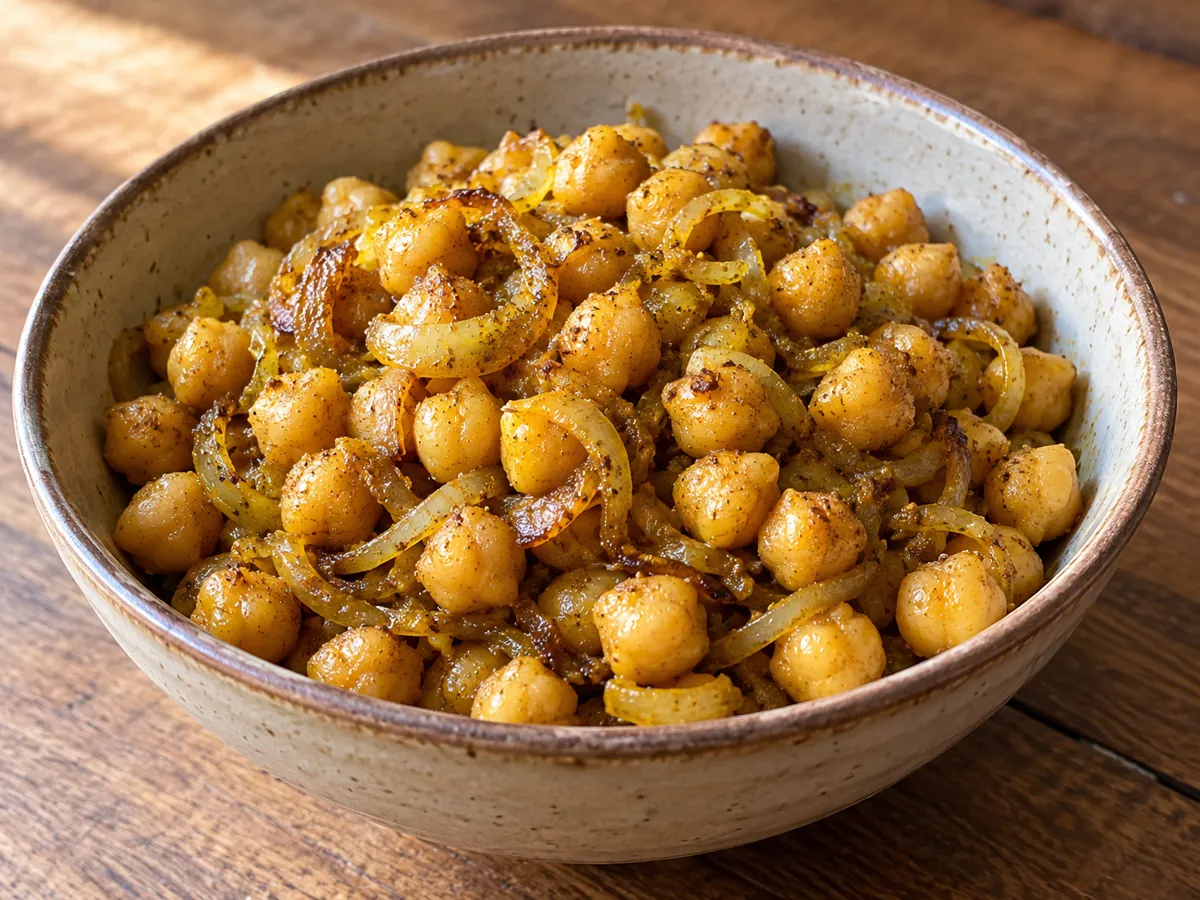
The chickpea (Cicer arietinum) is one of the oldest cultivated legumes, a symbol of frugality, conviviality, strength, and culinary creativity around the Mediterranean basin. Present for millennia in North Africa and Egypt, widely spread in sub-Saharan Africa via trade routes, diasporas, and modern influences, it has found a lasting and growing place in the pot, stew, street food, feast, and contemporary cuisine of dozens of African peoples. Behind its beige shell, its subtle nutty taste, and its buttery texture, the chickpea carries stories: encounters, exchanges, integration into religious festivals, a vector of vegetarian innovation, or a solution against food insecurity. It is both daily and festive, rural and urban, traditional and very trendy. Here is an in-depth exploration of its trajectory, identity, and influence in African cuisine.
Where to find it
Look for the exact food-grade form required by the recipe at markets and specialist shops. Check the product name, ingredients, condition and storage instructions.
Explore further: Cooking tips · Food hygiene and safety advice.
Search Amazon.fr — affiliate link →
Check availability and delivery on Amazon.fr. Compare ingredients, packaging and sellers.
As an Amazon Associate I earn from qualifying purchases.
History and uses
1. Origins, history, routes, and adaptation in Africa
1.1. From the Ancient East to Mediterranean Africa The chickpea was domesticated more than 8,000 years ago in the Fertile Crescent, the cradle of agriculture, encompassing Mesopotamia, Persia, the Levant, and Egypt. It was quickly consumed by Egyptians, Romans, Berbers, Jews, Arabs, and then by all the peoples of North Africa throughout antiquity. It spread to North Africa (Morocco, Algeria, Tunisia, Libya, Egypt), thanks to climatic proximity and cultural exchanges, becoming a basic ingredient of couscous, soups, and Ramadan dishes. 1.2. Spread to sub-Saharan Africa and the Indian Ocean Through trans-Saharan and caravan routes, and thanks to diasporas (Jewish, Arab, Indian, Mediterranean), the chickpea gradually penetrated West African, Sahelian, Ethiopian, Swahili, and Malagasy cuisines, as far as Southern and Central Africa. Integration accelerated with colonization, the introduction of new agricultural species, and, more recently, a rising demand for plant proteins, healthy cooking, and culinary fusion.
2. Botany, climate, and agricultural adaptation
2.1. Botanical portrait • Annual, bushy legume, 20 to 50 cm high. • Two main types: “Kabuli” chickpea (large grains, beige, very common in the Maghreb and modern varieties), and “Desi” (smaller, brown or green, traditional in India and East Africa). • Adapts to semi-arid climates, light to medium soils, likes heat but fears excessive humidity: an asset for Mediterranean, Sahelian regions, high plateaus of East and Southern Africa. 2.2. Producing countries and African sector • Morocco, Algeria, Tunisia, Egypt: largest producers on the continent, well-structured sector, sown in autumn/winter, harvested in spring. • Ethiopia: expanding sector, second African country, main exporter to Asia and the Middle East. • Sudan, Kenya, Uganda, South Africa, Madagascar, Nigeria: progressive development in subsistence or semi-industrial agriculture. • Import: strong in coastal West African countries, in the Gulf of Guinea (Senegal, Ivory Coast, Ghana, Nigeria) where chickpeas supply restaurants, urban fast food, fusion dishes. 2.3. Role in economy and agroecology • Cultivated in rotation with cereals, nitrogen fixer, naturally enriches soils and fights against rural impoverishment. • Essential part of sustainable agriculture projects, adaptation to climate change, rural empowerment programs (women's cooperatives, small producer organizations).
3. Nutritional value and health
3.1. Nutritional profile • Rich in plant proteins (18–22 g/100 g cooked), perfect for substituting or reducing meat, supporting the diet of children and athletes. • Very good source of complex carbohydrates (starch), low glycemic index, digestible. • Important dietary fiber (6–8 g/100 g): promotes satiety, intestinal health, glycemic stabilization. • Iron, magnesium, zinc, manganese, phosphorus, calcium, potassium, vitamins B9/B6, E, antioxidants. • Gluten-free: bread and pastries for intolerant people and those on specific diets. 3.2. Health and folk medicine • Fortifying food, suitable for pregnancy, childhood, seniors, convalescence. • Chickpea drink, restorative soups used during fasts, winter illnesses, periods of scarcity. • Purees, patties, and mixed soups adapted for malnutrition and feeding vulnerable people.
In my books

Continue exploring the continent’s cuisines with Africa at the Table — 54 countries, 54 iconic dishes, by Alioune FALL. This book is in English.
Explore further
4. Regional and traditional culinary uses
4.1. North Africa and Egypt: treasure of the pots a) Couscous, tagines, chorba • Couscous: jewel of Maghrebi Fridays, garnished with tender chickpeas, simmered in vegetable, meat, or fish broth. • Tagine: chickpeas accompany lamb, chicken, glazed vegetables, in dishes often served at family, religious festivals, or weddings. • Chorba/harira: traditional Ramadan soups, chickpeas mixed with tomato, celery, coriander, vermicelli or rice: “dish of the poor and princes”. b) Salads and street food • Cold salads: chickpeas, tomatoes, red onion, parsley, cumin, olive oil, lemon, sold in sandwich shops, at funfairs, in hotel buffets. • Makoudas, briks, beignets (fritters): chickpea, potato, and spice-based balls or patties, consumed as a snack or at the market. 4.2. Egypt and Sudan: falafel king • Ta’meya (falafel): chickpea (or fava bean) balls, garlic, onion, spices, coriander, parsley, fried in oil. Served in baladi bread, with tahini, salad, hot sauce. • Fuul (fava bean puree): chickpeas sometimes added to fava bean puree, an economical, energizing, popular ingredient throughout the Nile Valley. 4.3. East Africa, Swahili, Horn, and Indian Ocean • “Chana” and “kachumbari”: spicy chickpeas with tomato, onion, coriander, lemon, eaten as a street snack or in a salad (Kenya, Tanzania, Ethiopia, Somalia, Uganda). • Integrated into curries, samosas, fritters, and snacks of Indian diasporas. • Injera/firfir: in Ethiopia and Eritrea, shiro (a puree of spices and chickpea flour), a fundamental sauce for Coptic fasts and vegan menus. • Malagasy dish: sautéed chickpeas, integrated into achards (pickled vegetables), brèdes (edible leafy greens), sambos (samosas). 4.4. West and Central Africa: modernity, fast food, fusion • Urban street food: chickpeas cooked in tomato-chili stew, patties, spicy fritters, morning and lunch snacks. • School and hospital buffets, NGO food, inclusion in modern bakery (chickpea bread, gluten-free crepes). • Refined appetizers at receptions, fusions with attiéké (cassava couscous), black-eyed pea salad, pounded yam, manioc stick.
5. Social and symbolic dimension
5.1. Cuisine of sharing and celebration • Offered at large Friday gatherings, during Ramadan or Eid. • A dish of solidarity, shared during mourning, weddings, village and city celebrations. • Symbol of hospitality, blessing, family union. 5.2. Rites and transmission • Chickpea soup for newborns, agricultural first fruits offered during harvest. • Maghrebi proverb: “With good chickpeas, soup never knows shame.” • Knowledge transmitted by mothers, grandmothers, market gardeners: long cooking, tips for removing the skin, flavor of cooking water, spice combinations.
6. Modern place, challenges, and perspectives
6.1. Contemporary gastronomy and diaspora • African chefs revisit chickpeas in “Afro” hummus, new wave croquettes, red cabbage/chickpea pizzas, vegan curries, healthy bowls, artisanal caramelized chickpea ice cream. • Structured export to Europe, Asia, renewal of “chickpea culture”: fusion cuisine, high-end snacking. 6.2. Food sovereignty and eco-agriculture • Revival of the local sector to counter import dependence. • Implementation of local seed packs, school gardens, urban and rural micro-agroecology projects. 6.3. Challenges • Vulnerability to climate (drought, heat), development of resistant varieties adapted to African terroirs. • Adaptation of energy-efficient cooking techniques. • Fighting the perception of “poor man's food” or rustic versus highlighting nutritional and gastronomic virtues.
Conclusion Over generations, the chickpea has taken root in African soil and pots. A nourishing pillar of cities and countryside, a link between celebration and sobriety, it symbolizes openness to modernity without denying ancestral transmission. From couscous to tagines, from shared soups to biting falafels, from festive salads to street fritters, it invites all of Africa to creativity, solidarity, and health. Preserving, developing, and innovating around the chickpea means offering African cuisine a future of abundance, dignity, and pleasure, faithful to its memory and eager for all possibilities.
In the kitchen : Chickpea
Recipes from the site to put your knowledge into practice:
Discover these cuisines at a restaurant
Explore our restaurant and caterer directories. Choose your destination and check the establishment’s menu to confirm which dishes are offered and available.
Continue exploring
Enjoy discovering ingredients and African cuisines? Join our newsletter. The illustrated PDF 10 sauces africaines incontournables is in French and is offered after confirming a subscription to the French or bilingual edition.