Cheese
Continental Africa
Understanding : Cheese
Introduction
Cheese, a fermented or curdled dairy product, holds an ambivalent but rapidly expanding place on the African continent. For a long time, it was thought to be foreign to local food culture: nutritionally assimilated with Europe – notably France, Italy, or Switzerland – yet it has emerged since time immemorial in many African pastoral societies, before gaining new importance in the modern era. From the savannas of the Sahel to the heights of the Atlas, from Saharan oases to Ethiopian mountains, from the Maghreb countryside to cosmopolitan cities of the South, tiny farm cheeses now coexist with large agro-industrial productions, and cheese, artisanal or industrial, is part of the daily life of millions of Africans, while remaining a symbol of prestige, innovation, and cultural hybridization.
Where to find it
Look for the exact food-grade form required by the recipe at markets and specialist shops. Check the product name, ingredients, condition and storage instructions.
Explore further: Cooking tips · Food hygiene and safety advice.
History and uses
1. History, origins, and spread of cheese in Africa
1.1. Pastoral antiquity and diversity of milks Africa was one of the first theaters of animal domestication. Sheep, goats, cattle, camels, buffaloes, zebus, donkeys, sometimes even giraffes (milk consumed fresh and processed into local fermented milks), have provided the milk necessary for the survival of herders for 8000 to 4000 years BCE. Fulani, Tuareg, Maasai, Toubou, Somali, Afar, Borana, Himba, Berber, Arab, Beija, Ethiopian, Kabyle societies… share a heritage of dairy ingenuity: preservation, acidification, cooking, fermentation, or drying are part of their know-how. While fresh or fermented milk (yogurt type, lben (fermented buttermilk), curdled milk, laban (fermented milk drink), amasi (fermented milk)) is dominant, cheese making – i.e., drained curd, sometimes fermented, more or less salted or aged – appeared early in arid regions as a solution for preservation and transport. 1.2. Routes of diffusion • Saharan and Maghreban route: Cheeses from the Maghreb and the Sahara, often goat or sheep, very salty or dried, have been known since antiquity (Berbers, Phoenicians, Romans, Arabs). • Sub-Saharan pastoral route: The Fulani/Fulbe, Toubou, Tuareg, Maasai, Borana made (and still make) fresh molded or dried cheeses (“wagashi” (a type of fresh, firm cheese), “wara” (a soft, fresh cheese), “pendidan” (a dried cheese), “cheese ball”, “kéfi”, etc.). • Colonial and modern contact: French, British, Portuguese, Belgian, Italian colonial laws multiplied European cheese models (blue, camembert, brie, gruyere, feta, processed cheese, spreadable cheese, etc.): establishment of dairies, spread of consumption among the elite then in the urban middle class. • Diaspora, globalization: Return of students, explosion of “fusion” cuisine, rise of snacking, gourmet brunches introduced all imported and artisanal cheeses to the African public.
2. Techniques and varieties of cheeses in Africa
2.1. Traditional know-how a) Fresh cheeses: the primordial curd In almost all African pastoral societies, a “cheese” is obtained by curdling hot or lukewarm milk through natural acidification (milk left to rest in an earthenware pot, sometimes with a little curdled milk from the day before, sap from certain plants (e.g., fig or papaya), local leaves, or digestive rennet (extract from lamb or kid stomach)). The curd is drained, mixed with salt, sometimes with herbs or chili. It is consumed fresh, or after drying, smoking, or varying aging. b) Pressed, dried, smoked cheeses The difficulty of preservation in hot climates stimulated the production of very hard pressed or dried cheeses – they resist microbial attack and heat better. Among the Fulani (Nigeria, Benin, Burkina Faso), curd balls or loaves are air-dried on racks, or directly smoked over fire in camps. c) Brined or long-fermented cheeses In the Maghreb (Algeria, Morocco, Tunisia) or Egypt, we can mention jben/jebna (fresh marinated cheese, sometimes salted), goubeg (Sahara, curdled then pressed milk, aged in salt), or rigouta (spreadable cheese, similar to Italian ricotta, Tunisia). d) Camel cheeses In the deserts of North and East Africa, camel milk, rich in non-coagulable proteins, yields a delicate cheese, quite low in casein, obtained by rennet or lactic ferment, eaten very fresh or dried.
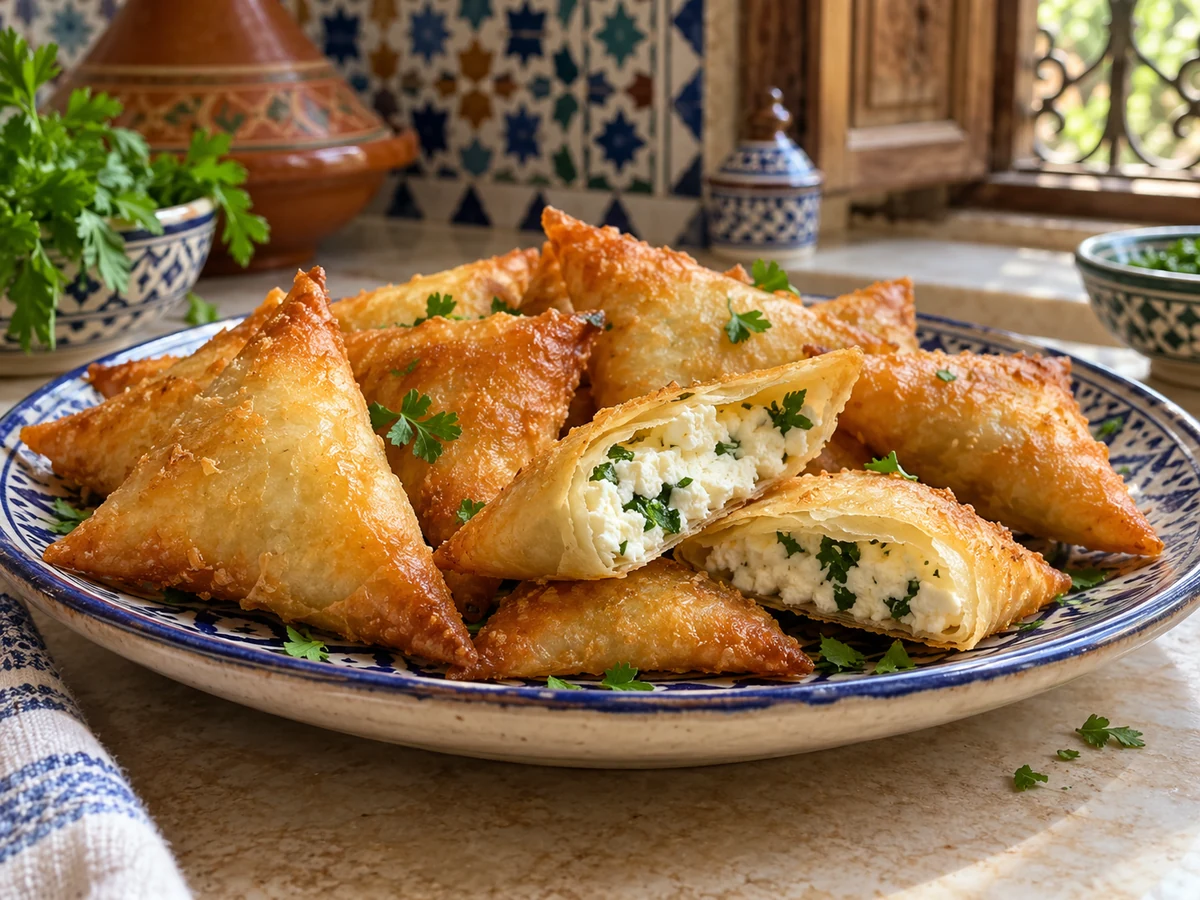
2.2. Industrial, modern, hybrid cheeses • Processed cheese: imported or locally produced (The Laughing Cow, P’tit Goudé, Président, Brie, Mozzarella, Cheddar, hamburger slices, Brie, etc.), dominant in large cities, used in snacking, sandwiches, croque-monsieur, burgers, pizzas. • Feta and fresh white cheeses: produced by North African dairies on a large scale, widely consumed in salads, bricks (fried pastry), tarts, omelets, Maghreban specialties. • Brie, Camembert, Blue, Gouda, Emmental: present through import in supermarkets, hotels, luxury grocery stores, chic brunches, fusion restaurants. • Modernized “local” cheeses: artisanal diversification in Ivory Coast, Togo, Senegal, Morocco, Tunisia, South Africa (aged Wagashi, fresh sheep cheese, small lactic cheeses, artisanal blue, “African Gouda”, local mozzarella…).
3. Economy, production, and sector of African cheese
3.1. Economic weight • Artisanal pastoral production: thousands of families depend on milk and cheese for their income: direct marketing at the market, bartering, sale to the dairy. • Dairy cooperatives: especially in the Maghreb, South Africa, Rwanda, Kenya, Madagascar, Egypt, Nigeria, support for small producers, structuring of sectors. • Agri-food industry: large dairies offer jobs, develop ranges adapted to purchasing power, food culture, and the environment (melting cheese, sandwich cheese, grating cheese, yogurt/fresh white cheese...). • Import/export: balance often in deficit (dependence on imported European cheeses), but attempts to develop “authentic African cheeses” for the diaspora or export. 3.2. Obstacles and opportunities • Preservation: difficulty in controlling the cold chain; pressed/dried/smoked cheeses partially solve this problem. • Urban markets: growing demand for healthy, local products, with guaranteed origin and traceability. • Tourism and catering: rise of brunches, buffets, African cheese platters, culinary events, artisanal cheese challenges. • Development aid: programs from NGOs, states, and inter-African organizations to promote local milk, support agroecology, food security, and “consume African”.
In my books

Continue exploring the continent’s cuisines with Africa at the Table — 54 countries, 54 iconic dishes, by Alioune FALL. This book is in English.
Explore further
4. Nutritional value and benefits of cheese
4.1. Protein and micronutrient intake • Rich in complete proteins: 18 to 28g/100g depending on varieties. • Intake of calcium, phosphorus, vitamin B12, A, D, zinc, iodine: essential for growth, bone mineralization, teeth, immunity. • Presence of fatty acids, variable nutritional influence depending on fat content; traditional African cheeses are often leaner than their European counterparts. • Lactic fermentation: improves digestibility, excellent for intestinal flora (natural probiotics, pre-digested caseins). 4.2. Health, prevention, recommendations • Key food for children, pregnant/lactating women, elderly people: promotes growth and bone recovery. • Prevention of calcium and phosphorus deficiency (rickets, osteoporosis), fight against malnutrition, fortifier in case of fever, convalescence, HIV/AIDS. • Lactose intolerance: aged, lactic cheeses are better tolerated. • Beware of salt (high content in dried artisanal or industrial cheeses), to be limited in case of hypertension.
5. Culinary uses of cheese in African traditions
5.1. West Africa a) Wagashi / Wara / Warangashi / Fulani Cheese • Traditional Fulani cheese, made from cow's milk (sometimes “raw” curdled milk), curdled and pressed with lemon, local rennet, or vinegar extracted from certain plants. • Consumed fresh, salted, smoked, or dried. • Preparations: o fried in oil, then eaten alone or included in tomato sauce, stew, peanut sauce; o sliced with vegetables: in corn, pounded yam, jollof rice, with djouka sauce, millet polenta. o snack or street-food (“wagashi skewers”, “attiéké/fonio quinoa topping”, “wagashi sandwich”). • Festive dish in some societies, but also a daily food, a source of protein as an alternative to meat. b) Traditional fresh cheeses “pendidan”, “cheese balls” • Small balls, pressed, dried, sold in markets, grated over cereals, soups, flatbreads. 5.2. North Africa • Jben (Morocco, Algeria, Tunisia, Libya) o Fresh goat or cow cheese, soft curd, consumed for breakfast (olive oil, honey, bread), in salads, bricks, tagines, stuffed dishes. o Sometimes aged (“jben mderbel”), marinated in brine, rolled with herbs. • Dried cheese balls (Goubeg, Southern Turkey/Libya), traditional snacks. • Riqotta, rigouta, Maghreban ricotta o Whey cheese, similar to Italian ricotta, used in pastries, fillings, gratins. • Processed cheese and feta highly appreciated in salads, sandwiches, bricks, pizzas. 5.3. East and Southern Africa • Maasai, Borana or Samburu cheese: curdled milk, heated, formed then dried or fermented, traditionally reserved for initiates, ceremonial moments or to supplement diet in the dry season. • Farm cheese (South Africa, Eswatini, Lesotho…): production of fresh farm white cheese, sometimes grated, cottage cheese, sold in markets. • Local Mozzarella and Gouda: emergence thanks to European farmers settled or fusion gastronomy. • Amasi (curdled milk, similar to labneh (a strained yogurt), consumed fresh or as an accompaniment). 5.4. Indian Ocean, Madagascar, islands • Malagasy fresh cheese (zebu curdled milk cheese, wild figs): used in skewers, vegetable stews, brioche, crepes, street-food. • Goat or sheep cheeses: artisanal experience, valued in local hotels and gourmet restaurants.
6. Symbolism, social role, transmission
6.1. Cheese of sharing and celebration • Offering cheese during a celebration, a return from a trip, a wedding, or a birth is a sign of prosperity and hospitality (among the Fulani, Berbers, Tuareg, in the Maghreb). • In markets, cheese is also a guarantee of trust: each family, each tribe, each “cheese godmother” has “her” recipe, “her” secret; the grafting of ferments, the gestures are passed down for generations. 6.2. Transmission, identity, and learning • Cheese making (“keeping evening milk, waiting for curdling, draining it with the palm, rolling it in salt, smoking or drying it”) is at the heart of pastoral education. • Proverbs: “Better a piece of cheese than a grand promise”, “A shared cheese pushes back scarcity”. • Initiation rites (among the Borana, Maasai, Tuareg, Fulani): collective cheese making; a tool for reconciliation, a food of peace.
7. Modernity, innovation, place of cheese in contemporary gastronomy
7.1. Brunches, tapas, street food, and bistronomy • Renewal of “African cheese”: wagashi skewers with shea honey, jben bricks, gourmet fresh cheese sandwich, pizza with local mozzarella or wagashi, Fulani cheese burger, Ghanaian cheese salad, attiéké raclette with wagashi, etc. • Urban street-food: tacos, wraps, crepes, hamburgers, accras (fried bean fritters), samosas, croquettes, and “made in Africa” pizzas stuffed with melting cheese. 7.2. Diaspora and internationalization • Diaspora chefs revisit wagashi, jben, goat cheese, feta, cashew cheese, blue cheese, cheddar, and African parmesan in their menus, from London to New York, Paris, Berlin, Johannesburg. 7.3. Guests, media, and cultural identity • Cheese has become a “terroir” product, regional pride (wagashi festivals, Fulani tomme festivals, Ivorian cheese fair…). • Teaching via social networks, culinary competitions, television shows (Africa top chef, Afrofoodies, taste festival…).
8. Challenges, issues, and perspectives
8.1. Safety, health, and quality • Need to guarantee the sanitary quality of milk and cheese (risks of contamination, zoonoses, mycotoxins). • Improvement of community equipment (cold chains, laboratory, quality control). • Education on reasonable consumption (hyper-salted or fatty industrial cheeses). 8.2. Sustainable development • Support for agroecology, valorization of local milk, fight against dependence on imported powders/milks. • Integration of farm sectors, transformation into cooperatives, revival of artisanal cheese in regional agricultural policies. 8.3. Innovation and diversification • “Vegetable” cheeses (soy, cashew, peanut), vegan and health dynamics. • Creation of new African tastes: spicy wagashi, moringa smoked cheese, hibiscus feta, “millet beer brie”, “baobab cheddar”, goat/ginger mozzarella…
Conclusion Cheese, far from being a Western import, is a living product of the terroirs, of yesterday's and tomorrow's challenges of the African continent. Whether it is pastoral curd or gourmet aged, in the hands of Fulani women or in the display cases of urban brunches, cheese testifies to the genius of adaptation, the strength of transmission, the pride of collective creation, and the powerful openness of the continent to the world. Preserving, innovating, valorizing “African” cheese is not simply returning to the past or pleasing globality, it is building food sovereignty, gastronomic diversity, dignity, and the joy of eating together. In every bite of wagashi, jben, goat cheese, or African camembert, one finds the soul of a people, the memory of the family, the hand of the terroir, and the taste of the future.
In the kitchen : Cheese
Recipes from the site to put your knowledge into practice:
Discover these cuisines at a restaurant
Explore our restaurant and caterer directories. Choose your destination and check the establishment’s menu to confirm which dishes are offered and available.
Continue exploring
Enjoy discovering ingredients and African cuisines? Join our newsletter. The illustrated PDF 10 sauces africaines incontournables is in French and is offered after confirming a subscription to the French or bilingual edition.