Peas
Mediterranean, Near East
Understanding : Peas
INTRODUCTION
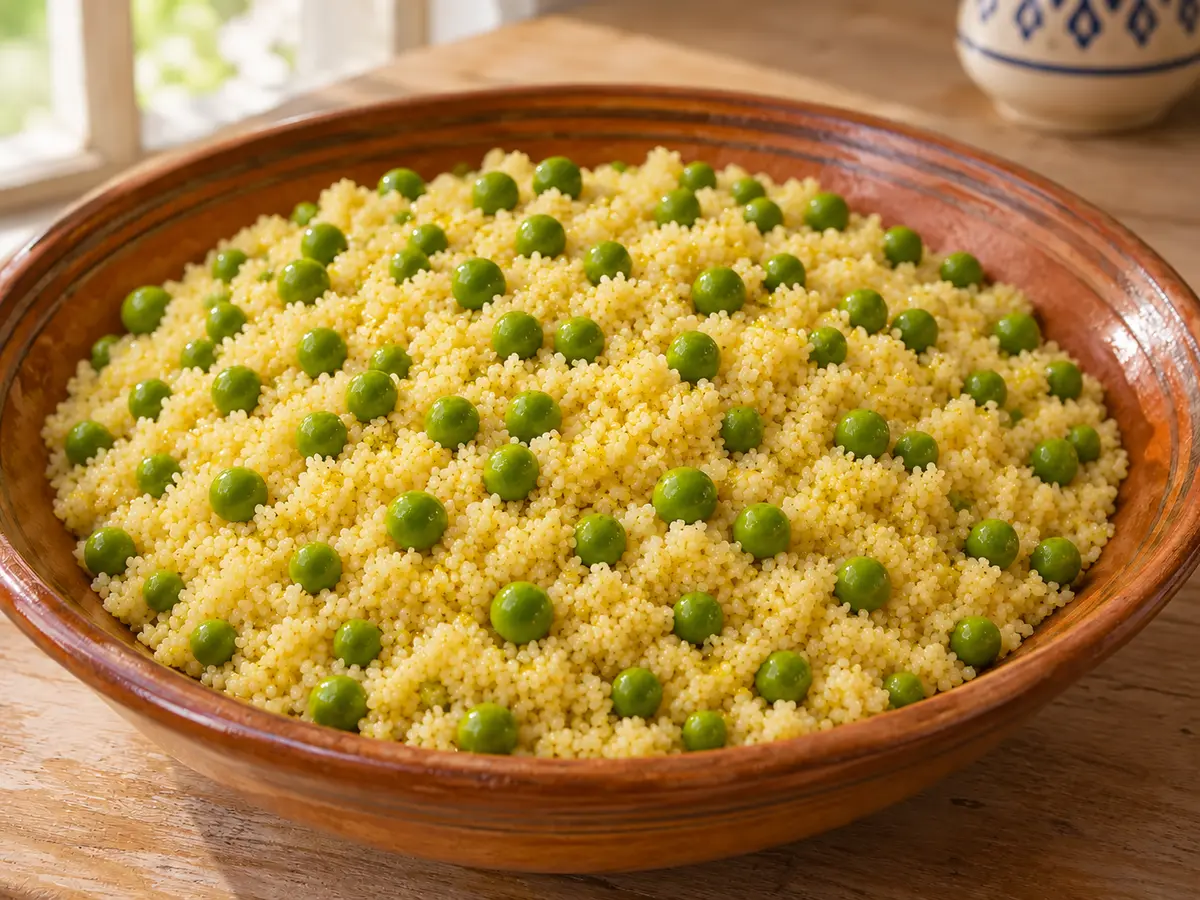
Peas—spherical seeds from the Pisum sativum plant—are now present throughout the African culinary landscape, from north to south, from the coast to the interior of the continent. Their vibrant green color, firm yet tender texture, and sweet-leguminous taste have made them valuable ingredients for family cooking, street food, urban catering, and modern gastronomy. While peas are not native to Africa, their adoption, which dates back to Mediterranean and then colonial contacts, reflects the ability of African cuisines to absorb foreign plants, cultivate them, integrate them, and “creolize” them. From fresh Maghrebi salads to West African sauces, from Kenyan pilaf rice to Tunisian tagines, from Malagasy meatballs to urban brunches, peas have become an expression of modern life, color, and nutrition. Their widespread use, versatility, ease of cultivation, and preservation make them a daily ingredient as well as a festive adornment for many dishes today.
Where to find it
Look for the exact food-grade form required by the recipe at markets and specialist shops. Check the product name, ingredients, condition and storage instructions.
Explore further: Cooking tips · Food hygiene and safety advice.
History and uses
1. ORIGINS, HISTORY AND SPREAD OF PEAS IN AFRICA
1.1. Mediterranean origins and global spread Peas originate from the Mediterranean basin and the Near East. Among the first plants cultivated by humans during the Neolithic period, they have traveled trade and agricultural routes over millennia. Known in ancient Egypt, mentioned in Phoenician, Greek, or Roman cuisine, peas were long consumed dried before the appearance, in the 17th century, of tender-seeded varieties intended to be eaten "green." With colonization and the globalization of agricultural trade, fresh, canned, or frozen peas spread to North Africa via the Mediterranean, then to West, East, Southern, and Central Africa through imported market gardening or trade networks. 1.2. Modes of introduction in Africa In the Maghreb and Egypt, pea cultivation dates back several centuries, first in the form of split peas and chickpeas, then in the more recent form of green peas. The development of canneries in the colonial era, the introduction of modern market gardening via missionaries, the army, and agricultural companies allowed their cultivation in temperate African zones (High Atlas, Ethiopian and Kenyan plains, high plateaus of Southern Africa). Today, peas are cultivated in the cool season in many countries: Morocco, Algeria, Tunisia, Egypt, South Africa, Kenya, Tanzania, Rwanda, Uganda, Cameroon, Madagascar, Zimbabwe… They are also imported frozen or canned to meet the rest of the continent's demand.
2. AGRONOMY AND ECONOMY OF PEAS IN AFRICA
2.1. Cultivation and adaptation to African climates Peas are an annual legume requiring: • fertile, loose, well-drained soil; • cool temperatures: cultivation is seasonal, mainly during winter or intermediate seasons, or at altitude; • few inputs, which makes them interesting for family farming. Specific varieties have been selected for their adaptation to short seasons, relative heat, and resistance to diseases and pests. We distinguish shelling peas (“garden peas”) and snow peas (edible pods). 2.2. Economic and social role In many African countries, especially in mountainous or peri-urban areas, pea cultivation represents a valuable income, particularly for: • women (market garden managers, sellers of fresh or shelled peas), • small farmers who combine peas with other vegetables (potatoes, carrots, lettuces…), • urban markets (fresh, frozen, or canned products). The export of fresh peas (especially from Kenya, Zimbabwe) to Europe brings foreign currency but also raises questions about food sovereignty and competition with local needs. However, their place is essential for domestic consumption, especially during holidays and major events.
3. NUTRITIONAL VALUE AND HEALTH BENEFITS
3.1. Nutritional properties Peas are extremely rich in: • Vegetable proteins: 5-8 g/100g, higher than most fresh vegetables. • Dietary fiber (soluble and insoluble). • Vitamins: vitamin C, B vitamins (B1, B3, B5, B6, folic acid), vitamin K, a little provitamin A. • Minerals: potassium, magnesium, iron, phosphorus, manganese, zinc. • Antioxidant and phytochemical compounds (lutein, saponins…). 3.2. Health benefits • High satiety, helps with weight control, blood sugar (moderate GI). • Strengthening of the digestive system thanks to fiber content. • Better iron absorption when combined with meat or citrus fruits (natural vitamin C). • Protective effect on the heart (potassium, magnesium, soluble fiber). • Ideal for infant feeding (purees, compotes, rice-peas) and convalescence. Low calories (less than 80kcal/100g cooked), no cholesterol, very little fat.
4. CULINARY USES AND REGIONAL DIVERSITY
4.1. North Africa and Sahara • Tagines and couscous: peas used in meat tagines (lamb, chicken, "kefta" meatballs) often with potatoes and carrots, in spring couscous, but also for vegetarian or festive couscous. • Soup and chorba: added to clear soups, broths, accompanied by fresh herbs, onion, sometimes mashed. • Cold salads: "macédoine" salad (peas, carrots, potatoes, mayonnaise or lemon-olive oil dressing), essential in Maghrebi buffets, served during family celebrations or Ramadan. • Bricks and pastries: mixture of peas, potatoes, tuna or minced meat, egg, wrapped in a crispy pastry, served as a starter or snack. 4.2. West Africa • Riz au gras (rice cooked in fat) / Jollof rice: peas are integrated into the rice for color and sweetness, constituting one of the markers of the festive dish. • Vegetable or meat sauces: simmered with carrots, potatoes, tomatoes, they accompany chicken, fish, beef, smoked meat. • Purees and porridges for children: boiled peas, mashed with sweet potato, cassava or rice. • Mixed salads: modern versions incorporating tuna, sliced chicken, pasta, egg, corn. 4.3. East and Southern Africa • Pilao / Kenyan or Tanzanian pilaf rice: fragrant rice, peas, carrots, meat or meatballs. • Vegetable curries (Indian/Swahili influence): pea compote with onion, aromatics, curry paste, coconut milk. • Chapati roll: cooked, mashed, spiced peas, included in flatbreads or rolled breads for breakfasts and street food. • Fresh pea soup: starter in urban hotel cuisine, English-speaking brunches, fusion food. 4.4. Central Africa and Madagascar • Stews: peas with zebu meat or fish, beans, leafy greens (brèdes), tomato or peanut sauce, sometimes garnished with roasted cashews. • Balls, croquettes, patties: peas mixed with sweet potato, onion, cumin, formed into balls and fried (Malagasy street food). • Accompaniment to urban street food: sandwiches, omelets, egg rolls, skewers.
In my books

Continue exploring the continent’s cuisines with Africa at the Table — 54 countries, 54 iconic dishes, by Alioune FALL. This book is in English.
Explore further
5. SOCIAL, SYMBOLIC PLACE AND MODERNITY
5.1. Symbol of celebration and “modernity” • Peas, formerly imported products, then canned goods, long remained synonymous with refinement, Westernization, or “festive table.” • Integrating peas into rice, sauce, salad, or birthday dishes is a sign of social ascent, of openness to modernity. • Festive buffets, large African ceremonies, and weddings almost always include a pea salad, often associated with mayonnaise. 5.2. Socialization and transmission • Mothers and grandmothers teach shelling, “just right” cooking to preserve color, and elegant presentation of dishes. • Children's games around collective shelling, transmission of family salad, puree, or tagine recipes. 5.3. Urbanization and fast food • The rise of frozen foods, canned goods, and African-style fast food has allowed peas to be included in many express dishes, thus integrating the modern pace into culinary habits. • Brunch recipes (scrambled eggs, savory tarts, cakes, patties, samosas, croque-monsieur), creamy soups served in hotels, catering, and caterers in large cities.
6. ECONOMIC IMPACT AND SECTORS
6.1. Market gardening sector and local trade • African farmers benefit from short growing cycles, constant urban market demand, and a preference for local peas (sweeter, “organic,” less fibrous). • Women's cooperatives boost cultivation, market sales, and packaging, promoting economic empowerment. 6.2. Processing and export • Peas are also processed into flour, used in biscuits, purees, infant porridges, or integrated into school, hospital, and humanitarian food programs. • Export of fresh peas to Europe, notably Kenya, Ethiopia, Zimbabwe, Uganda. • Challenges related to the cold chain, international competition, and local food security.
7. CHALLENGES, INNOVATION, SUSTAINABILITY
• Issues related to food sovereignty - arbitrating between production for export and local food. • Valorization of local varieties, permaculture, “agro-ecological” techniques to maintain yield and quality. • Botanical and culinary knowledge to protect and transmit in the face of dependence on frozen or imported goods. • Modern gastronomy: African chefs reinvent peas in velouté, sweet-savory dessert, cocktail, green pesto, tartare, healthy croquettes, a favorite on culinary social networks.
CONCLUSION Peas, traveling vegetables now rooted in the African culinary imagination, symbolize sweetness, color, modernity, and health. They slip into all dishes—from Maghrebi tagines and couscous to West African “riz gras” (rice cooked in fat), from Swahili pilaf and curries to metropolitan patties, pastries, and brunches. Driven by agricultural ingenuity, nutritional versatility, and culinary creativity, they unite generations, regions, and social classes around conviviality, taste, and generosity. Preserving their diversity, integrating peas into an agro-ecological and innovative perspective, is to honor the future of African food: flavorful, healthy, diverse, and open to the world.
In the kitchen : Peas
Recipes from the site to put your knowledge into practice:
Discover these cuisines at a restaurant
Explore our restaurant and caterer directories. Choose your destination and check the establishment’s menu to confirm which dishes are offered and available.
Continue exploring
Enjoy discovering ingredients and African cuisines? Join our newsletter. The illustrated PDF 10 sauces africaines incontournables is in French and is offered after confirming a subscription to the French or bilingual edition.