Pastel
Senegal
Understanding : Pastel
INTRODUCTION
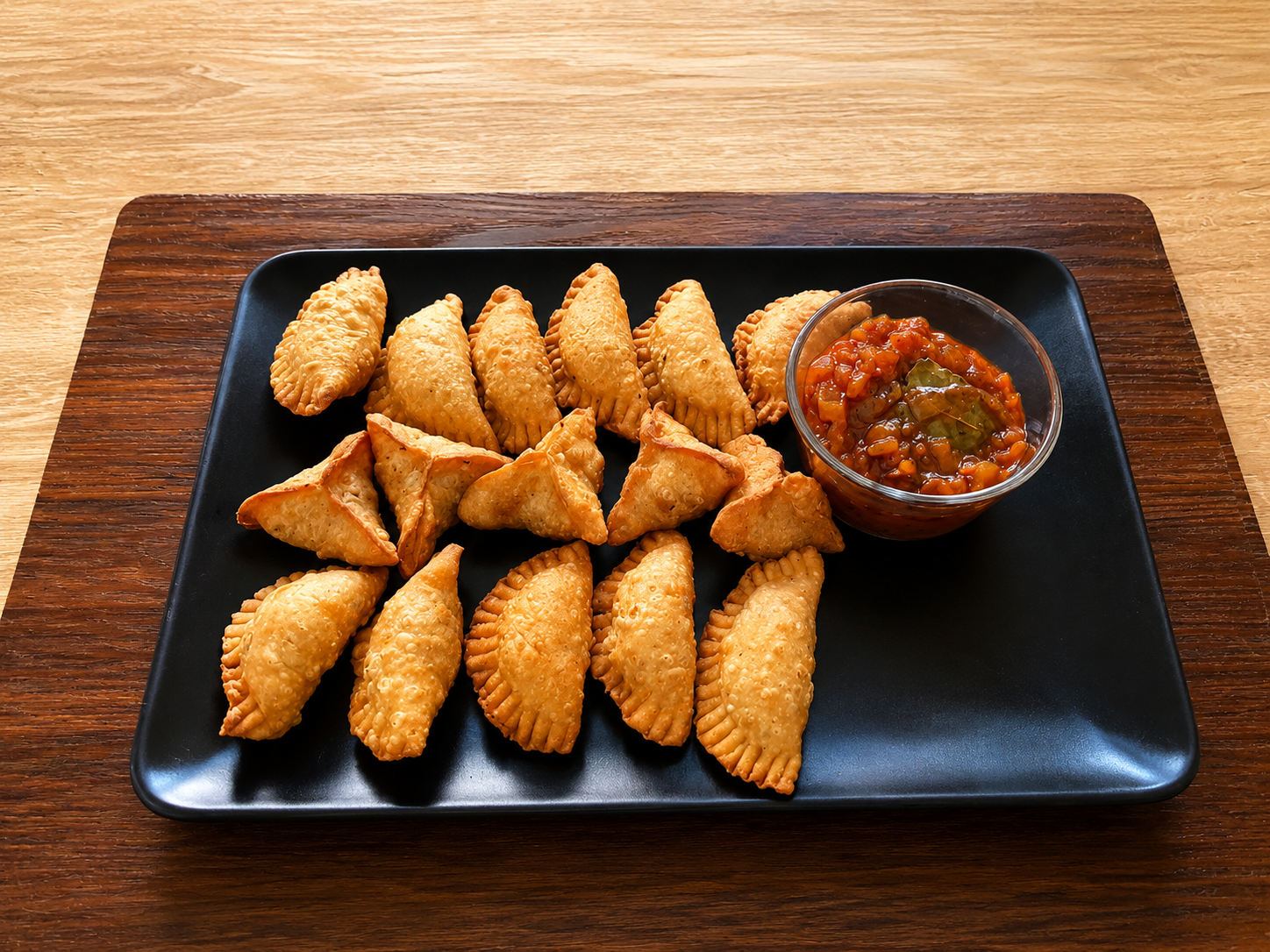
A symbol of taste, creativity, and conviviality, the pastel is one of the most popular and celebrated savory fritters in Senegal, Cape Verde, and the West African diaspora. Fish pastel, meat pastel, vegetarian or fruity pastel: behind a simple name lies a deeply rooted tradition, born from the cross-pollination of African, European, and Creole influences. From the streets of Dakar to family celebrations, from local markets to Afro-urban snack bars in Paris or New York, the pastel has conquered all generations, all social classes. The history of the pastel is one of travel, cultural blending, and the continent's ability to adapt, reinvent, and elevate a simple street food into a national treasure. Let's dive into the world of pastel – between crispiness, sweetness, sharing, and identity.
Prepare this speciality
Choose a detailed recipe, adjust the portions and prepare your ingredients before starting. Our cooking tips and food safety advice complement the steps described in the recipes.
Explore further: Cooking tips · Food hygiene and safety advice.
History and uses
1. HISTORY AND ORIGIN OF PASTEL IN AFRICA
1.1. The mixed roots of pastel For Europeans, the term "pastel" evokes the Spanish word for "cake," but in West Africa, it is in Senegal that it has found its most flavorful and distinctive expression. The origin of the pastel is multi-faceted: • Portuguese/Cape Verdean heritage: The Cape Verdean fish pastel, imported by Portuguese traders and Cape Verdean populations, is a small turnover stuffed with tuna, onion, and spices, fried in oil. • Maghreban resonances: Moroccan pastilla, Tunisian or Algerian brik, show a broad tradition of stuffed fritters or pastries in the Mediterranean and North Africa. • Creole and urban adaptation: In Dakar, Saint-Louis, or Bissau, the pastel becomes a fish fritter (mainly sardine or tuna), onion, or spicy vegetables, often seasoned with chili, tomato, and local herbs. 1.2. Diffusion and hybridization The encounter between Portuguese and Cape Verdean fishermen, the establishment of Senegalese communities in the Cape Verde peninsula (Dakar, Gorée…) and in the groundnut basin, allowed the pastel to be enriched with local tastes, techniques, and products: fresh or dried fish, vegetables, egg, minced meat, wheat flour, Senegalese groundnut oil. From there, it spread with urban migration and the diaspora throughout the sub-region, to the West Indies and Europe.
2. PASTEL INGREDIENTS
2.1. The dough The pastel dough is light, flexible, neither too thick nor crispy like a shortcrust pastry: it must be able to hold the filling without absorbing the frying oil. Its traditional ingredients are: • White wheat flour • Egg (for elasticity) • Water (sometimes milk for softness) • Salt (sometimes a hint of sugar) • A little baking powder or baker's yeast, but not always • Vegetable oil for frying (groundnut, sunflower, sometimes palm) 2.2. The filling The most classic filling consists of: • Fish (fresh sardine, mackerel, tuna, hake, smoked or crumbled fish) • Chopped onion (often an aromatic base) • Parsley, chives, garlic, pepper, fresh or ground chili, bay leaf • Concentrated tomato (sometimes fresh tomato) • Often, a little oil to sauté the filling Variations include vegetables: grated carrot, potato, cabbage, bell pepper, or minced meat, or even shrimp or other seafood (in Cape Verde). 2.3. The accompanying sauce Senegalese pastel is invariably accompanied by spicy sauce – the famous “spicy tomato sauce” or “dja” (a spicy tomato sauce), sometimes sprinkled with raw onions, lemon, or even tamarind, bringing spiciness, acidity, and freshness.
3. PREPARATION TECHNIQUE AND CHEF'S SECRETS
- Dough preparation: • Sift the flour into a large bowl, make a well. • Add egg, salt, water (and optionally yeast and a pinch of sugar). • Knead until a smooth and pliable dough is obtained. • Let it rest in the refrigerator while preparing the filling.
- Filling preparation: • Poach or cook the fish (if fresh), carefully crumble, removing bones. • Sauté the chopped onion in a pan with a little oil, add tomato, chili, garlic, parsley. • Incorporate the fish, salt, pepper, adjust seasoning. • Let the filling cool (it should not make the dough soggy).
- Shaping: • Roll out the dough thinly on a floured surface. • Cut out circles (or rectangles) with a cookie cutter. • Place a spoonful of filling in the center of each disk. • Fold into a half-moon, seal the edges with a little water or egg – you can crimp (pinch/ridge) or fold like a turnover.
In my books
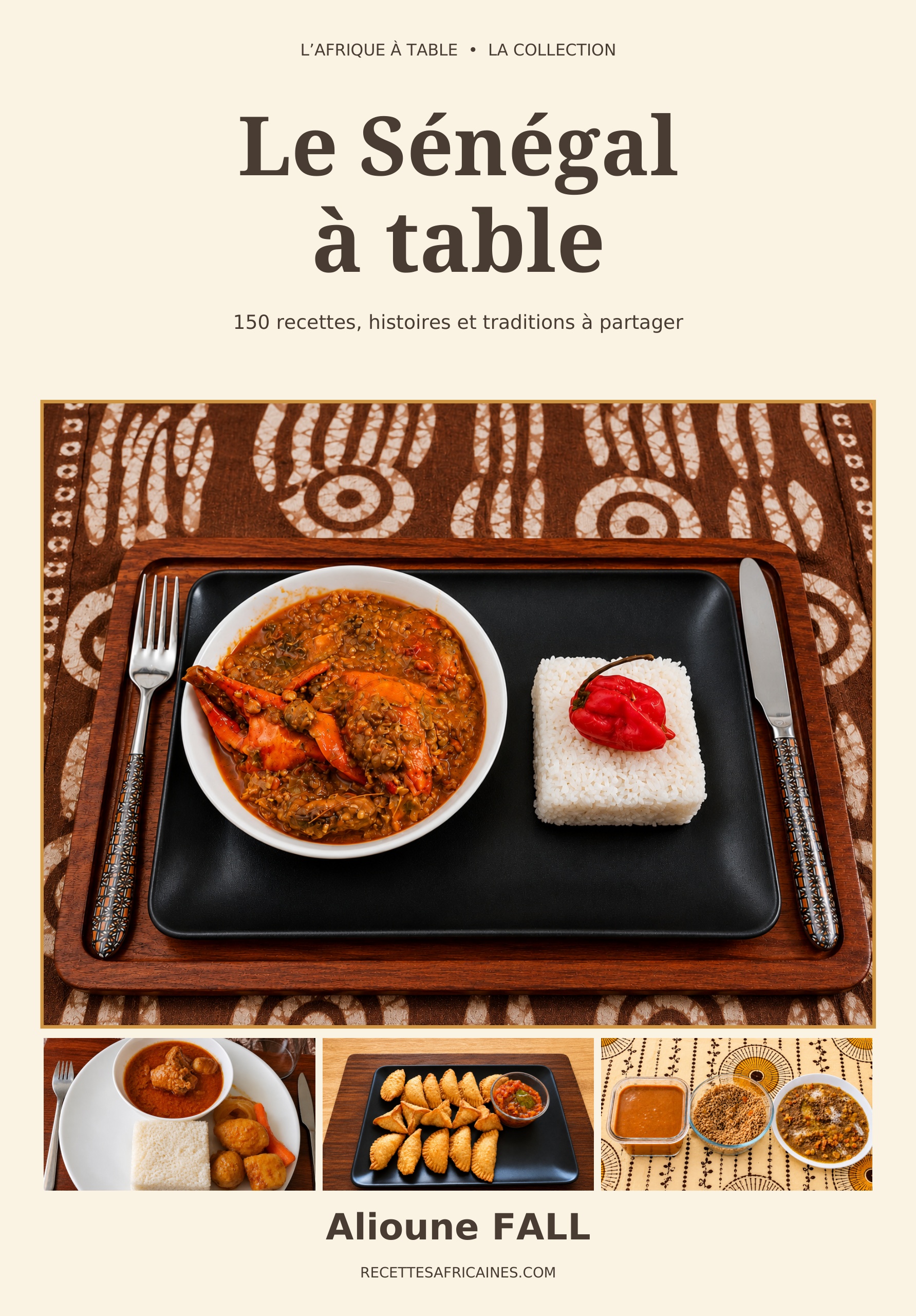
Explore Senegalese cooking with Le Sénégal à table, my collection of 150 recipes, stories and traditions to share. This book is in French, by Alioune FALL.
Explore further
4. Frying:
• Heat the oil to 170-180°C. • Deep-fry the pastels (not too many at a time) until golden brown on each side. • Drain on absorbent paper.
5. Tasting:
• Serve hot or warm, with the tomato-chili sauce on the side. Chef's tips: • Let the dough rest for at least 30 minutes for a more tender texture. • Use leftover thieboudienne (fish and rice dish) fish or smoked fish for a more pronounced taste. • Adjust the amount of chili according to the desired strength: street food can be very spicy! • Spices (cumin, paprika, turmeric) can be incorporated into the dough to personalize it. • Light variant: bake the pastels in the oven on an oiled baking sheet.
-
REGIONAL VARIANTS AND MODERN INVENTIONS 4.1. Senegalese Pastel • The “classic” pastel: fish, onion, chili, tomatoes. • The “mini-pastel” for aperitifs or school parties. • Minced lamb pastel in Dakar, sometimes chicken in rural areas. • “Royal Pastel”: shrimp, fish, and vegetables, for ceremonies or celebrations. 4.2. Cape Verdean Pastel • Tuna filling, chopped hard-boiled egg, olives, parsley, sometimes peas or potatoes. • Use of “caldo” (homemade broth) to moisten the filling. 4.3. Diaspora and street food • Pastels in Paris, Brussels, or New York: vegetarian versions (sweet potato, carrot-ginger), vegan (tofu or chickpea), sweet with banana or hibiscus jam. • Afro-Antillean fusions (Antillean chili, Creole spices) or Afro-French (emmental or Roquefort cheese, barbecue sauce).
-
SOCIAL, FESTIVE AND SYMBOLIC ROLE 5.1. Snacking and celebrations • Pastel is inseparable from “bissap” (hibiscus juice), “gingembre” (spicy ginger drink) during wedding receptions, baptism parties, birthdays, on Dakar beaches, or picnics. • Essential during Ramadan for breaking the fast (Ndogu), sold in front of mosques or in the street. • Present at “Senegalese evenings” in the diaspora, it brings all generations together. 5.2. Economy and autonomy • Many women earn an income from pastel: making (at home or in a workshop), selling in markets, home delivery, urban snacks, events. • Pastel symbolizes the ability to undertake with few accessible ingredients. 5.3. Transmission and learning • Preparing pastels is often the first cooking lesson given to young girls, a marker of female socialization. • The folding gesture is passed down from mother to daughter, each family having its “signature,” its way of pinching the dough, of enhancing the sauce.
6. NUTRITIONAL VALUE AND BALANCE
• Pastel, although fried, provides protein (fish, egg, meat, vegetables), carbohydrates (dough), and fiber (vegetables in the filling). • Chili-tomato sauces are rich in antioxidants, vitamins A, C, E. • The modern idea: prioritize oven baking, reduce oil, enrich the filling with vegetables for a “healthier” pastel.
7. SYMBOLISM, FOLKLORE AND CONTEMPORARY INSPIRATION
• Wolof proverb: « He who shares his pastels never lacks friends ». • Patterns on the dough or artistic shapes: heart, star, leaf pastel (challenge for urban Senegalese pastry chefs). • Star of African “food culture”: pastel food truck, workshops in schools, masterclasses in the diaspora.
CONCLUSION Pastel is much more than a savory fritter: it embodies the history of cultural mixtures across oceans, the genius of improvisation, the strength of sharing, and the dynamism of African street food. A pillar of celebrations, a daily pleasure, and a source of autonomy, it unites simplicity, conviviality, and invention. To uphold the pastel is to affirm the openness, diversity, and taste of a moving Africa.
In the kitchen : Pastel
Recipes from the site to put your knowledge into practice:
Discover these cuisines at a restaurant
Explore our restaurant and caterer directories. Choose your destination and check the establishment’s menu to confirm which dishes are offered and available.
Continue exploring
Enjoy discovering ingredients and African cuisines? Join our newsletter. The illustrated PDF 10 sauces africaines incontournables is in French and is offered after confirming a subscription to the French or bilingual edition.