Saba senegalensis (madd)
Africa
Understanding : Saba senegalensis (madd)
INTRODUCTION
Saba senegalensis – locally called "Madd" in Senegal, "Weda" or "Rôné" in Burkina Faso, "Daniellia", "Zaban", "Saba", "Saba du Sénégal", "Malombo" or "Tonga" in other regions of West and Central Africa – is an emblematic wild fruit of the Sudanese and sub-Saharan African savannas. A cousin of the baobab, belonging to the Apocynaceae family, this mysterious fruit, with its hard shell and tangy pulp, fascinates botanists, nutritionists, and children growing up in the shade of large bush trees alike. Its discretion: it appears in almost no industrial production or Western recipe databases, yet it nourishes villages, punctuates seasons, and masterfully enriches certain local specialties. This text offers an in-depth exploration of Saba senegalensis, from its culinary uses to its sociocultural and agroecological symbolism.
Where to find it
Look for the exact food-grade form required by the recipe at markets and specialist shops. Check the product name, ingredients, condition and storage instructions.
Explore further: Cooking tips · Food hygiene and safety advice.
History and uses
I. ORIGIN, BOTANY AND NATURAL ENVIRONMENT
- Botanical History Saba senegalensis is a fruit belonging to the Apocynaceae family, widespread in the tropical regions of West and Central Africa. The plant is a woody liana, capable of climbing up to 30 m into the canopy, clinging to savanna trees to bear its fruits towards the sun. The fruit of Saba senegalensis has an elongated oval shape, the size of a small kiwi, with a thick, rigid green shell that yellows upon ripening. Inside, a bright orange, gelatinous, and extremely fragrant pulp surrounds flattened black or dark brown seeds.
- Geographical Distribution Saba senegalensis grows mainly in the Sudano-Guinean zone, a vast corridor covering: • Senegal • Gambia • Guinea-Bissau • Mali • Burkina Faso • Ivory Coast • Ghana • Nigeria • Cameroon • Chad • Central African Republic It is also found in other countries, sometimes extending to the eastern facade of the continent, in precarious savannas, forest grasslands, or clear forest edges.
- Harvesting Conditions An archetypal wild plant, Saba is generally not intentionally cultivated (although recent agroforestry experiments are beginning to domesticate it). Its harvest takes place during the dry season, mainly between March and July: children and women scour fields or edges to find and collect fallen fruits or those picked with a long pole. The fruit, transported in large baskets, is sold at the market or consumed fresh in villages.
II. SENSORY DESCRIPTION AND CULINARY USES
- Appearance and Tasting Each fruit, 6 to 12 cm long, hides an orange, sometimes pearly, pulp that is difficult to separate from its seeds. The exterior appearance is plain, but the pulp delivers a powerful and characteristic fragrance, at once fruity, tangy, exotic, evoking a mix of passion fruit, apricot, green mango, and lemon. Its very powerful taste is initially tangy, then calls for sweetness, sometimes a discreet astringency. The texture is soft, pulpy, juicy, and very refreshing. Children consume it by sucking the seeds directly (tasting a "Madd" is an art: one must use the tongue to suck the pulp while spitting out the seed). It is often said that the fruit "hits the tongue": this astringent quality is highly sought after.
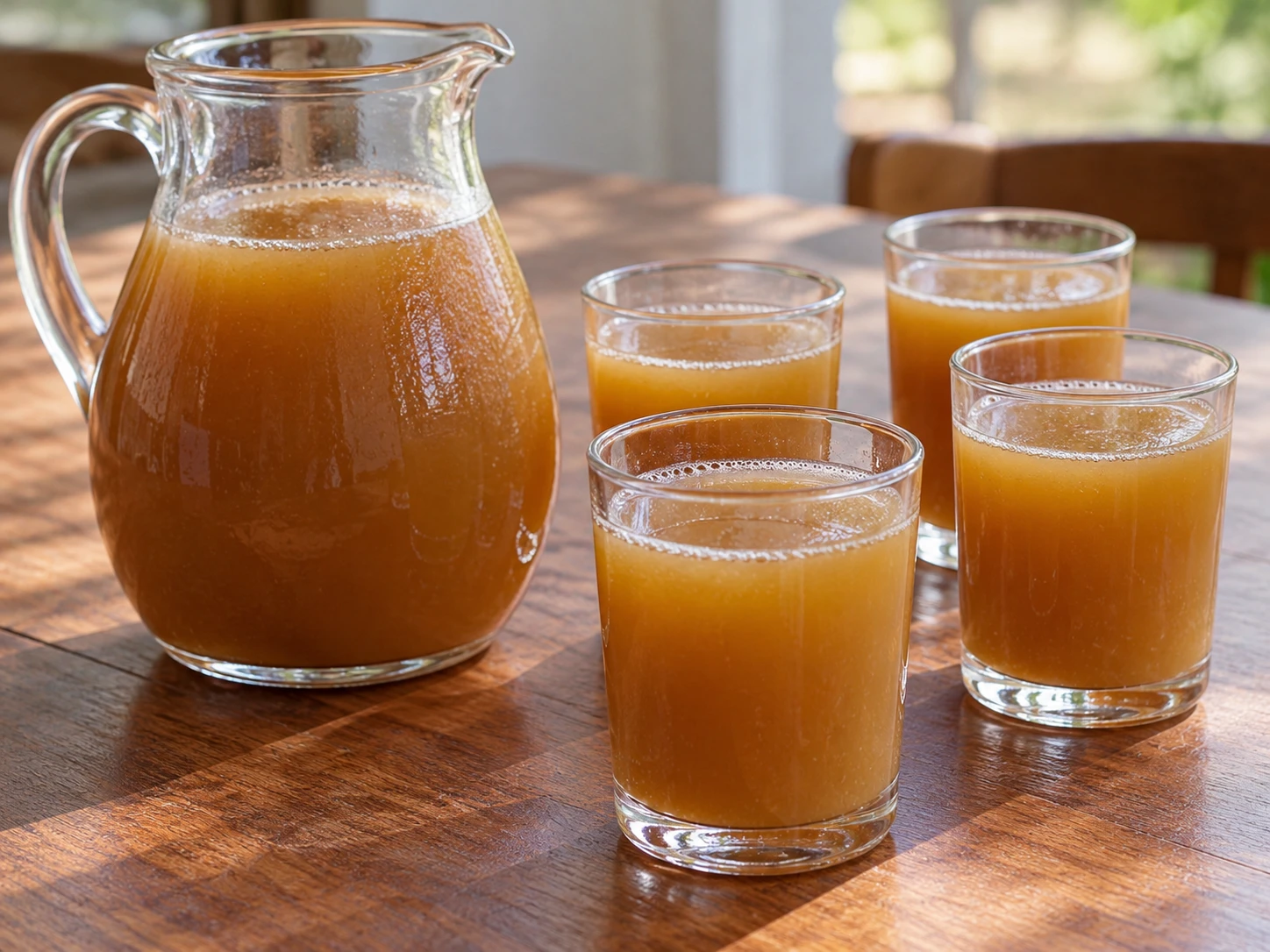
- Artisan Transformation Fresh The most common way of consumption, especially in rural areas, is to suck the fresh pulp, simply extracted from the shell. Madd Juice (iconic drink of Senegal and Mali) It is as a juice that Saba senegalensis shines brightest: the pulp, mixed with water, beaten to detach the seeds, then filtered, yields a refreshing orange-yellow nectar, to which sugar, sometimes milk or lemon, is added to soften the acidity. This juice accompanies celebrations (Tabaski/Eid, weddings, baptisms) and punctuates markets from Dakar to Bamako. Syrup or Smoothie Some concentrate it into syrup, sometimes mixed with mango, tamarind, or ginger, for energy drinks during hot seasons or fasting periods. Ice Creams and Sorbets Urban trends in West Africa are seeing new desserts emerge where Madd pulp is used to create artisanal ice creams or sorbets, to promote local fruit heritage. Pastries, Jellies, and Jams Some new-generation chefs are experimenting with jams or jellies, enhanced with sweet chili or lemon, very popular in hotels or restaurants with a tourist or gastronomic focus. Natural Decanter In some villages, women use the pressed, still acidic pulp to initiate the fermentation processes of natural grain-based beverages (local mead, millet-based drinks).
III. PLACE IN AFRICAN CUISINE AND SOCIETY
- Rituals, Celebrations, and Symbolism Saba senegalensis appears on all tables during the lean season (end of the dry season, when resources are scarce) and during collective celebrations: weddings, religious festivals, vigils, initiation ceremonies. A symbol of sharing, each Madd is split to be consumed by several people, each taking from it with bare hands or small spoons. In Senegal, Madd is sometimes offered as a gift to neighbors during Ramadan or a child's baptism. Its harvest, involving the whole family, also becomes a rite of passage to adolescence.
- Economic and Social Role The gathering, processing, and sale of Saba senegalensis provide a significant additional income for many rural families. Women and children, often responsible for this trade, thus supply the small local market: fresh fruits, juices, syrups, improvised sweets. The valorization of Saba thus contributes to food security, the informal village economy, and sometimes supports initiatives to revalue African heritage in tourist circuits (hotels, organic shops, export of artisanal juices).
In my books
Explore Senegalese cooking with Le Sénégal à table, my collection of 150 recipes, stories and traditions to share. This book is in French, by Alioune FALL.
Explore further
IV. MEDICINAL, AGROECOLOGICAL AND ENVIRONMENTAL ROLES
- Traditional Medicine Numerous medicinal uses are noted in ethnobotany: • The acidic pulp is administered as a digestive or to relieve thirst during fever attacks. • Certain preparations using the pulp or leaves treat transit disorders, diarrhea, chronic fatigue. • Decoctions of roots or bark serve as anti-inflammatories, purgative teas, remedies for ulcers. • The pulp, rich in vitamin C, is recommended against nutritional deficiency and as a tonic during fasting periods.
- Agroecological Interest Saba senegalensis contributes to the richness of savanna biodiversity: it protects against runoff, improves water retention, and combats desertification thanks to its deep rooting. It is a resilient, almost inexhaustible resource, and crucial in the face of climate change — as it grows without fertilizer or irrigation, on poor soils.
V. NUTRITIONAL BENEFITS
- Nutritional Properties Saba senegalensis is distinguished by: • High vitamin C content (30 to 60 mg/100g of pulp), essential in preventing scurvy and strengthening immunity. • Significant presence of calcium, iron, magnesium, potassium, improving bone health and muscle contraction. • Organic acids (citric, malic, ascorbic acid) responsible for its tangy flavor, participate in blood pH regulation. • Natural antioxidants (carotenoids, polyphenols): protectors against free radicals, supporting metabolism and cellular youth. • Fibers (soluble and insoluble): promotes intestinal transit, satiety, slows down sugar absorption.
- Energy Value • Caloric intake remains moderate (35 to 55 kcal/100g), largely in the form of simple carbohydrates, essential for quick energy. • The fruit, although low in lipids and proteins, perfectly complements rural diets centered on cereals. • The pulp contains few known allergens and is well tolerated by all, even children.
- Integration into Daily Diet Frequent consumption of Saba senegalensis, especially during the lean season, prevents seasonal malnutrition, provides vitamins, minerals, energy, and hydrates the body during dry periods when the risk of dehydration is high.
VI. CULINARY INNOVATIONS, ISSUES AND CHALLENGES
- Innovations and Contemporary Imagination With the valorization of local products, Saba senegalensis occupies an increasingly visible place in contemporary gastronomy: • Flavors for yogurts and artisanal ice creams, • Fusion pastries combining madd, mango, lime, • Modern mixology (cocktails, smoothies) for African bars or hotels. Star chefs and creators are now integrating it into their recipes to offer a unique identity to African cuisine on the international stage.
- Challenges and Sustainability Despite its undeniable assets, Saba senegalensis is threatened: • Undomesticated, its survival depends on the preservation of adult trees in the savanna. • Its harvesting remains seasonal, sometimes overexploited. • Younger generations, attracted by new industrial sugary products, tend to neglect this fruit, despite its rich virtues. • The artisanal processing sector, still informal, would benefit from support to prevent the loss of this heritage.
CONCLUSION
Saba senegalensis, a discreet treasure of the African savanna, testifies to the richness of African cuisine and natural heritage. A living food, a fruit of sharing, an ancestral culinary and medicinal pillar, it spans eras by uniting communities, families, and villages. At a time when sustainable nutrition, resilience, and "eating local" are more relevant than ever, valuing Saba senegalensis also means protecting biodiversity, preserving gestures and knowledge, and perpetuating, through the tangy and powerful taste of its pulp, a living and essential memory of Africa.
In the kitchen : Saba senegalensis (madd)
Recipes from the site to put your knowledge into practice:
Discover these cuisines at a restaurant
Explore our restaurant and caterer directories. Choose your destination and check the establishment’s menu to confirm which dishes are offered and available.
Continue exploring
Enjoy discovering ingredients and African cuisines? Join our newsletter. The illustrated PDF 10 sauces africaines incontournables is in French and is offered after confirming a subscription to the French or bilingual edition.