Madd (saba senegalensis)
West Africa
Understanding : Madd (saba senegalensis)
INTRODUCTION
Madd, or Saba senegalensis — often mistakenly written as “sengalensis” in some popular uses — is a highly prized wild tropical fruit in West Africa and several Sahelian regions. It holds a special place in African cuisine because it connects nature, seasonality, foraging traditions, street food indulgence, and food memory. It's not just a fruit: it's a cultural marker, a seasonal ingredient, a taste of childhood for many people, and a local food resource that is part of African culinary heritage.
Where to find it
Look for the exact food-grade form required by the recipe at markets and specialist shops. Check the product name, ingredients, condition and storage instructions.
Explore further: Cooking tips · Food hygiene and safety advice.
History and uses
WHAT IS MADD?
Madd is the fruit of Saba senegalensis, a wild vine from the Apocynaceae family, which grows in several regions of West Africa and the central-western part of the continent. The fruit is generally round to oval, with a hard, yellow skin when ripe, and a tangy, very fragrant pulp surrounding numerous seeds. It is often found in markets, in rural areas, or sold by street vendors. Its particularity is its taste: a mix of acidity, freshness, and subtle sweetness, which makes it immediately recognizable. The pulp is often sucked, or mixed with other ingredients. It is consumed as fresh fruit, in drinks, juices, homemade ice cream, sauces, or as a condiment depending on the region. Madd is sometimes compared to other African wild fruits, but it stands out for its aromatic power and natural acidity. It is a highly anticipated seasonal fruit, as it also signals a specific period in the agricultural and food calendar.
ITS PLACE IN AFRICAN CUISINE
Madd holds an important place in African cuisine for three main reasons: its taste value, its cultural dimension, and its culinary versatility. Firstly, from a taste perspective, it brings a tangy note that balances heavy or rich dishes. In several African culinary traditions, the acidity of fruit or condiments plays an essential role in awakening flavors. Madd is therefore more than a fruit to be eaten as is: it is also an ingredient that allows for the creation of contrasting flavors. Secondly, it has strong cultural value. For many children and adults, madd evokes foraging, the rainy season or neighborhood markets, hands stained with juice, bags of fruit sold along the roads, and the idea of a “local product”. It is associated with popular, sometimes rustic, but full of personality food. Finally, it is versatile. Madd can be transformed into: juice, refreshing drink, syrup, sorbet, jam, condiment, tangy sauce to accompany certain dishes, ingredient mixed with chili or salt to be eaten as a snack. This versatility makes it a highly appreciated product in both contemporary and traditional African cuisines.
ORIGINS AND GEOGRAPHICAL ANCHORING
Saba senegalensis grows in various areas of West Africa, notably in Senegal, Guinea, Ivory Coast, Mali, Burkina Faso, Benin, and other neighboring countries. Depending on the region, it bears different names, but the fruit remains highly sought after. It often grows wild, on vines that wrap around trees, which gives it a very strong connection to natural landscapes and traditional foraging. This wild origin is important in how it is perceived. Unlike domesticated and standardized fruits, madd retains a raw, seasonal, and local character. It is a fruit that is awaited, sought after, and shared. It is part of this category of African food resources that are not only agricultural, but also forest-based and spontaneous.
HISTORICAL DIMENSION
Madd belongs to the long history of African wild foods. Long before the intensification of modern trade circuits, rural populations already used foraged fruits to supplement their diet, vary tastes, and benefit from available natural resources according to the seasons. In many communities, wild fruits like madd had several functions: seasonal food, snack for children, product to sell in markets, ingredient for refreshing preparations, base of botanical and culinary knowledge transmitted orally. This history gives madd an importance that goes beyond its apparent simplicity. It represents an ancient relationship between humans, the environment, and food. It also shows how African cuisine has been built from a permanent dialogue between agricultural cultures, wild resources, and domestic creativity.
In my books

Continue exploring the continent’s cuisines with Africa at the Table — 54 countries, 54 iconic dishes, by Alioune FALL. This book is in English.
Explore further
TASTE, TEXTURE AND SENSORY EXPERIENCE
Madd is highly appreciated for its sensory profile. Its skin is hard, but once opened, its pulp releases a juice and a tangy pulp that can be very vibrant in the mouth. The taste can be reminiscent of some acidic tropical fruits, but with its own identity. Consumption is often playful: the shell is broken, the pulp is collected, the flesh around the seeds is sucked, sometimes mixed with sugar, salt, or chili. This interactive aspect is also part of its success. Eating madd is not a purely alimentary act; it is often a street experience, a sharing moment, or a childhood memory. The fruit sometimes stains the fingers a little, colors the lips, and leaves a very strong impression.
CULINARY USES
In African cuisine, madd is used in very diverse ways.
- Fresh consumption This is the most direct form: the pulp is eaten as is, as a snack or natural dessert.
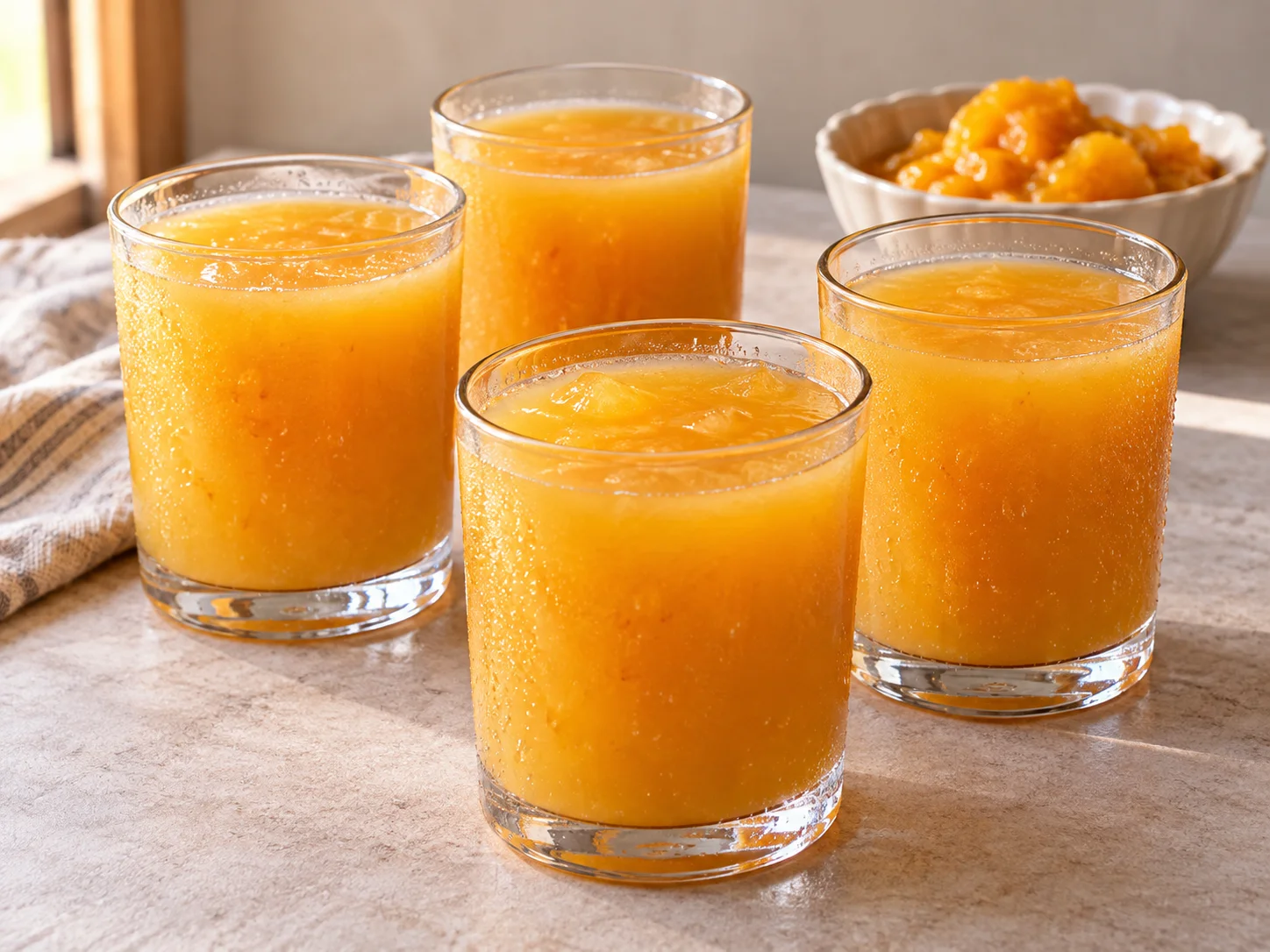
- Juices and drinks Madd is often transformed into a refreshing juice. Its pulp is diluted with water, filtered, and sweetened to taste. Ginger, mint, or lemon can be added.
- Sorbets and ice creams In cities, madd is used to make very popular homemade ice creams, especially during hot periods.
- Condiments and sauces In some preparations, its acidity is used to enhance a sauce or a marinade. It can accompany fish, meat, or grain dishes.
- Jams and syrups Its pulp can be cooked with sugar to create a thick jam or a fragrant syrup.
NUTRITIONAL VALUE
Madd offers several nutritional benefits. It provides: vitamin C, antioxidant compounds, fiber, water, organic acids responsible for its tangy taste, and various micronutrients depending on the degree of ripeness and pulp consumption. It is particularly interesting for: hydration, food freshness, vitamin intake, appetite stimulation, dietary variety. Of course, like any fruit, its exact nutritional value depends on the portion and preparation method. In sweetened juice, calories increase; consumed fresh, it remains relatively light.
SOCIAL AND ECONOMIC PLACE
Madd is not just a fruit for family consumption. It also has a real economic dimension. In many African markets, it is sold seasonally by women, young people, or small traders. It then constitutes a source of supplementary income. This commercial circulation shows its social value: it crosses villages and cities, it connects foraging to selling, it goes from nature to the market then to the table. Madd is therefore a food of the small daily economy. It is one of those African products that support both nutrition and local incomes.
CULTURAL SYMBOLISM
Madd has a strong symbolic charge. It refers to the season, natural availability, childhood, walks, markets, and popular knowledge. It is often associated with simplicity and authenticity. In a world where food products are increasingly standardized, madd recalls another way of eating: local, seasonal, variable, alive. It can also be a symbol of food heritage. Preserving knowledge of madd means preserving the memory of traditional culinary uses, local species, and popular distribution channels.
MADD IN CULINARY MODERNITY
Today, madd is experiencing new recognition in certain urban and gastronomic contexts. It is found in artisanal juices, reinterpreted desserts, associations with ginger, honey, or exotic fruits. Chefs and vendors innovate with this fruit to make it a more visible product. This modernization is interesting because it allows for renewed visibility for a fruit long considered purely “rustic” or “bush”. It shows that traditional African products can also be part of contemporary cuisines.
CONCLUSION
Madd, the fruit of Saba senegalensis, holds a unique and precious place in African cuisine. It is at once a wild fruit, a snack, a drink, a culinary ingredient, and a cultural symbol. Its tangy taste, natural origin, and versatility make it a food deeply rooted in African eating practices. It speaks of seasonality, foraging, markets, childhood, and transmission. In African cuisine, madd is not only appreciated for its taste. It is loved for what it represents: a direct relationship to the land, a collective memory, an accessible resource, and a living culinary identity. It is a humble fruit in appearance, but rich in meaning, uses, and history.
NA LA XEWAL BU BAAX = « may your meal be good »
© Photo credit: recettesafricaines.com. All rights reserved.
In the kitchen : Madd (saba senegalensis)
Recipes from the site to put your knowledge into practice:
Discover these cuisines at a restaurant
Explore our restaurant and caterer directories. Choose your destination and check the establishment’s menu to confirm which dishes are offered and available.
Continue exploring
Enjoy discovering ingredients and African cuisines? Join our newsletter. The illustrated PDF 10 sauces africaines incontournables is in French and is offered after confirming a subscription to the French or bilingual edition.