Gnamankoudji
West Africa
Understanding : Gnamankoudji
INTRODUCTION
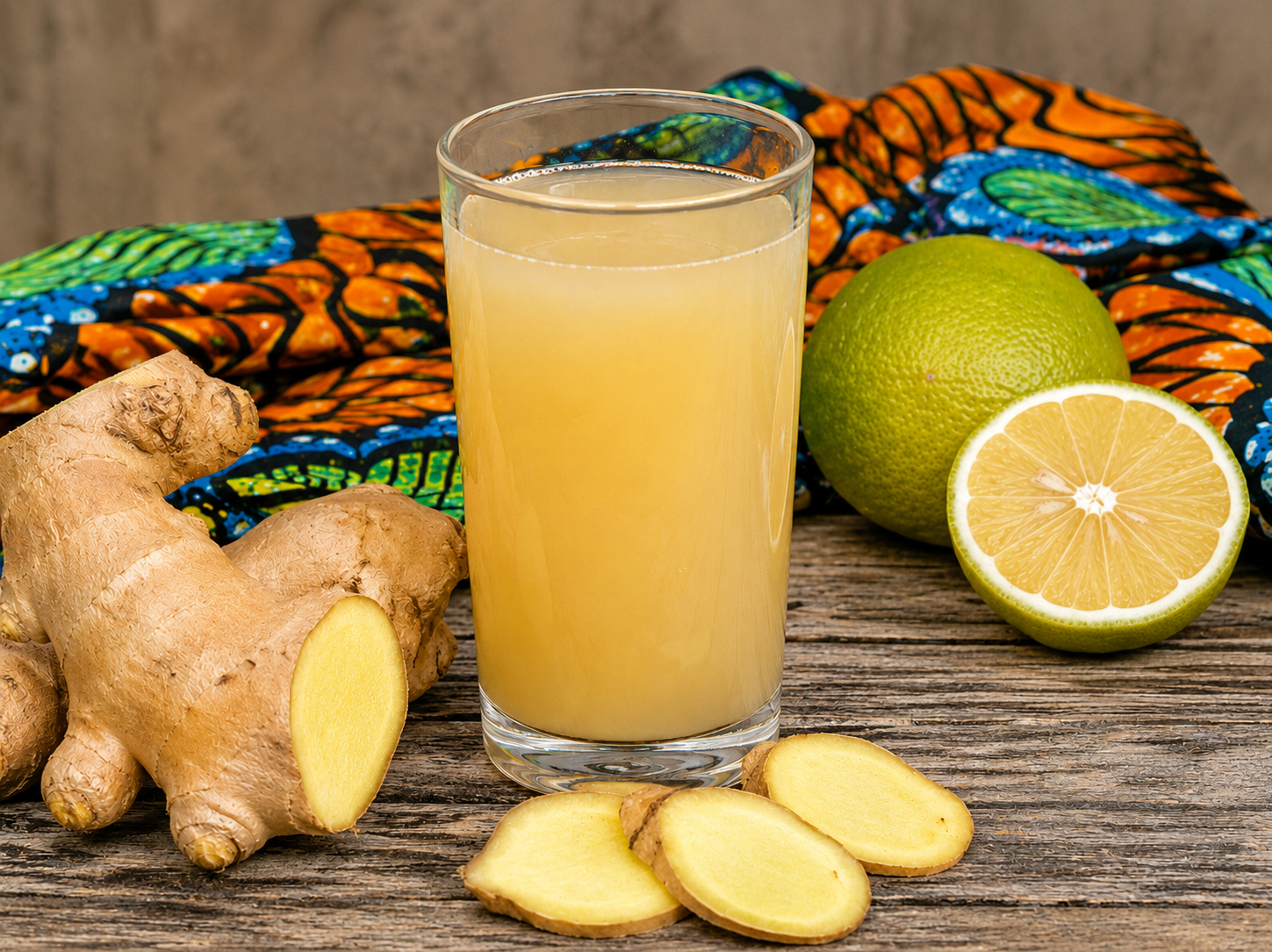
Gnamankoudji is an iconic African drink, very popular in West Africa, and particularly in Côte d'Ivoire and neighboring countries. It is a ginger-based drink, often prepared traditionally, served chilled, and known for its powerful, spicy, tangy, and refreshing taste. In African cuisine, gnamankoudji holds an important place because it is not just a thirst-quenching drink: it is also a product of conviviality, street culture, celebration, sharing, and cultural identity. It can be found in markets, maquis (local eateries), ceremonies, family meals, daily breaks, and even in some modern commercial circuits. To talk about gnamankoudji is to talk about ginger itself, its importance in African culinary traditions, and the creativity of the people who transform a simple rhizome into an emblematic drink. Ginger has long been a known spice in Africa, used in drinks as well as in sauces, marinades, infusions, home remedies, and certain dishes. Gnamankoudji highlights this root by combining it with water, lemon, sugar, and sometimes other flavors. The result is a very fragrant, energizing drink deeply rooted in West African food culture.
WHAT IS GNAMANKOUDJI?
Gnamankoudji is a drink made primarily from fresh ginger. Depending on the region and family, the recipe may include: pounded or blended ginger, water, lemon or lemon juice, sugar or honey, sometimes mint, sometimes pineapple, sometimes cloves, and sometimes other spices or fruits. Its taste is characterized by the spiciness of ginger, softened by sugar and balanced by the acidity of lemon. It is a drink that awakens the palate, provides a sensation of freshness, and leaves a slightly warming impression in the mouth. This contradiction between freshness and warmth is part of its charm.
A STREET AND HOMEMADE DRINK
Gnamankoudji is very often sold in the street, in bottles, sachets, cups, or reusable containers. It is one of those popular African drinks that circulate easily between homes, markets, and social gathering places. It is also prepared at home, especially when one wants to offer a traditional drink to guests or accompany a meal. Its presence in the street gives it a very popular dimension. It is accessible, inexpensive in many contexts, and appreciated by people of all ages. In African cities, it sometimes accompanies rice dishes, grilled meats, skewers, attiéké, sauces, or snacks sold by the roadside.
THE ROLE OF GINGER IN AFRICAN CUISINE
To understand the place of gnamankoudji, one must understand the place of ginger in African cuisine. Ginger is used in several African countries as a: condiment, marinade base, drink ingredient, therapeutic element, and cooking aromatic. It adds character to dishes. Its vivid and penetrating taste enhances sometimes simple preparations. In many African cultures, ginger is also associated with energy, internal warmth, digestion, and sometimes health. This is why ginger drinks are so popular. Gnamankoudji is therefore a particularly successful expression of this tradition. It takes a very common ingredient and transforms it into a strong cultural drink.
ORIGIN AND SPREAD
The word gnamankoudji is primarily associated with Côte d'Ivoire, where the drink is very well known. But very similar drinks exist in many African countries. Similar preparations can be found in Senegal, Mali, Burkina Faso, Togo, Benin, Ghana, Cameroon, and other regions of West and Central Africa. The names change, the recipes change, but the idea remains the same: a ginger drink, often lemony, sweet, and refreshing. This spread shows how much African cuisines share common logics while retaining their regional specificities. Gnamankoudji is not just an Ivorian drink; it is part of a broader heritage of African ginger drinks.
TEXTURE, TASTE, AND SENSATION
Gnamankoudji can be filtered or unfiltered. When well filtered, it is clear or slightly cloudy, with a pleasant liquid texture. When it contains more pulp or ginger fibers, it can be thicker, more rustic, and stronger in taste. Its taste is generally: spicy, lemony, sweet, refreshing, and very aromatic. The first impression is often one of freshness, followed by a rise in warmth due to the ginger. This sensation makes it a very popular drink in hot climates. It quenches thirst, stimulates, and leaves a lively impression.
PLACE IN AFRICAN MEALS
Gnamankoudji often accompanies rich, fatty, or spicy meals. It is served with dishes that need a fresh and powerful counterpoint. It can be drunk with: grilled meats, braised fish, spicy sauces, rice dishes, attiéké, or savory fritters. It plays a balancing role: it cleanses the palate, awakens the taste, and provides a sensation of lightness despite its aromatic strength.
A SYMBOL OF CONVIVIALITY
Like many traditional African drinks, gnamankoudji is a symbol of conviviality. Preparing it for guests is a sign of thoughtfulness. Serving it at a family meal or during a celebration shows the importance given to sharing. In weddings, baptisms, funerals, meetings, or celebrations, this type of drink has an important social function. It is also linked to the street and informal encounters. Buying gnamankoudji from a street vendor is participating in a local economy and a daily culture.
REGIONAL AND FAMILY VARIATIONS
Each family, each vendor, each city can have its own version of gnamankoudji. Differences relate to: the amount of ginger, the amount of sugar, the presence or absence of lemon, the addition of fruits, the degree of filtration, the color, or the intensity of the taste. Some versions are very strong and almost burning; others are milder and very refreshing. Some are prepared with pineapple to soften the taste; others with mint to enhance the sensation of freshness. This diversity is part of the drink's richness.
A DRINK PERCEIVED AS ENERGIZING
Gnamankoudji is often perceived as an energizing drink. Ginger is associated with vitality, stimulation, and sometimes digestive well-being. Many people consume it to feel awake, to cope with a moment of fatigue, or simply to enjoy its intense taste. In some cultures, it is also associated with traditional virtues: aiding digestion, warming the body, relieving certain discomforts, or supporting the body. These uses stem from both culinary tradition and popular knowledge.
A PLACE IN THE FOOD ECONOMY
Gnamankoudji is not just a domestic product. It is also a small economy. Its sale allows many women and small traders to generate income. There is often real expertise around its preparation and marketing: selection of ginger, sugar dosage, keeping it chilled, packaging, and presentation to the customer. In this sense, gnamankoudji belongs to popular and economic African cuisine, one that nourishes, refreshes, and provides livelihoods.
A DRINK BETWEEN TRADITION AND MODERNITY
Today, gnamankoudji is also entering more modern circuits. It is sometimes bottled, sold in cafes, served in restaurants, or presented as a premium artisanal drink. This evolution shows that the drink retains its traditional value while adapting to contemporary tastes. It can therefore be said that gnamankoudji has managed to stand the test of time without losing its identity. It remains popular because it is simple, good, recognizable, and deeply linked to the African taste for ginger.
CONCLUSION
Gnamankoudji is much more than a ginger drink. It is a major African drink, especially in West Africa, embodying freshness, strength, conviviality, and popular culinary expertise. Its place in African cuisine is important because it accompanies meals, refreshes the body, enlivens markets, supports small businesses, and carries a strong cultural identity. Through it, ginger becomes not only an ingredient but a symbol of taste, vitality, and heritage.
Prepare this speciality
Choose a detailed recipe, adjust the portions and prepare your ingredients before starting. Our cooking tips and food safety advice complement the steps described in the recipes.
Explore further: Cooking tips · Food hygiene and safety advice.
In my books

Continue exploring the continent’s cuisines with Africa at the Table — 54 countries, 54 iconic dishes, by Alioune FALL. This book is in English.
In the kitchen : Gnamankoudji
Recipes from the site to put your knowledge into practice:
Discover these cuisines at a restaurant
Explore our restaurant and caterer directories. Choose your destination and check the establishment’s menu to confirm which dishes are offered and available.
Continue exploring
Enjoy discovering ingredients and African cuisines? Join our newsletter. The illustrated PDF 10 sauces africaines incontournables is in French and is offered after confirming a subscription to the French or bilingual edition.