Braai
Southern Africa
Understanding : Braai
INTRODUCTION
The braai is much more than just a barbecue: it's a true culinary institution in Southern Africa, particularly in South Africa, Namibia, Botswana, Zimbabwe, and some neighboring regions. The word braai comes from Afrikaans and literally means "to grill" or "to roast over a fire." In practice, it refers to both the cooking method over wood fire or charcoal, the meal itself, and, more broadly, the social occasion surrounding it. The braai is a symbol of conviviality, sharing, celebration, and cultural diversity. In African cuisine, the braai holds an extremely important place because it brings together African, European, and mixed culinary traditions around a universal know-how: the slow cooking of meat over embers. However, in Southern Africa, the braai has acquired its own identity, with its codes, side dishes, cuts of meat, sauces, and rituals. It is as much a meal as it is a social experience. One doesn't just "eat" a braai, one participates in a braai.
WHAT IS A BRAAI?
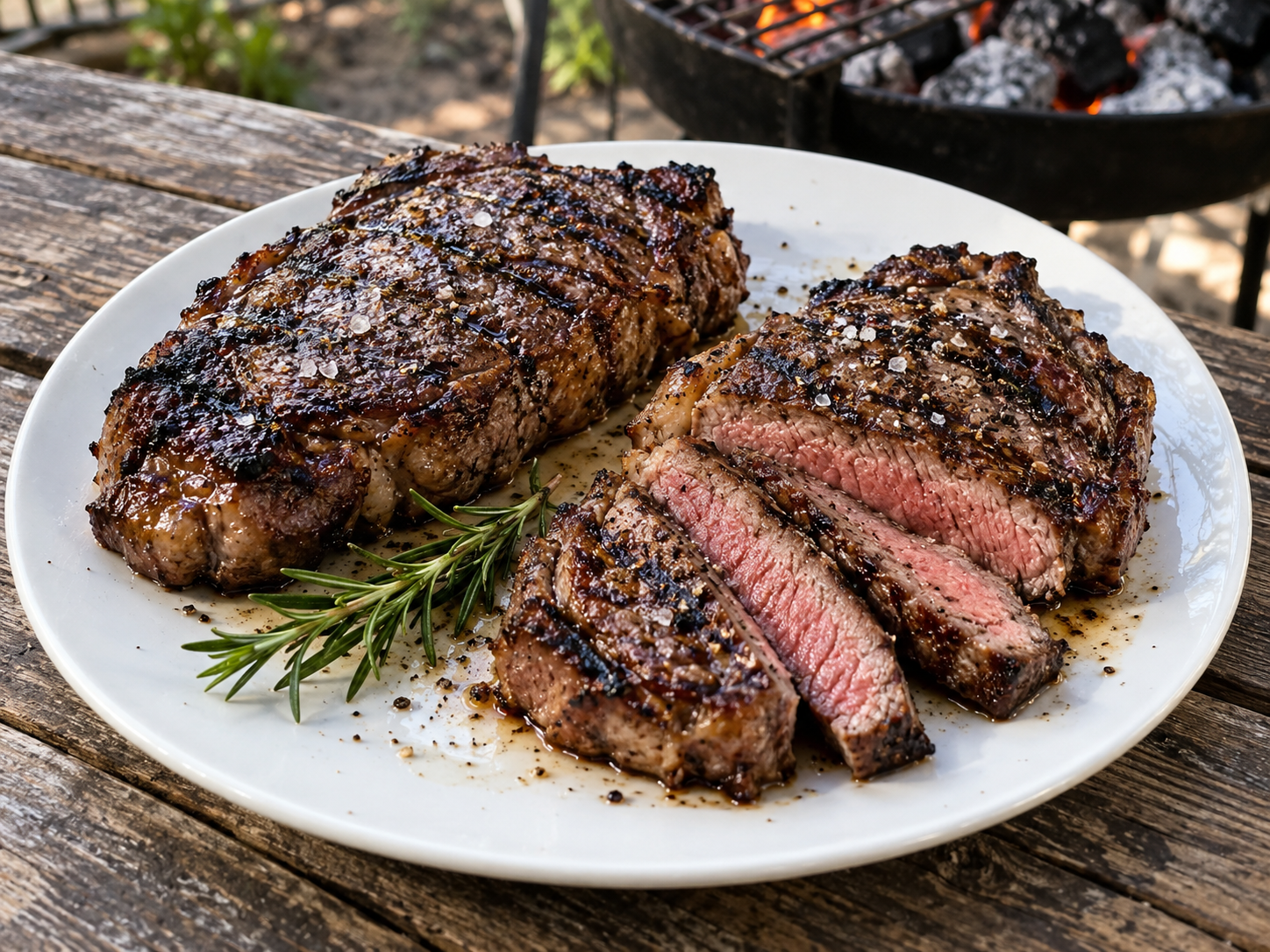
The braai is a cooking technique using hot embers or wood fire, over which meats, sausages, chicken, fish, sometimes vegetables, and even bread are grilled. Unlike a simple barbecue, the braai is often associated with a slower, more ceremonial, and more collective preparation. Cooking is generally done on a grill placed above the fire, but some variations use skewers, dishes, or closed grills. The most common foods in a braai are: • beef • lamb • mutton • boerewors sausages • chicken • chops • fish • grilled corn • vegetables • braaied bread The braai is often seasoned with simple marinades or local spices, to allow the flavor of the grilled meat to express itself.
ORIGINS AND HISTORY OF THE BRAAI
The braai is part of the culinary history of Southern Africa, where fire cooking is ancient and deeply rooted in food practices. Indigenous peoples of the region were already using fire to grill meat long before the arrival of Europeans. Over time, the influences of Dutch, British, Malay settlers and other communities mingled with local traditions, giving rise to what is now called the braai. The modern braai has become a particularly strong cultural symbol in South Africa, where it is celebrated as a common practice across different communities. It is not reserved for a specific ethnic group: it is part of a shared culinary identity. Over time, it has spread to other countries in the region and has established itself as a major element of contemporary African cuisine.
THE PLACE OF BRAAI IN AFRICAN CUISINE
The braai holds a central place in African cuisine for several reasons.
- An art of fire The braai represents one of the most emblematic uses of fire in cooking. Cooking over embers is an ancient technique, present in different forms in many regions of Africa.
- A social ritual The braai is not just culinary; it is social. It brings together family, friends, neighbors, and colleagues. It is a time for discussion, relaxation, and celebration.
- A symbol of modernity and tradition The braai illustrates the ability of African cuisine to preserve traditions while adapting them to modern contexts: urban homes, neighborhood parties, restaurants, or large events.
- A cuisine of sharing Like many African dishes, the braai is designed to be shared. It can feed a small group as well as a large assembly.
THE TASTE PROFILE OF THE BRAAI
The taste of the braai depends heavily on the fuel used, the type of meat, the cooking time, and the seasonings. Wood fire cooking gives a much-appreciated smoky flavor, while charcoal offers more stable heat and a well-marked crust. Braaied meats are generally: • crispy on the outside • juicy on the inside • smoky • flavored by marinades • slightly caramelized Grilled vegetables and corn bring a sweet, soft, and melting note.
TRADITIONAL BRAAI ACCOMPANIMENTS
The braai is often served with several typical accompaniments, which vary by country and family. Commonly found are: • pap or sadza (a thick porridge made from maize meal) • fresh salads • chakalaka (a spicy vegetable relish) • grilled corn • potatoes • bread • hot sauces • roasted vegetables • local cachupas (a stew of corn, beans, and meat or fish) in some regional variations Chakalaka, a spicy mix of vegetables and aromatics, is particularly associated with South African braais. Pap or sadza are very common maize-based staples in Southern Africa, which balance the richness of the grilled meat.
DRINKS THAT ACCOMPANY THE BRAAI
Since the braai is a convivial moment, drinks play an important role. Often served are: • beer • water • fruit juices • soft drinks • red wine • white wine • local craft beverages • iced tea depending on the context Beer is particularly associated with the relaxed atmosphere of braais, while juices and water are very suitable for family meals.
NUTRITIONAL BENEFITS OF BRAAI
The braai can be relatively balanced if lean meats and varied accompaniments are chosen. Main benefits • good source of protein • iron and zinc intake depending on the meat • rich in B vitamins • possibility of adding grilled vegetables • cooking without excess added fat The braai allows for the consumption of quality proteins while maintaining a relatively simple cuisine. Accompaniments like salads and vegetables increase the nutritional interest of the meal.
APPROXIMATE NUTRITIONAL VALUES
Nutritional values vary greatly depending on the meat used and the accompaniments. For an average portion of braai consisting of grilled meat and a simple accompaniment, one can estimate: • Calories: approximately 350 to 700 kcal • Proteins: 25 to 40 g • Fats: 15 to 35 g • Carbohydrates: 10 to 40 g depending on accompaniments • Fiber: 2 to 8 g • Salt: 1 to 2.5 g • Vitamins: especially B12, B6, niacin • Minerals: iron, zinc, phosphorus, selenium Nutritional detail • Proteins: very present in meat • Fats: depend on the cut and marinade • Carbohydrates: provided by pap, bread, or vegetables • Fiber: increases with salads and vegetables • Vitamin B12: important in red meats • Iron: particularly abundant in beef and lamb
REGIONAL VARIATIONS OF THE BRAAI
The braai varies across Southern African countries. South African Braai The best known, often accompanied by boerewors, pap, and chakalaka. Namibian Braai Very similar to the South African model, with local influences and great importance given to grilled meat. Botswanan Braai Often more family-oriented, with cuts of beef, goat, or lamb and simple accompaniments. Zimbabwean Braai May include various meats, grilled corn, and vegetables. Beach or Outdoor Braai A more informal version, very popular during outings and parties.
WHY IS THE BRAAI SO IMPORTANT IN AFRICAN CUISINE?
The braai is important because it unites essential elements of African food culture: • fire • sharing • meat • conviviality • local products • the link between tradition and modernity It also shows that African cuisine is not limited to stews and sauces. It also includes very sophisticated grilling and roasting techniques, carried by ancient and living traditions.
TIPS FOR A SUCCESSFUL BRAAI
- Use a well-controlled fire The embers should be stable and not too fierce.
- Choose good quality meat The quality of the meat is essential.
- Do not turn the meat too often This allows for better caramelization.
- Let it rest after cooking The juices redistribute better.
- Serve with fresh accompaniments This balances the meal.
- Season simply The meat should remain the focus.
CONCLUSION
The braai is an institution of African cuisine, particularly in Southern Africa. More than just a cooking method, it is a social, festive, and identity-forming practice. It brings families and communities together around the fire, while highlighting grilled meat, local accompaniments, and the spirit of sharing. Both traditional and modern, the braai remains one of the strongest symbols of African culinary culture.
ENJOY YOUR MEAL! Afrikaans : Smaaklike ete! = « bon repas » / « bon appétit » Anglais : Enjoy your meal! = « bon appétit » Zulu : Thokozela ukudla kwakho = « apprécie ton repas » Xhosa : Wonwabele ukutya kwakho = « profite de ton repas »
© Photo credit: recettesafricaines.com. All rights reserved.
Putting the technique into practice
Follow a detailed recipe when applying this technique. Quantities, equipment and cooking instructions depend on the preparation you choose.
Explore further: Cooking tips · Food hygiene and safety advice.
In my books

Continue exploring the continent’s cuisines with Africa at the Table — 54 countries, 54 iconic dishes, by Alioune FALL. This book is in English.
In the kitchen : Braai
Recipes from the site to put your knowledge into practice:
Discover these cuisines at a restaurant
Explore our restaurant and caterer directories. Choose your destination and check the establishment’s menu to confirm which dishes are offered and available.
Continue exploring
Enjoy discovering ingredients and African cuisines? Join our newsletter. The illustrated PDF 10 sauces africaines incontournables is in French and is offered after confirming a subscription to the French or bilingual edition.