Corn
Americas
Understanding : Corn
INTRODUCTION
Corn, also called maize, is one of the most important foods in the world, and it holds a particularly central place in African cuisine. Cultivated for centuries, it has become an essential staple food in many countries on the continent, including West Africa, Central Africa, East Africa, and Southern Africa. Its versatility, nutritional value, and ability to adapt to different climates have allowed corn to integrate deeply into African culinary traditions. In many African families, corn is not just a cereal: it is a symbol of daily sustenance, family sharing, and gastronomic heritage. Whether consumed as grains, flour, porridge, paste, pancakes, or boiled, corn is found in a multitude of traditional African recipes, often passed down from generation to generation.
Where to find it
African grocery shops and international food aisles are good starting points. Check which form the recipe needs: whole grain, flour, semolina or a precooked product. Cooking times vary.
Explore further: Cooking tips · Food hygiene and safety advice.
Search Amazon.fr — affiliate link →
Check availability and delivery on Amazon.fr. Compare ingredients, packaging and sellers.
As an Amazon Associate I earn from qualifying purchases.
History and uses
THE ORIGIN AND IMPORTANCE OF CORN IN AFRICA
Corn is not native to Africa. It was introduced to the continent after trade exchanges between the Americas, Europe, and Africa. However, despite this external origin, it was quickly adopted by African populations due to its high yield, ease of cultivation, and ability to feed large communities. Today, corn is one of the most widespread food crops in Africa. It is cultivated in rural areas as well as in some peri-urban areas, often on small family farms. Its place in African diet is explained by several factors: • it grows in varied climates; • it is economical; • it satisfies hunger quickly; • it can be prepared in many ways; • it stores relatively well as grains or flour. Corn is therefore much more than a simple food: it is a strategic food base for millions of people.
CORN IN TRADITIONAL AFRICAN CUISINES
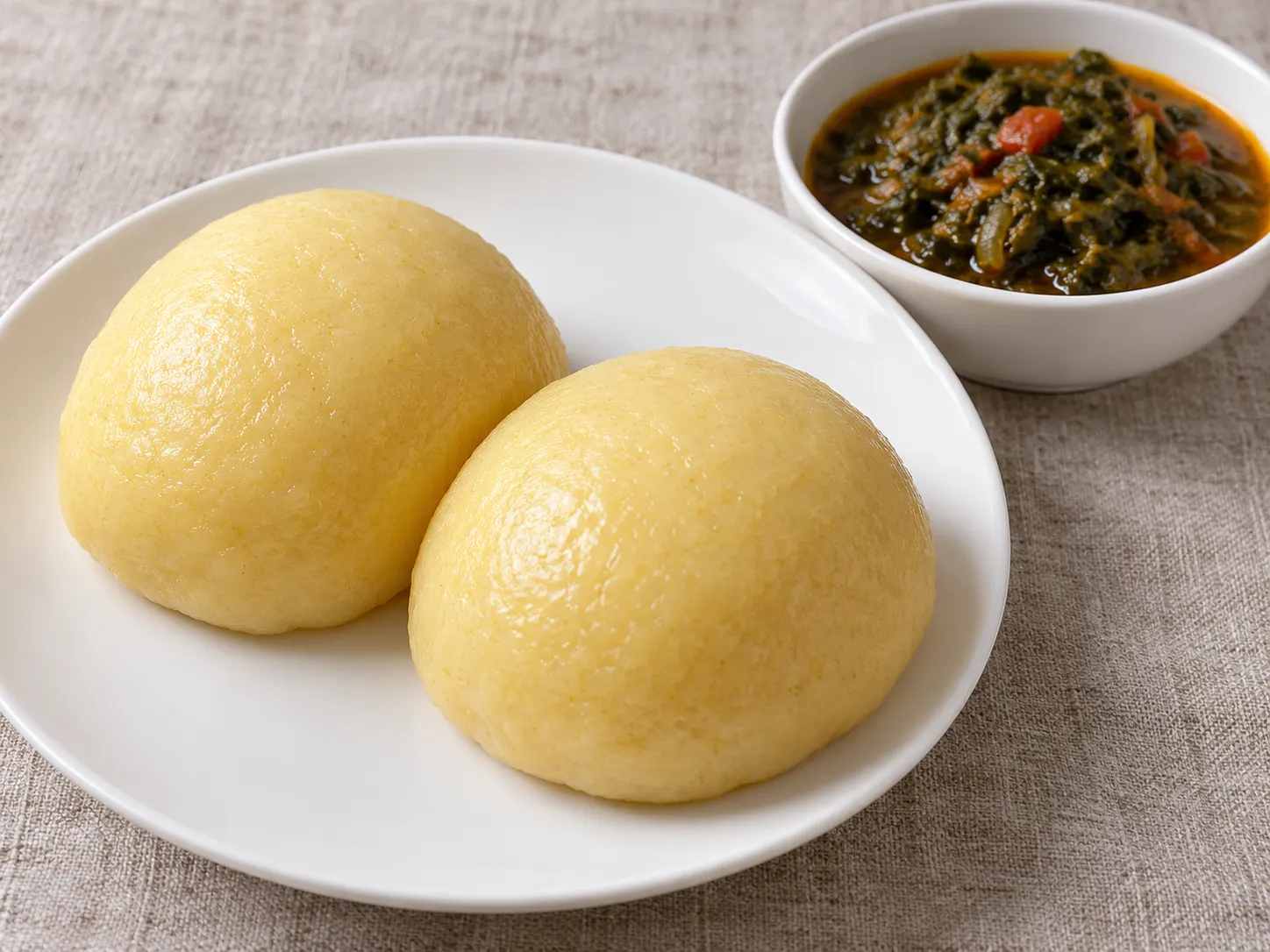
African cuisine is very diverse, but corn holds a common and important place in it. Depending on the region, it is prepared differently, with varied names, textures, and accompaniments. In West Africa In West Africa, corn is widely used in the form of porridge, paste, or pancakes. For example, we find: • akassa or akplé (a fermented corn paste); • corn porridge, often eaten for breakfast; • corn couscous in some local variations; • preparations of corn flour mixed with other cereals or tubers. These recipes are often served with sauces made from vegetables, fish, meat, or peanuts. Corn then becomes the base of a complete, nourishing, and balanced meal. In Central Africa In Central Africa, corn is also very present. It is transformed into corn fufu, paste, or thick porridge. It frequently accompanies leaf sauces, peanut sauces, okra, or smoked fish. In some regions, fritters or savory cakes made from corn flour are also prepared. In East Africa In East Africa, corn is often consumed as ugali (a firm paste) that accompanies vegetables, meat, beans, or sauces. Ugali is one of the emblematic dishes of several countries in the region. It is simple to prepare, nourishing, and economical, making it a staple food for many families. In Southern Africa In Southern Africa, similar preparations are found, such as pap, often made from corn flour. It is served with vegetables, grilled meats, or spicy sauces. Here again, corn is a pillar of the daily diet.
DIFFERENT FORMS OF CORN CONSUMPTION
Corn is appreciated in Africa for its great diversity of uses. It can be consumed in several ways:
- Corn on the cob It can be boiled, grilled, or roasted. Boiled corn is often sold on the street and eaten as a snack. Grilled corn, meanwhile, is very popular during warm seasons.
- Corn flour Corn flour is used to prepare pastes, porridges, fritters, pancakes, and traditional breads.
- Corn porridge Very common for breakfast, it can be sweet or savory depending on local customs. It is sometimes enriched with milk, ginger, sugar, or spices.
- Corn paste In the form of a thick paste, it accompanies African sauces. It is a very filling preparation that sometimes replaces rice or other starches.
- Processed products In some urban areas, corn is also used in modern products such as snacks, breads, biscuits, or semi-processed dishes.
In my books

Continue exploring the continent’s cuisines with Africa at the Table — 54 countries, 54 iconic dishes, by Alioune FALL. This book is in English.
Explore further
NUTRITIONAL VALUE OF CORN
Corn is an energy-rich food. It mainly contains complex carbohydrates, making it an excellent source of energy. It also provides: • dietary fiber; • B vitamins; • minerals such as magnesium, phosphorus, and potassium; • antioxidants depending on the variety; • an interesting caloric intake for people with high energy needs. Even if it alone does not replace a balanced diet, corn is a very useful base when combined with legumes, vegetables, fish, or meats. In African cuisine, this complementarity is essential. For example, corn is often served with beans, leaf sauces, okra, or peanuts, which improves the nutritional quality of the meal.
THE CULTURAL ROLE OF CORN IN AFRICAN CUISINE
Corn also has a strong cultural dimension. In many families, it is linked to childhood memories, communal meals, and culinary traditions. Some corn-based recipes are prepared during festivals, ceremonies, or family gatherings. Corn often symbolizes: • simplicity; • solidarity; • abundance; • local cuisine; • the link between generations. In villages as in cities, it remains associated with authentic, popular, and accessible cuisine. Its importance therefore goes beyond simple nutrition: it embodies a part of African culinary identity.
CORN IN MODERN AFRICAN CUISINE
Today, corn continues to evolve in modern African cuisine. Chefs, food bloggers, and amateur cooks revisit it with innovative recipes while respecting traditional flavors. We now find: • corn gratins; • salads made with sweet corn; • muffins or cakes inspired by African recipes; • corn soups; • modernized fritters; • fusion recipes combining African corn and international techniques. This modernization shows that corn is not an ingredient of the past. On the contrary, it continues to inspire contemporary African cuisine and adapt to new consumption patterns.
WHY CORN REMAINS A PILLAR OF AFRICAN CUISINE
The success of corn in Africa is based on several reasons: • accessibility: it is relatively inexpensive; • versatility: it can be cooked in many ways; • satiety: it provides a feeling of a complete meal; • tradition: it is rooted in many local recipes; • adaptability: it integrates into modern as well as traditional dishes. For all these reasons, corn remains a central ingredient in African households. It is present in simple daily meals as well as in more elaborate dishes.
AFRICAN CORN-BASED RECIPE: a living heritage Talking about corn in African cuisine also means evoking the immense heritage of recipes that surround it. Each country, each ethnic group, sometimes each family, has its own way of preparing it. This culinary richness makes corn a true meeting point between African cultures. Corn is therefore a humble but essential food, capable of nourishing, gathering, and telling the story of peoples. It connects the traditions of the past with current culinary practices. Its presence in African cuisine perfectly illustrates how an ingredient can become a major cultural symbol.
CONCLUSION
Corn holds a fundamental place in African cuisine. Present in multiple forms, it is both a staple food, a traditional ingredient, and a medium for culinary creativity. Its importance is not limited to its nutritional contribution: it is an integral part of the continent's gastronomic identity. Whether as porridge, paste, boiled grains, flour, or in modernized recipes, corn remains a pillar of African cuisine. It embodies the diversity, resilience, and richness of African culinary traditions.
ENJOY YOUR MEAL! © Photo credit: recettesafricaines.com. All rights reserved.
In the kitchen : Corn
Recipes from the site to put your knowledge into practice:
Discover these cuisines at a restaurant
Explore our restaurant and caterer directories. Choose your destination and check the establishment’s menu to confirm which dishes are offered and available.
Continue exploring
Enjoy discovering ingredients and African cuisines? Join our newsletter. The illustrated PDF 10 sauces africaines incontournables is in French and is offered after confirming a subscription to the French or bilingual edition.