Dolo
Burkina Faso
Understanding : Dolo
INTRODUCTION
Dolo is an emblematic traditional drink from Burkina Faso, highly appreciated in several West African countries. Made from millet, sorghum, or sometimes other local cereals, dolo holds a special place in African dietary habits, social ceremonies, and culinary traditions. Much more than just a fermented drink, dolo is a symbol of conviviality, sharing, cultural heritage, and ancestral know-how. In African cuisine, dolo represents the perfect balance between food, culture, and identity. Its preparation, often artisanal, transmits precious techniques from generation to generation that illustrate the richness of African gastronomic heritage. This drink is consumed in homes, during traditional festivals, weddings, funerals, religious ceremonies, and community gatherings. Dolo is therefore both a nourishing drink and a central element of Burkinabe social life.
Prepare this speciality
Choose a detailed recipe, adjust the portions and prepare your ingredients before starting. Our cooking tips and food safety advice complement the steps described in the recipes.
Explore further: Cooking tips · Food hygiene and safety advice.
History and uses
ORIGIN AND HISTORY OF BURKINABE DOLO
Dolo has its roots in the ancient traditions of West African peoples. In Burkina Faso, it is particularly linked to rural communities that have long developed cereal agriculture adapted to Sahelian climates, notably millet and sorghum. These cereals form the basis of many local preparations, and dolo is one of its most well-known expressions. Historically, dolo was prepared at home by women, according to orally transmitted methods. Its production primarily met dietary and social needs: to provide a refreshing, slightly alcoholic drink, accessible and made from local resources. Over time, dolo became a reference drink in several regions of Burkina Faso, but also in other countries like Mali, Côte d'Ivoire, Benin, Togo, or Ghana, sometimes under different names. The history of dolo illustrates African culinary ingenuity. In environments where access to industrial beverages was limited, populations managed to create a nourishing, economical drink adapted to their way of life. Even today, dolo remains an important cultural marker and a symbol of continuity between tradition and modernity.
WHAT IS DOLO?
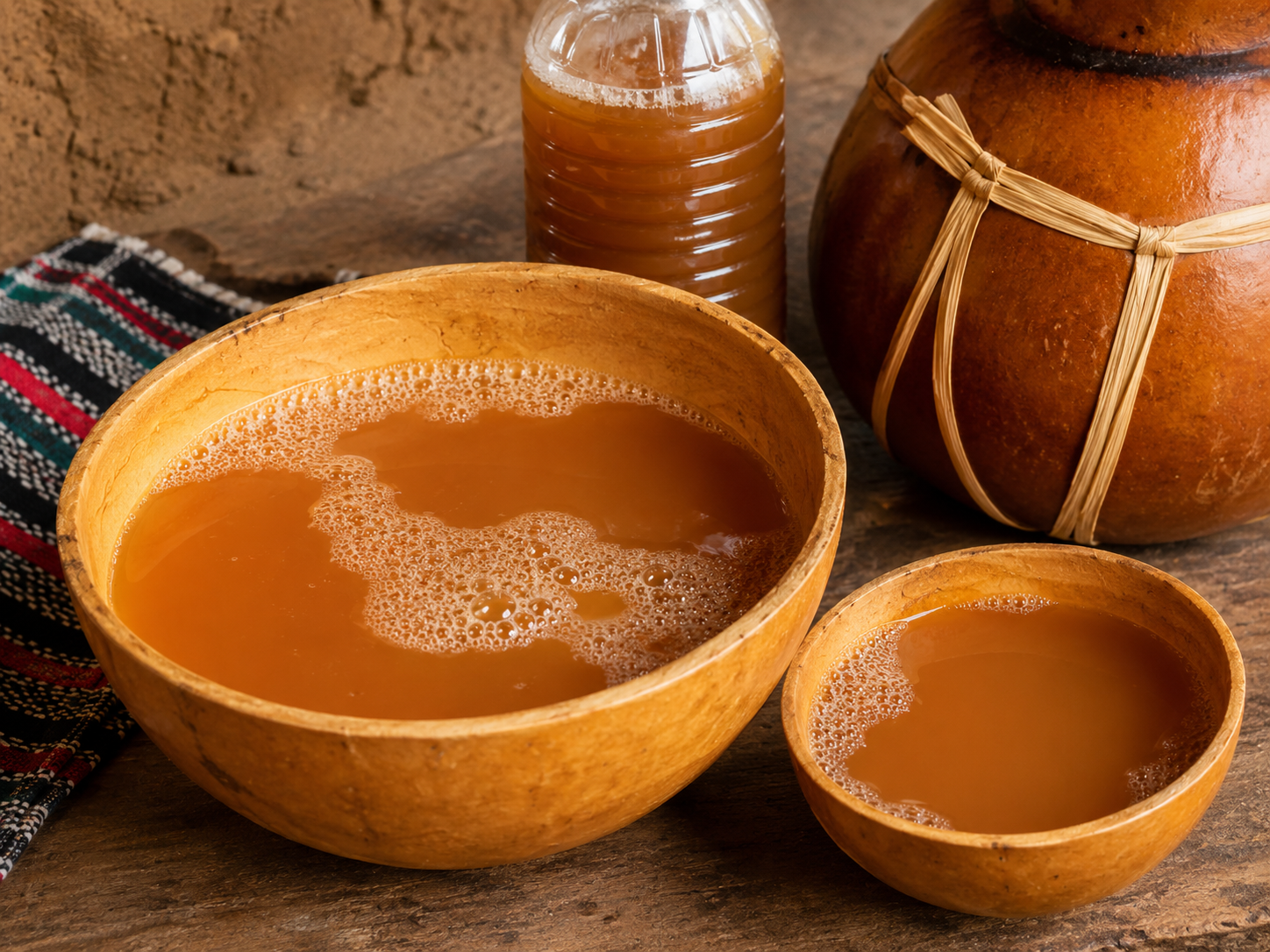
Dolo is a traditional fermented drink obtained from cereals, mainly red sorghum or millet. Depending on the recipes and regions, its color, taste, and alcohol content can vary. It is generally a slightly acidic, bittersweet, refreshing, and sometimes sparkling drink depending on the degree of fermentation. In some localities, dolo is considered a “living” drink because it evolves rapidly after preparation. It often needs to be consumed quickly to retain its taste and qualities. It can be served warm or cool, in calabashes, bowls, or large containers, according to local traditions. Dolo is not just an alcoholic beverage; it also has high nutritional value. Made from cereals, it contains interesting energy elements and is one of the traditional drinks that sometimes accompany meals or long working days.
THE TRADITIONAL PREPARATION OF DOLO
The making of Burkinabe dolo is a long and meticulous process. It requires patience, experience, and mastery of fermentation techniques. The steps can vary depending on families and regions, but generally include the following phases:
- Soaking the grains: Millet or sorghum is first cleaned then soaked in water.
- Germination: The grains are left to germinate, which allows the necessary enzymes to develop.
- Drying and grinding: Once germinated, the grains are dried and then processed into flour.
- Cooking the wort: The flour is mixed with water and cooked to obtain a thick base.
- Fermentation: The mixture is left to ferment naturally, which gives birth to dolo.
- Filtration and serving: The drink is filtered before being served. This traditional know-how is part of the richness of African cuisine. Fermentation, in particular, is a very old process that transforms simple cereals into drinks and foods with high cultural value. Dolo is thus the expression of a gastronomy that intelligently transforms local resources.
THE TASTE AND CHARACTERISTICS OF DOLO
The taste of dolo varies according to the cereals used, the fermentation time, and the producer's expertise. It can be: • slightly acidic, • sweet and cereal-like, • more or less bitter, • lightly alcoholic or more pronounced. Its texture is often slightly cloudy, as it is an artisanal, non-industrialized drink. This authenticity contributes to its charm and popularity. Dolo is appreciated for its natural character and freshness, especially in the hot areas of Burkina Faso.
In my books

Continue exploring the continent’s cuisines with Africa at the Table — 54 countries, 54 iconic dishes, by Alioune FALL. This book is in English.
Explore further
DOLO IN BURKINABE CULTURE
In Burkina Faso, dolo is much more than a drink: it is an element of Burkinabe culture. It accompanies many events of daily and festive life. In villages as in some cities, places where dolo is sold, often called “cabarets” or traditional spaces, are places for meeting, exchange, and relaxation. Dolo is often associated with: • hospitality, • celebration, • traditional rituals, • family gatherings, • customary ceremonies, • community meals. In several communities, offering dolo to a guest is a sign of respect and welcome. This drink thus reflects fundamental values of African society: sharing, solidarity, and conviviality.
THE PLACE OF DOLO IN AFRICAN CUISINE
In African cuisine, dolo holds a special place among traditional fermented drinks. Africa has a great culinary diversity, and local drinks play an important role. Dolo is part of this diversity alongside other cereal-based preparations, such as sorghum or millet beers found in several African countries. Its importance is due to several reasons:
- A drink made from local resources Dolo highlights African cereals adapted to arid climates. It shows how African cuisine relies on local, resilient, and nutritious products.
- Ancestral know-how The preparation of dolo is part of a culinary tradition passed down from generation to generation. This makes it a living gastronomic heritage.
- A social drink In many African cultures, eating and drinking are collective acts. Dolo contributes to this social dimension of food.
- A culinary identity Dolo is a symbol of identity for many communities. It recalls the importance of traditional recipes in preserving African heritage.
- A common and festive consumer product Dolo is both an everyday drink and a celebratory drink. This versatility strengthens its place in African gastronomy.
DOLO AND AFRICAN GASTRONOMY: a heritage to be valued African gastronomy is rich, varied, and deeply linked to territories, seasons, and customs. Dolo is a heritage drink that deserves to be better known and valued. In a context where world cuisines are gaining visibility, traditional African drinks like dolo represent an opportunity to highlight local knowledge. Dolo can be paired with many African dishes: • grilled meats, • millet-based dishes, • local sauces, • tô, • traditional rice, • spicy stewed dishes. Its role is not limited to accompanying meals. It also contributes to the atmosphere of community meals, where food and drink become vectors of social connection.
NUTRITIONAL VALUE AND INTEREST OF DOLO
Because it is made from cereals, dolo can have certain nutritional benefits. It provides energy and contains elements resulting from fermentation. In rural societies, it has long been an accessible and nutritionally useful drink. However, like any fermented alcoholic beverage, its consumption should remain moderate. It is important to distinguish its cultural and nutritional value from its alcohol-related effects when it is heavily fermented.
DOLO, TRADITION AND MODERNITY
Today, dolo faces several challenges: industrialization of beverages, changing eating habits, and transformation of lifestyles. Despite this, it remains very present in popular uses. There is even a renewed interest in traditional African products, particularly in the areas of culinary tourism, heritage promotion, and local economy. Dolo can become a valued product in: • African restaurants, • cultural festivals, • gastronomic events, • the promotion of African intangible heritage. Its promotion helps to make known the richness of African cuisine and to support local know-how, especially that of women who often ensure its production.
CONCLUSION
Burkinabe dolo is much more than a simple traditional drink: it is a strong symbol of African cuisine, Burkinabe culture, and the culinary heritage of West Africa. Made from local cereals, prepared according to ancient know-how, and shared during important moments of social life, dolo embodies the values of conviviality, transmission, and authenticity. In the great mosaic of African cuisine, dolo occupies a unique place. It reminds us that African gastronomy is not limited to solid dishes, but also includes traditional fermented drinks that tell the story of peoples, their resources, their agricultural practices, and their traditions. By valuing dolo, we also value an essential part of African identity.
ENJOY YOUR MEAL! © Photo credit: recettesafricaines.com. All rights reserved.
In the kitchen : Dolo
Recipes from the site to put your knowledge into practice:
Discover these cuisines at a restaurant
Explore our restaurant and caterer directories. Choose your destination and check the establishment’s menu to confirm which dishes are offered and available.
Continue exploring
Enjoy discovering ingredients and African cuisines? Join our newsletter. The illustrated PDF 10 sauces africaines incontournables is in French and is offered after confirming a subscription to the French or bilingual edition.