Oil Palm
West and Central Africa
Understanding : Oil Palm
INTRODUCTION
The oil palm is a tropical plant of major importance in Africa, both economically, culturally, and culinarily. Present in many regions of the continent, it provides palm oil, an essential ingredient in the preparation of numerous traditional African dishes. Much more than a simple agricultural crop, the oil palm is a central element of rural life, daily diet, and gastronomic traditions. In several African countries, it is at the heart of family economies, local know-how, and recipes passed down from generation to generation.
In this detailed article on the oil palm and its place in African cuisine, we will explore its origin, botanical characteristics, its role in tropical agriculture, its food uses, its nutritional value, its cultural importance, and the issues related to its production.
Where to find it
Look for the exact food-grade form required by the recipe at markets and specialist shops. Check the product name, ingredients, condition and storage instructions.
Explore further: Cooking tips · Food hygiene and safety advice.
History and uses
WHAT IS THE OIL PALM?
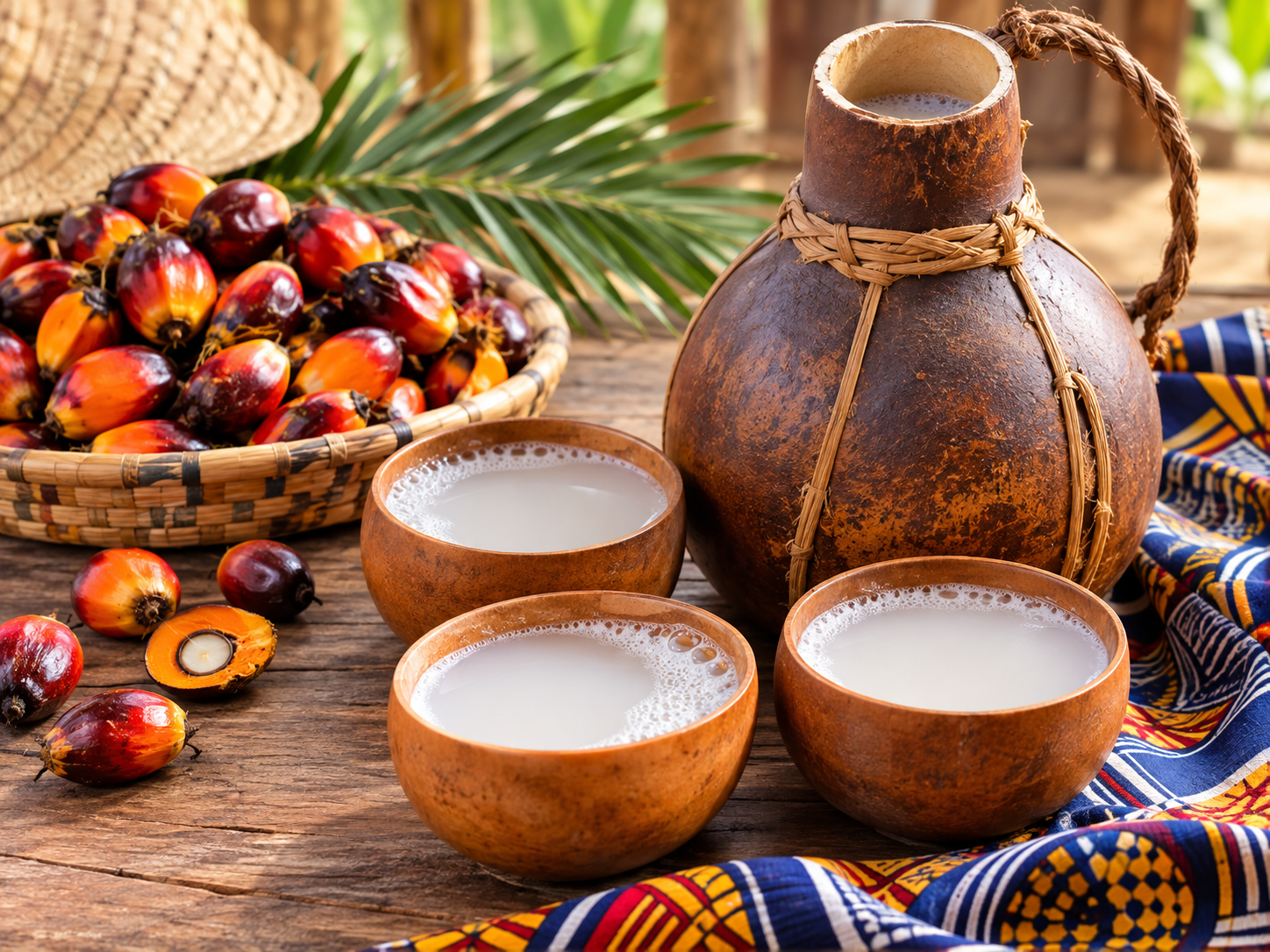
The oil palm is a tropical plant of the Arecaceae family, cultivated primarily for its fruits from which palm oil is extracted. Its most well-known scientific name is Elaeis guineensis, a species native to West and Central Africa, later widely spread to other tropical regions. An African plant with high economic value Contrary to what some believe, the oil palm is deeply linked to African agricultural history. Before its global expansion, it already grew naturally in several wetland areas of the continent. It has been used for centuries by local populations for food, traditional medicine, and crafts. A tree with multiple products The oil palm does not only provide oil. Its fruits, kernel, leaves, and sometimes its trunk can also be used. This makes it a versatile plant, integrated into various domestic and economic uses.
CHARACTERISTICS OF THE OIL PALM
The oil palm is a plant of hot and humid climates, which grows particularly well in tropical zones. A robust tropical tree It can reach an impressive size and produce large bunches of red or orange fruits. These fruits are rich in oil, which explains their commercial value. Favorable growing conditions in Africa The oil palm thrives in fertile, humid, and well-drained soils. Several African countries have ideal natural conditions for its cultivation. A long-term crop Once planted, the oil palm can produce for many years, making it an attractive crop for family and commercial farms.
PALM OIL: THE HEART OF AFRICAN CUISINE
One of the most well-known products of the oil palm is palm oil. It holds a central place in African cuisine. A very recognizable red oil Crude palm oil is distinguished by its reddish-orange color, due to its richness in carotenoids. This color gives dishes an appetizing and typical appearance. A basic ingredient in many dishes In Africa, palm oil is used to cook soups, sauces, stews, vegetables, fish, meats, and starches. It adds flavor, color, and a particular texture to preparations. A strong link with culinary traditions In many families, palm oil is essential for preparing emblematic traditional dishes. It is often associated with festive recipes, family meals, and identity-defining foods. Major culinary uses of oil palm in Africa The oil palm plays a major role in the diet of many African countries. In sauces and soups Palm oil is frequently used in red sauces, vegetable soups, leaf sauces, and simmered dishes. It brings a rich taste and depth of flavor. In festive dishes In several regions, certain festive dishes cannot be conceived without palm oil. It is associated with generosity, sharing, and celebration. With local products Palm oil often accompanies local products such as cassava, yams, plantains, taro, beans, or corn. It enhances the value of everyday starches and vegetables.
In my books

Continue exploring the continent’s cuisines with Africa at the Table — 54 countries, 54 iconic dishes, by Alioune FALL. This book is in English.
Explore further
EXAMPLES OF AFRICAN CUISINES USING PALM OIL
Palm oil is present in many African culinary traditions. West Africa In countries like Nigeria, Benin, Togo, Ghana, and Cameroon, palm oil is an essential ingredient in many recipes. Central Africa In the Democratic Republic of Congo, Central African Republic, Congo-Brazzaville, and Gabon, it is used in sauces, vegetables, and staple dishes. Southern and East Africa Even if its use is sometimes less dominant, the oil palm remains present in certain regional or commercial preparations.
NUTRITIONAL VALUE OF PALM OIL
Palm oil is rich in energy and certain nutrients. A source of energy Like all vegetable oils, it provides a lot of energy. This makes it a useful food in diets where caloric needs are high. Carotenoids Red palm oil contains carotenoids, precursors of vitamin A. This richness gives it significant nutritional value, especially when consumed in moderation. Fatty acids It also contains saturated and unsaturated fatty acids, which explains the nutritional debates surrounding it. Its use must therefore be part of a balanced diet.
THE OIL PALM IN THE AFRICAN ECONOMY
The oil palm is not only useful in cooking. It also plays an important economic role. A cash crop For many rural families, the sale of palm fruits or palm oil constitutes an essential source of income. Artisanal and industrial activity The processing of oil palm can be artisanal, semi-industrial, or industrial. It creates jobs in harvesting, pressing, marketing, and transport. A strategic sector In several countries, the oil palm sector is strategic for local development, even if it needs to be better regulated environmentally and socially.
CULTURAL AND SYMBOLIC DIMENSIONS OF THE OIL PALM
The oil palm also has a place in African culture. A useful and respected tree In some communities, the palm tree is perceived as a generous tree, providing food, oil, and materials. It symbolizes abundance and continuity. Presence in ceremonies and traditions Palm oil sometimes enters into rituals, ceremonial preparations, or community meals, which reinforces its symbolic value. A culinary memory Its presence in family recipes makes it a strong marker of African food identity. Challenges related to oil palm production Despite its advantages, oil palm cultivation also poses challenges. Environmental issues The expansion of plantations can lead to deforestation, loss of biodiversity, and pressure on agricultural land. Social issues The sector must ensure respect for small producers, working conditions, and the equitable distribution of benefits. The need for sustainability The future of oil palm in Africa depends on more sustainable management, capable of reconciling production, environment, and local traditions.
CONCLUSION
The oil palm is an essential plant in African cuisine and in the economy of many countries on the continent. It provides palm oil, a central ingredient in many traditional recipes, while playing a role in rural life, culture, and trade. Its importance extends far beyond the culinary sphere: it is a symbol of wealth, know-how, and identity. In African gastronomy, the oil palm represents a link between the land, the family, and the table. It perfectly illustrates how Africa transforms its natural resources into living food heritage.
© Photo credit: recettesafricaines.com. All rights reserved.
In the kitchen : Oil Palm
Recipes from the site to put your knowledge into practice:
Discover these cuisines at a restaurant
Explore our restaurant and caterer directories. Choose your destination and check the establishment’s menu to confirm which dishes are offered and available.
Continue exploring
Enjoy discovering ingredients and African cuisines? Join our newsletter. The illustrated PDF 10 sauces africaines incontournables is in French and is offered after confirming a subscription to the French or bilingual edition.