Sishwala
Eswatini
Understanding : Sishwala
INTRODUCTION
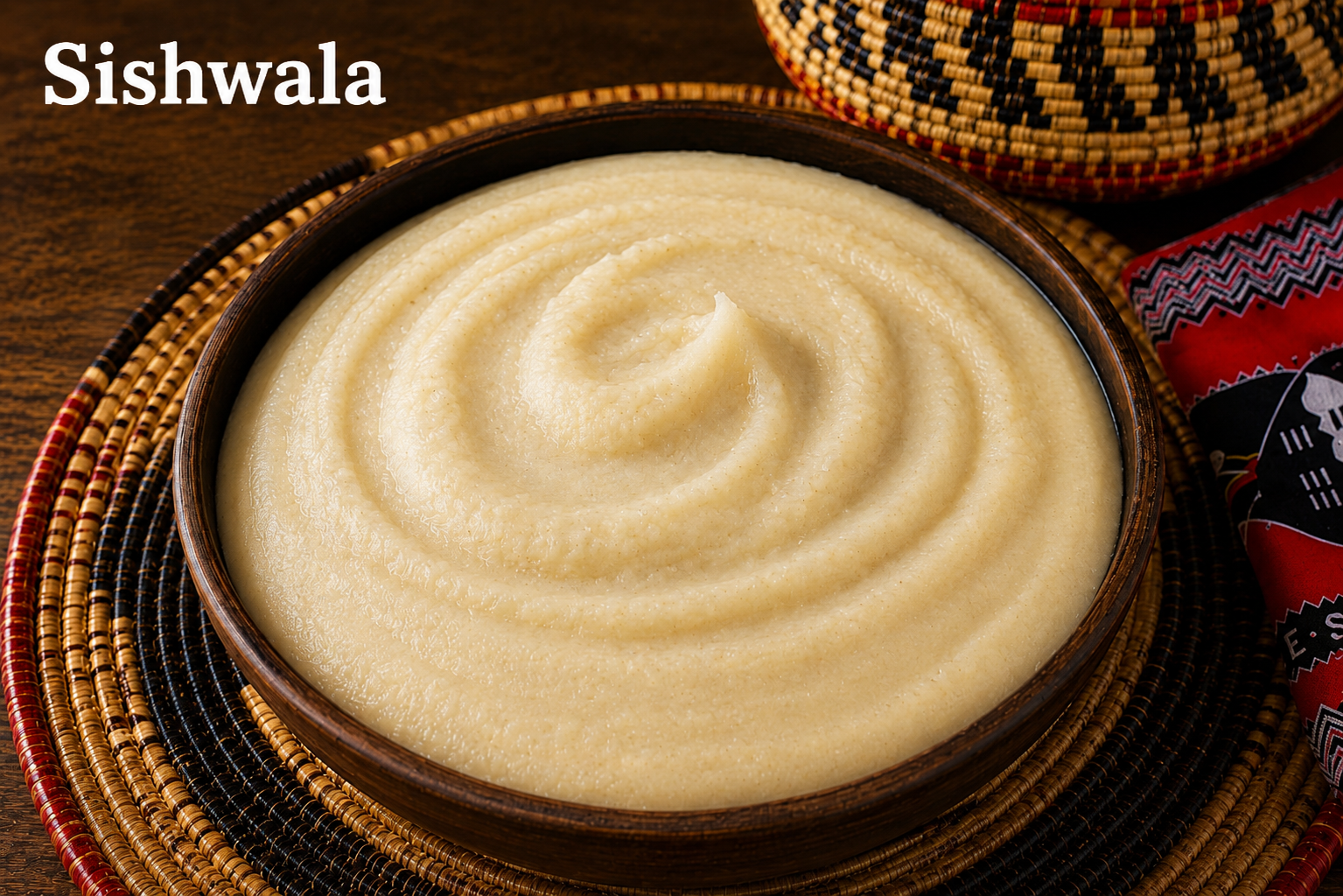
Sishwala is one of the most important and representative dishes of Eswatini cuisine. A preparation made from cornmeal cooked in water until it forms a thick, nourishing, and comforting porridge, sishwala holds a central place in the daily diet of many families in the kingdom. It is often eaten with vegetables, meat, sauces, or fermented milk like emasi, making it a fundamental element of home and traditional cooking. In this detailed article on sishwala and its place in African cuisine, we will explore its origin, ingredients, preparation, social uses, nutritional value, its importance in households, and its role in Eswatini's culinary identity. Sishwala perfectly represents the logic of African cuisines: simple, local, accessible products deeply linked to a communal way of life.
Prepare this speciality
Choose a detailed recipe, adjust the portions and prepare your ingredients before starting. Our cooking tips and food safety advice complement the steps described in the recipes.
Explore further: Cooking tips · Food hygiene and safety advice.
History and uses
WHAT IS SISHWALA?
Sishwala is a thick corn porridge very common in Eswatini. It resembles other cereal-based preparations found in many parts of Southern Africa. A staple food Sishwala is above all an energy food. It is prepared from cornmeal and water, sometimes with a little salt. Its texture can vary according to preference: more fluid, more compact, or very thick. A traditional preparation It is one of the daily dishes, prepared in households to feed the family simply and economically.
THE ORIGIN OF SISHWALA
Sishwala is part of a long African culinary tradition based on cereals. A local agricultural base Corn is an important crop in many parts of Southern Africa. Its transformation into porridge or thick paste has made it possible to create nourishing dishes adapted to the needs of the populations. Transmitted know-how The way sishwala is prepared is passed down from generation to generation. The gestures, proportions, and serving habits are part of the domestic heritage. A dish linked to daily life Sishwala has long been a survival food, then a pillar of family nutrition. Today, it remains a symbol of simplicity and continuity.
SISHWALA INGREDIENTS
Sishwala relies on few ingredients, but their combination is essential. Cornmeal It is the main element. Depending on the desired texture, a finer or coarser flour can be used. Water Water is used to cook the flour and transform the preparation into a thick porridge. Salt Sometimes added in small quantities, it slightly enhances the taste. Accompaniments Sishwala is rarely eaten alone. It is often accompanied by emasi (fermented milk), vegetables, meat, or sauces.
HOW IS SISHWALA PREPARED?
The preparation of sishwala is simple but requires attention. Basic cooking First, heat water in a pot. Then, gradually add the cornmeal while stirring to avoid lumps. Thickening As it cooks, the mixture becomes denser and denser. Continue stirring until the desired consistency is achieved. Finishing Sishwala can be left more or less firm depending on its use. It is then served hot.
THE PLACE OF SISHWALA IN AFRICAN CUISINE
Sishwala holds an important place in African cuisine, especially in Southern Africa. A cereal-based cuisine In many African regions, cereals are the basis of the diet. Sishwala illustrates this tradition. A dish shared with other cultures Similar preparations are found in several African countries, showing culinary continuity between different regions of the continent. A daily cuisine Sishwala is representative of the simple, nourishing, and family meals that structure African cuisine.
In my books

Continue exploring the continent’s cuisines with Africa at the Table — 54 countries, 54 iconic dishes, by Alioune FALL. This book is in English.
Explore further
SISHWALA AND EMASI
One of the most traditional pairings is sishwala with emasi. A classic combination Sishwala and emasi form a highly appreciated culinary duo in Eswatini. A balance of texture and taste The sweetness of the corn porridge and the acidity of the fermented milk create a pleasant contrast. A complete traditional meal Together, they constitute a simple, nourishing meal deeply rooted in local culture.
NUTRITIONAL VALUE OF SISHWALA
Sishwala is valued for its nutritional function. Source of energy Corn provides essential carbohydrates for daily energy. Satiating food Its thick texture helps to curb hunger and provide a feeling of fullness. Base for a balanced meal As it is often served with vegetables, meat, or fermented dairy products, it can be part of a more complete diet.
SISHWALA IN FAMILY LIFE
Sishwala is a household dish. A meal for everyone It can be prepared in large quantities to feed the whole family. A daily habit In many households, it is one of the most regular foods. A cuisine of transmission Children learn about sishwala very early, which reinforces its role in culinary memory.
SISHWALA IN SWAZI CULTURE
Sishwala is not just food; it is also an identity marker. A symbol of simplicity It represents a cuisine without artifice, based on the essential. A link with the land As it depends on corn, it is linked to agriculture, harvests, and the work of rural families. A living tradition Sishwala continues to be consumed today, which shows the strength of Eswatini's food traditions.
VARIATIONS AND ACCOMPANIMENTS OF SISHWALA
Sishwala can be served in several ways. With vegetables Green leaves, cooked vegetables, or sauces can accompany it. With meat It can also be served with meat preparations, especially during richer meals. With fermented milk The association with emasi remains one of the most emblematic. Sishwala facing modernity Like other traditional African dishes, sishwala is evolving. Influence of industrial products Eating habits are changing with the arrival of new products and faster consumption patterns. Preservation of culinary heritage It is important to preserve the traditional preparation of sishwala to maintain local food memory. Cultural valorization Sishwala can also be presented in efforts to promote African gastronomy.
CONCLUSION
Sishwala is much more than just corn porridge. It is a fundamental food in Eswatini cuisine, a symbol of daily life, and an important element of African cuisine. Nourishing, economical, simple to prepare, and deeply linked to family traditions, it embodies how African cuisines transform local products into essential and identity-defining meals.
In the kitchen : Sishwala
Recipes from the site to put your knowledge into practice:
Discover these cuisines at a restaurant
Explore our restaurant and caterer directories. Choose your destination and check the establishment’s menu to confirm which dishes are offered and available.
Continue exploring
Enjoy discovering ingredients and African cuisines? Join our newsletter. The illustrated PDF 10 sauces africaines incontournables is in French and is offered after confirming a subscription to the French or bilingual edition.