Djerma
Niger
Understanding : Djerma
🌾 INTRODUCTION
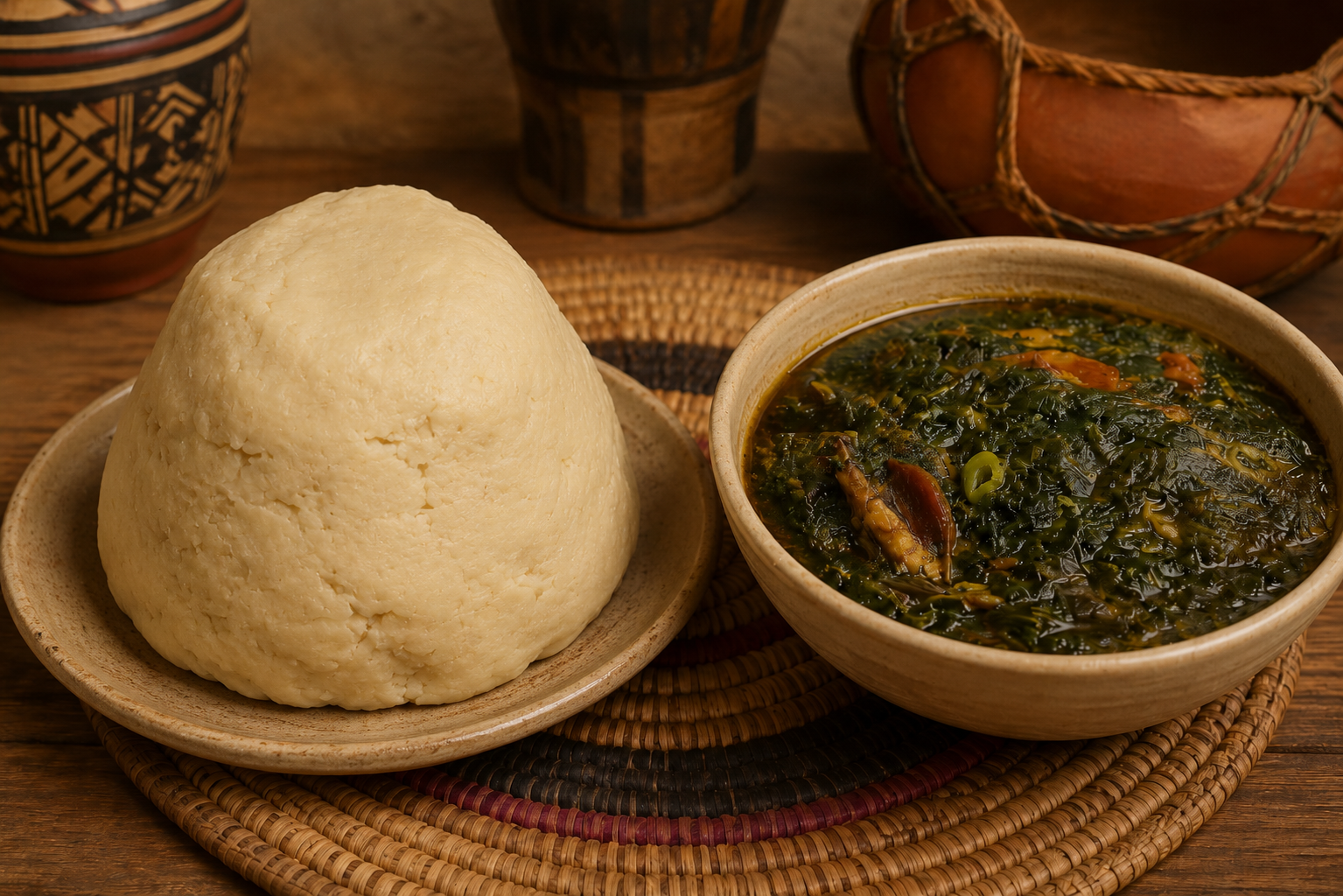
Djerma is a traditional food very present in certain West African cuisines, particularly in Sahelian areas and within local culinary practices where cereals and flour-based preparations play an essential role. Depending on the context, the word can refer to a cereal preparation, a meal base, or a local specialty linked to a particular food culture. In all cases, djerma is part of an African culinary logic based on simple, nourishing products adapted to the continent's climatic realities.
In this detailed description, we will explore what djerma is, its characteristics, its preparation methods, its culinary uses, its nutritional value, and above all, its place in African cuisine. This food highlights the importance of cereals, domestic know-how, and communal meals in many regions of Africa.
Prepare this speciality
Choose a detailed recipe, adjust the portions and prepare your ingredients before starting. Our cooking tips and food safety advice complement the steps described in the recipes.
Explore further: Cooking tips · Food hygiene and safety advice.
History and uses
🌱 ORIGIN AND DEFINITION OF DJERMA
Djerma is associated with Sahelian and West African food traditions.
A staple food
It can serve as a base for daily meals.
A cereal preparation
It is often linked to flours, grains, or porridges.
A local and cultural term
Its meaning can vary according to regions, languages, and culinary uses.
🌾 CHARACTERISTICS OF DJERMA
Djerma has qualities appreciated in African cuisines.
Nourishing
It provides energy and can satisfy hunger for a long time.
Easy to combine
It pairs well with sauces, vegetables, and broth-based preparations.
Adapted to the local context
It meets the food needs of areas where cereals are central.
🍲 PREPARATIONS BASED ON DJERMA
Djerma can be cooked in several ways.
As porridge
It can be prepared in liquid or semi-thick form.
As a paste
It can serve as a compact base to accompany sauces.
As a side dish
It can be eaten with sauced dishes, fish, or meat.
🌍 THE PLACE OF DJERMA IN AFRICAN CUISINE
Djerma holds an important place in African cuisine, particularly in culinary traditions based on cereals.
An everyday food
It is linked to ordinary, family, and communal meals.
An energy base
It meets the needs of workers, families, and rural areas.
A regional marker
It reflects local eating habits passed down through generations.
A cuisine of resilience
It testifies to the adaptation of African peoples to semi-arid and Sahelian environments.
In my books

Continue exploring the continent’s cuisines with Africa at the Table — 54 countries, 54 iconic dishes, by Alioune FALL. This book is in English.
Explore further
🥗 NUTRITIONAL VALUE OF DJERMA
Djerma is nutritionally interesting.
Carbohydrates
It provides energy for daily activities.
Fiber
Depending on the cereal used, it can promote satiety.
Simple food
It constitutes an accessible and economical base.
👨👩👧 Social and cultural dimension Djerma also has social importance.
Transmitted know-how
Its preparation is often passed down within the family.
A shared meal
It is part of collective consumption habits.
A culinary memory
It bears the trace of ancient practices and local tastes.
✅ Conclusion
Djerma is much more than just food: it is an element of culture, subsistence, and transmission in several African cuisines. Its place in the continent's cuisine illustrates the importance of cereals, simple meals, and local traditions in daily eating.
Understanding djerma means discovering another facet of African culinary richness and its sustainable know-how.
In the kitchen : Djerma
Recipes from the site to put your knowledge into practice:
Discover these cuisines at a restaurant
Explore our restaurant and caterer directories. Choose your destination and check the establishment’s menu to confirm which dishes are offered and available.
Continue exploring
Enjoy discovering ingredients and African cuisines? Join our newsletter. The illustrated PDF 10 sauces africaines incontournables is in French and is offered after confirming a subscription to the French or bilingual edition.