Chikanda
Zambia
Understanding : Chikanda
🌍 INTRODUCTION
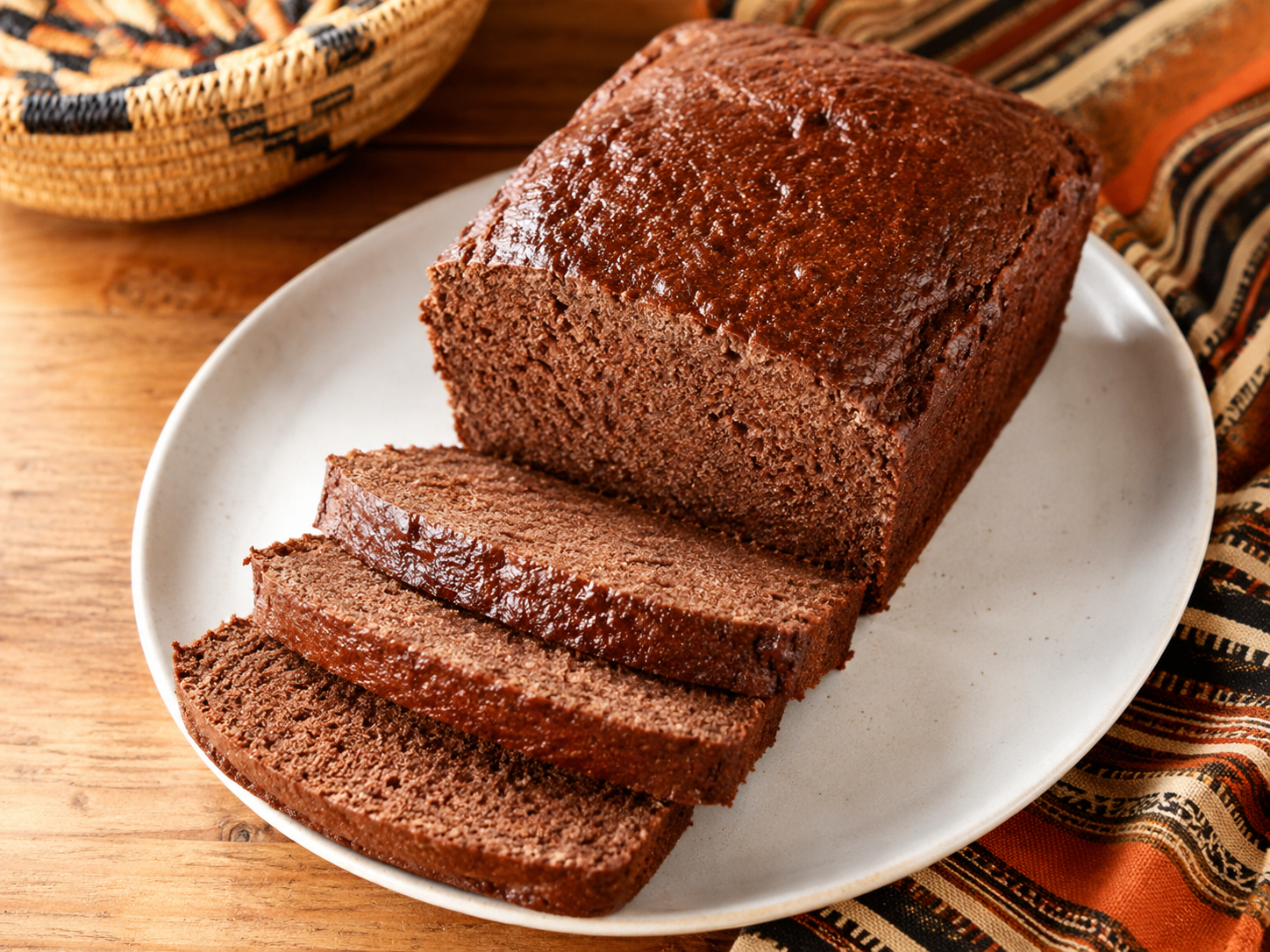
Chikanda is one of Zambia's most unique and identity-defining dishes, also known in neighboring areas, particularly in the Democratic Republic of Congo and Malawi, according to local cultural and commercial flows. Often nicknamed "African meat" in some popular contexts, chikanda is not a meat product. It is a preparation made from wild orchid tubers, mixed with ingredients such as peanut paste, baking soda (or a traditional alkaline agent depending on practices), chili, salt, and sometimes other aromatic elements. The mixture is cooked to obtain a firm, sliceable mass with a dense and elastic texture, served in portions as a snack, accompaniment, or main component depending on the circumstances. Its place in African cuisine is remarkable because it combines ecological heritage, culinary know-how, local adaptation, and strong symbolic value.
Prepare this speciality
Choose a detailed recipe, adjust the portions and prepare your ingredients before starting. Our cooking tips and food safety advice complement the steps described in the recipes.
Explore further: Cooking tips · Food hygiene and safety advice.
History and uses
🌿🌍 A RARE DISH AT THE CROSSROADS OF FOREST, MARKET, AND DOMESTIC CUISINE
The first peculiarity of chikanda is its direct link to specific botanical resources. The orchid tubers used come from natural environments where collection depends on the season, knowledge of species, and supply chains. This makes chikanda a dish strongly connected to local landscapes and ecological knowledge. It is not simply "a recipe"; it is the culmination of a chain of practices that begins with plant knowledge, goes through sorting, drying, grinding into powder or fragments, and then continues into culinary transformation.
In Zambian cities, chikanda is also a market product. It is sold in blocks or slices, sometimes prepared artisanally on a small scale, sometimes through more structured channels. This urban presence shows that the dish has moved beyond strictly rural or traditional settings to become a transversal marker, consumed in various contexts. It can be bought as a street snack, served at family gatherings, offered in local restaurants, or integrated into more elaborate meals.
Its nickname "African meat" refers to its firm texture and its satiating power. It also reflects a popular way of signaling that a non-meat dish can offer a substantial, rich, and satisfying experience. But this nickname should not obscure the real specificity of chikanda: it belongs to a particular plant-based tradition, deeply rooted in local knowledge of Southern Africa.
🍲🔥 Preparation technique and intelligence of transformation The preparation of chikanda requires precise mastery. Dried tubers are generally ground, then mixed with water and other ingredients, especially peanut paste, which plays a key role in flavor and structure. Baking soda or other alkaline agents can be used to modify the texture and facilitate certain transformations during cooking. The mixture is then heated and worked for a long time until a thick, homogeneous, and shiny paste is obtained, which eventually firms up.
Heat and time control are essential. Insufficient cooking can result in a floury or irregular texture; excessive cooking can alter the desired suppleness. The ideal point produces a compact but pleasant-to-chew block that holds its shape well when cut and absorbs the aromatic notes of chili, peanut, and other seasonings. Some versions are spicier, others milder; some fattier, others leaner. Again, there is no single fixed formula. Chikanda varies according to regions, families, available resources, and taste preferences.
This variability is a strength. It shows that traditional African cuisine is dynamic, experimental, and contextual. Cooks adjust proportions, adapt techniques, and maintain a continuity of taste without absolute rigidity. Chikanda is a good example of this rooted creativity: an identifiable dish, but always alive.
🥜🌶️ Taste profile, texture, and place in the meal The taste of chikanda is difficult to compare exactly to non-African dishes, which contributes to its strong identity. Peanut paste brings roundness, depth, and a slight fatty sweetness. Chili and salt structure the mouthfeel. The final result can evoke, depending on the versions, a preparation that is earthy, slightly nutty, spicy, and very filling. Its texture is one of its main markers: firm, elastic, dense, sometimes described as "fleshy" without being meat.
In consumption practices, chikanda can be served alone, cut into slices, or accompanied by staple foods such as nshima (a widespread corn paste in Zambia), vegetables, sauces, or condiments. It can also appear in snack contexts, sold and consumed on the go. This versatility makes it particularly suitable for urban rhythms, while maintaining a strong traditional anchor.
In my books

Continue exploring the continent’s cuisines with Africa at the Table — 54 countries, 54 iconic dishes, by Alioune FALL. This book is in English.
Explore further
Nutritionally, it is an interesting source of energy, especially thanks to peanut paste, and offers an alternative or complement to animal proteins in certain contexts. Its importance, however, goes beyond the mere nutritional aspect: it contributes to the diversity of textures and food sources in local culinary systems.
🤝🏾🏠 SOCIAL ANCHORAGE, TRANSMISSION, AND CULTURAL IDENTITY
Chikanda is also a social fact. Its preparation can involve knowledge transmitted within families or communities, and its consumption is part of collective habits. Like many everyday African dishes, it serves as a meeting point between generations: the youngest learn the tastes of the home, the elders transmit techniques, sensory benchmarks, and quality criteria.
It plays a particularly strong identity role in Zambia. In a culinary landscape influenced by food globalization, chikanda remains a powerful local marker. It represents cultural continuity, a link with the territory and ancient practices. In diasporas, when available or reproduced, it functions as a memory food: a way to maintain a tangible link with the country of origin.
This symbolic dimension explains why chikanda is often spoken of with pride. It embodies a national and regional culinary originality, based on specific resources and unique techniques. It reminds us that African cuisines contain highly specialized heritages, sometimes little known internationally, but extremely rich historically and anthropologically.
🧭🌍 PLACE OF CHIKANDA IN AFRICAN CUISINE IN A BROADER SENSE
On a continental scale, chikanda occupies a unique place. It does not correspond to the most publicized categories of African cuisine (grilled meats, stews, cereal pastes), even if it can coexist with them in a meal. It represents another facet of African culinary heritage: the expert use of specific local plant resources, transformed into products with high gustatory and cultural value.
Its place is therefore important for at least three reasons. First, it broadens the understanding of African culinary diversity: it shows that there are very elaborate plant transformation traditions beyond globally known ingredients. Second, it illustrates the ability of African cuisines to create highly structured dishes from local ecosystems. Finally, it raises contemporary sustainability issues, as its growing commercial success highlights the need to manage botanical resources responsibly.
Indeed, the popularity of chikanda has drawn attention to the potential pressure on certain wild orchids. This opens important discussions on conservation, traceability, collection practices, and sustainable alternatives. Cuisine, here, joins ecology. Preserving chikanda as culinary heritage also means preserving the environments and species on which it depends. This articulation between gastronomy and environment makes it a particularly interesting case in current debates on the future of African food systems.
❤️🔥 A LIVING HERITAGE BETWEEN PRIDE, ADAPTATION, AND RESPONSIBILITY
The strength of chikanda lies in its ability to remain relevant in changing contexts. It continues to be appreciated in markets, homes, urban spaces, and even in more recent forms of gastronomic valorization. It is neither a frozen relic nor a mere fashion product. It is a living heritage, capable of evolving without losing its identity.
This vitality is based on several elements: a recognizable taste, a unique texture, a satiating value, a strong cultural charge, and an inscription in daily social practices. It is also based on the creativity of the people who prepare, adapt, and transmit it. Like many fundamental dishes in Africa, chikanda is a collective work, shaped by generations of gestures and choices.
🌍 CONCLUSION
Ultimately, its place in African cuisine is both local and exemplary. Local, because it is intimately linked to Zambia and its neighboring cultural environments. Exemplary, because it reveals what African cuisines have most precious: the ability to transform local resources into complex culinary forms, carrying memory, identity, and social connection. To speak of chikanda is to recognize an inventive, rooted, diverse, and fully contemporary culinary Africa, where dishes tell a story of taste, a story of people, and a story of relationship with nature.
In the kitchen : Chikanda
Recipes from the site to put your knowledge into practice:
Discover these cuisines at a restaurant
Explore our restaurant and caterer directories. Choose your destination and check the establishment’s menu to confirm which dishes are offered and available.
Continue exploring
Enjoy discovering ingredients and African cuisines? Join our newsletter. The illustrated PDF 10 sauces africaines incontournables is in French and is offered after confirming a subscription to the French or bilingual edition.