Kifto
Ethiopia
Understanding : Kifto
🥩🔥 INTRODUCTION
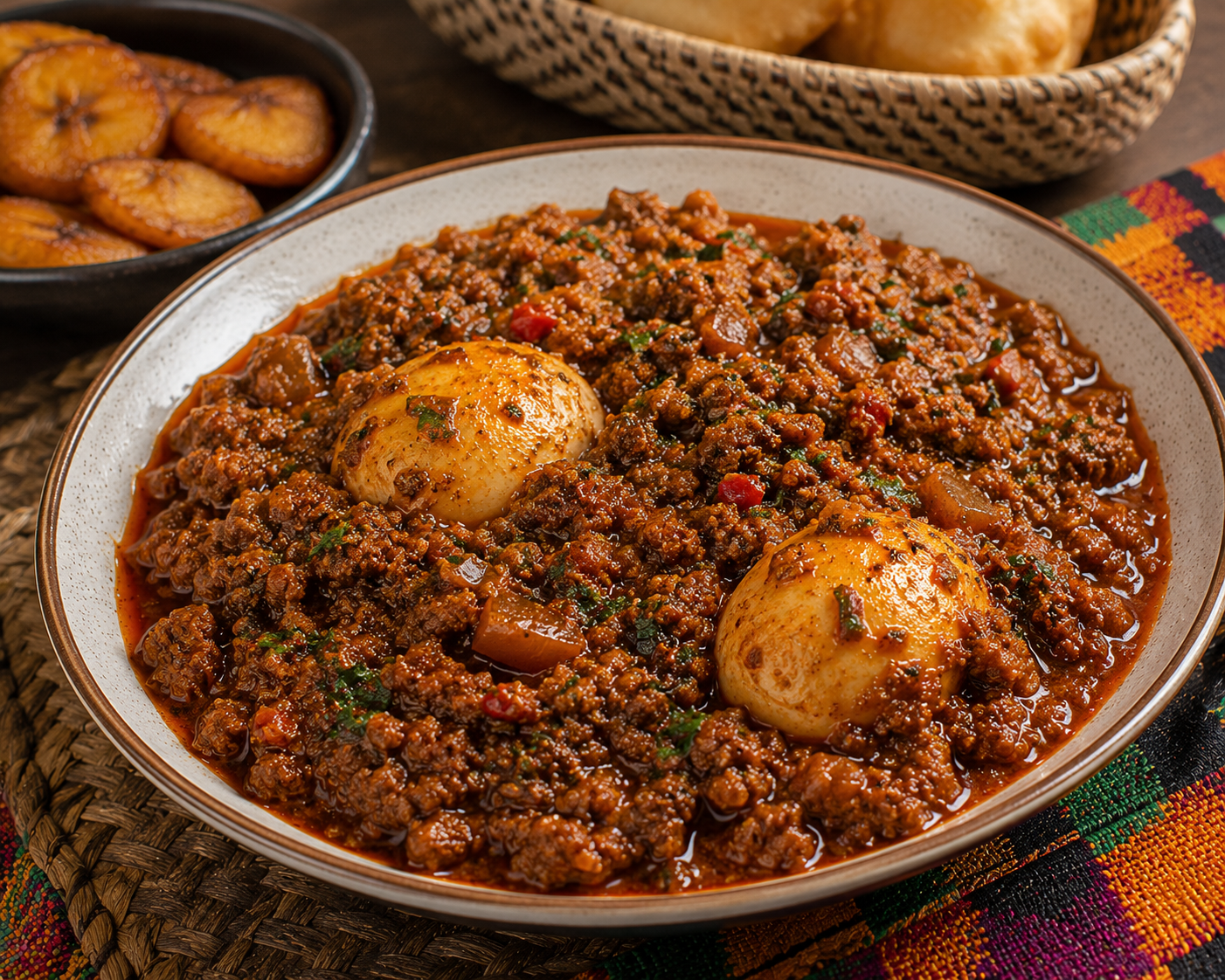
Kitfo is one of the most iconic dishes of Ethiopian gastronomy, sometimes spelled ketfo depending on transliterations. It traditionally consists of finely minced beef, seasoned with niter kibbeh (spiced clarified butter) and mitmita (a blend of chili peppers and spices with a distinct heat). Served in varying degrees of doneness, from raw to well-cooked according to preference, kitfo is often accompanied by injera (a sourdough-risen flatbread) or kocho (a flatbread made from ensete plant), as well as mild fresh cheeses and green vegetables to balance its intensity.
At first glance, kitfo might be perceived as a simple seasoned meat dish. In reality, it is a complex culinary system, where the quality of the raw material, the fineness of the cut, the serving temperature, the exact nature of the spices, and the balance of accompaniments determine the final experience. Kitfo is a dish of precision, ritual, and sharing, rooted in strong social practices, particularly in festive contexts and highly convivial meals.
Prepare this speciality
Choose a detailed recipe, adjust the portions and prepare your ingredients before starting. Our cooking tips and food safety advice complement the steps described in the recipes.
Explore further: Cooking tips · Food hygiene and safety advice.
History and uses
Its place in African cuisine is considerable. It demonstrates that the continent's cuisines master sophisticated forms of meat preparation that far exceed stereotypes of “stews” or “grills.” Kitfo embodies another path: that of meticulously prepared meat, scientifically seasoned, served with fermented and dairy counterpoints, in a taste architecture that is both powerful and subtle.
🌶️🧈 A DEMANDING TECHNICAL GRAMMAR: meat quality, fine cut, and butter-spice balance The success of kitfo begins with the choice of meat. Traditionally, very fresh, lean but tender cuts of beef are preferred, carefully trimmed. The cut is crucial: the meat is finely minced, sometimes almost crumbled, to obtain a supple and homogeneous texture. A cut that is too coarse alters the mouthfeel; a cut that is too crushed produces a heavy paste. The goal is a delicate grain.
Niter kibbeh plays a central role. This clarified butter infused with spices (the composition of which varies by household) brings richness, aroma, and fatty warmth. It's not just about adding fat: it must be precisely measured to coat the meat without drowning it. Mitmita, a spicy blend, provides tension, vibrancy, and the spicy signature. The balance between these two axes, aromatic fat and dry heat, defines the style of each cook.
Degrees of doneness constitute a major particularity of kitfo. The version closest to raw highlights the purity of the meat and the subtlety of the seasoning. More tempered versions slightly heat the whole, modifying texture and perception of spices. More cooked versions meet other preferences while retaining the dish's identity. This gradation shows the cultural flexibility of kitfo: the same base, multiple interpretations of intensity.
Accompaniments are not decorative. Ayib (mild fresh cheese), green leaves, or other vegetable elements soften the heat of the mitmita and refresh the palate. Injera, with its fermented acidity, creates an essential counterpoint to the buttery richness of the meat. Kitfo therefore functions as a whole, not as a solo.
🧭🏺 ETHIOPIAN ANCHORAGE AND HISTORICAL DEPTH IN THE HORN OF AFRICA
Kitfo is deeply linked to Ethiopian culinary cultures, particularly in regions where meat cuisine has codified forms of service and sharing. It is part of a rich gastronomic history, marked by fermentation techniques (injera), spiced butters, complex chili blends, and an art of communal dining based on the shared table.
In the Horn of Africa, this dish testifies to the ancient sophistication of local cuisines. Far from an improvised assembly cuisine, kitfo relies on precise knowledge: product selection, cutting, seasoning, thermal control, and arrangement of accompaniments. Its prestige stems from this technical density as much as from its social status.
On the scale of African cuisine, kitfo plays an important representative role. It reminds us that the continent possesses refined meat traditions comparable, in their demanding nature, to other great global gastronomic cultures. Its growing notoriety in diaspora restaurants contributes to correcting a reductive view of African cuisines and highlights the richness of Ethiopian heritage.
In my books

Continue exploring the continent’s cuisines with Africa at the Table — 54 countries, 54 iconic dishes, by Alioune FALL. This book is in English.
Explore further
🤝🍽️ HOSPITALITY, MEAL CEREMONIAL, AND COMMUNITY SHARING
Kitfo is also a social fact. It frequently appears in contexts of celebration, reception, and conviviality, where the quality of the dish expresses consideration and hospitality. Serving good kitfo means affirming a certain level of attention to the guest: choice of meat, freshness of accompaniments, balance of spices, care in service.
Like many Ethiopian dishes, it is part of a sharing logic. The communal table, the use of injera as a support, the gestures of offering between guests, all transform the meal into a relational experience. Cuisine is not reduced to the plate; it becomes a social language.
In diasporas, kitfo retains this identity function. It connects generations, reactivates memories of places and occasions, and serves as a strong cultural marker during gatherings. Even when certain adjustments are necessary (degree of doneness, availability of ingredients), the structure of the dish remains recognizable and continues to carry collective memory.
⚖️🥗 NUTRITIONAL READING, FOOD SAFETY, AND CONTEMPORARY ADAPTATIONS
From a nutritional point of view, kitfo primarily provides high-quality animal proteins, heme iron, zinc, and B vitamins. Niter kibbeh increases energy density and aromatic richness. Fermented, dairy, and vegetable accompaniments contribute to the overall sensory and nutritional balance of the meal.
The question of raw or lightly cooked consumption requires particular vigilance regarding the sanitary quality of the meat, the cold chain, and preparation hygiene. In modern contexts, many establishments and households adapt practices (light or more thorough cooking) to reconcile gustatory tradition and safety. This adaptability does not detract from kitfo's identity; it testifies to its ability to evolve with contemporary demands.
Kitfo is also part of current debates on meat, portions, and dietary balance. Like any rich dish, it finds its best place in a varied diet, with attention to consumption frequencies and the diversity of accompaniments. Its strength is its ability to be modulated without losing its character.
🌍✨ KITFO'S PLACE IN AFRICAN CUISINE: sophistication, identity, and influence Kitfo deserves a prominent place in African cuisine for its identity power and technical sophistication. It embodies a tradition where meat is treated with precision, where spices build an architecture rather than just a simple spiciness, and where conviviality gives meaning to tasting.
It also represents a bridge between heritage and modernity. In African capitals, in European and North American diasporas, or in global gastronomic scenes, kitfo continues to evolve without losing its cultural core. This ability to circulate confirms its patrimonial robustness.
Above all, it contributes to a fairer recognition of African cuisines as highly technical cuisines. Kitfo demonstrates that a dish can be both ancestral and contemporary, popular and prestigious, intense and balanced. It shows that African culinary complexity is not limited to long cooking times: it also exists in the moment of mincing, dosing, and precise temperature.
🏁🍴 A LIVING MEMORY IN EVERY BITE
Ultimately, kitfo is much more than spiced meat: it is a living memory of culinary Ethiopia, an aesthetic of detail, and a powerful symbol of sharing. It brings together fundamental elements of many African cuisines: respect for the product, importance of gesture, strength of condiments, role of fermentation, centrality of the collective.
In the gastronomic mosaic of the continent, it occupies a singular and essential place. It reminds us that African heritages are plural, demanding, and deeply elaborated. Kitfo, by its cultural density and gustatory precision, is one of those dishes that summarize a table civilization: attentive, hospitable, proud of its know-how, and oriented towards transmission.
In the kitchen : Kifto
Recipes from the site to put your knowledge into practice:
Discover these cuisines at a restaurant
Explore our restaurant and caterer directories. Choose your destination and check the establishment’s menu to confirm which dishes are offered and available.
Continue exploring
Enjoy discovering ingredients and African cuisines? Join our newsletter. The illustrated PDF 10 sauces africaines incontournables is in French and is offered after confirming a subscription to the French or bilingual edition.