Mafé
Bambara (Mali), Senegal
Understanding : Mafé
INTRODUCTION
Mafé (or "maafe," "tigua deyge," "peanut sauce," "domodah," depending on the region and language) is one of the most popular, emblematic, and unifying dishes of West Africa, a broad mirror of the continent's diversity and history. Originating from Mali, Senegal, and northern Guinea, but now found from Ghana to Cameroon, from Côte d'Ivoire to Nigeria, mafé is the stew of gatherings, families, daily life, and special occasions. Its deeply creamy sauce, made from peanut paste, meats, aromatics, vegetables, and spices, is a concentrate of Sahelian terroir, colonial memory, and culinary openness. While every household has its variation, mafé belongs to the same dynamic as yosh in Senegal, Gambian domoda, Ghanaian g-nut sauce, Nigerian groundnut stew, Cameroonian peanut sauce, all derived from peanuts. Eating it brings people together and delights, nourishes and satisfies, and symbolizes West African fraternity. Here is a detailed overview of its origins, technique, social uses, nutritional benefits, and its place in contemporary African gastronomy.
1. ORIGINS, HISTORY, AND SPREAD OF MAFÉ
1.1. Sahelian and West African Roots Mafé emerged in the wake of the peanut, a plant native to South America, introduced to West Africa in the 16th century by the Portuguese on the Senegambian coasts. The peanut found fertile ground in the sandy soils of the Sahel. It quickly supplanted local cowpeas, sesame, and other legumes in the region's rich stews, blending with the African pot-au-feu tradition (meat, root vegetables, aromatics, long cooking). In the Niger bend, in Mali, the dish is called mafé; among the Manding people, it is called "tigua deyge," a Bambara word for "peanut sauce." The term "mafé" itself, of Wolof origin, became established in Senegal and throughout its inter-regional cultural sphere. 1.2. Spread and Variations With peanut colonization (19th-20th century), rural exodus, economic or cultural mobility, mafé evolved, adapted, and spread from Senegal to Niger, from Gambia to Côte d'Ivoire, from Burkina Faso to Cameroon, where it took on countless variations. This "borderless" dish became the standard for "rice with sauce" or "potato with sauce," with each region adopting the base and adapting it with its own meats, vegetables, and spices.
2. MAFÉ INGREDIENTS: A BASE AND MANY WORLDS
2.1. Peanut Paste The heart of mafé, peanut paste* (often called "peanut butter" outside the continent, but traditionally homemade and unsweetened), comes from roasted and then crushed peanuts (mortar, mill, or modern presses). Its richness in oil and protein structures the body of the sauce. *In many African rural areas, it is made from fresh or roasted peanuts, pounded for a long time until a more or less thick cream is obtained. 2.2. Meats and Fish • Beef: the most classic in Mali, Senegal, Gambia, Guinea. • Mutton, chicken, or goat: also popular, variable price depending on the region and occasion. • Dried or fresh fish, smoked, sometimes shellfish. • Meatless (vegetarian version), sometimes with egg or "dumplings." 2.3. Vegetables • Sweet potato, potato: sweetness, texture. • Carrots, cabbage, African eggplant, yam, cassava, okra, bell pepper, tomato, onion. • Green leaves in some variations (amaranth leaves, spinach…). • Whole or crushed chili: strength and flavor. 2.4. Aromatics and Spices • Onion, garlic, ginger for the aromatic base. • Black pepper, bay leaf, thyme, sometimes nutmeg. • Bouillon cube and salt according to family custom. 2.5. Accompaniments • White rice (fragrant, broken, parboiled), more rarely fonio, semolina, attiéké (fermented cassava) or yam. • Sometimes bread, millet balls, or couscous to absorb the sauce.
3. MAFÉ PREPARATION: GESTURES AND SECRETS
3.1. Preparation of the Aromatic Base In a thick-bottomed pot, the diced meat is sautéed with onions, garlic, chili, sometimes tomato and spices, until golden and glistening with flavors. 3.2. Cooking the Vegetables The pre-cut root vegetables are then added, quickly browned with the meat to coat them, then covered with water or homemade broth. Cook slowly over low heat for a long time. 3.3. Incorporating the Peanut Paste This is the crucial step. The peanut paste is diluted in a little hot water until smooth, without lumps, then added to the broth. Slow cooking then begins, uncovered, stirring occasionally to prevent the peanut paste from sticking or "turning": poorly managed sauce can separate. 3.4. Simmering, Finishing, and Seasoning If dried fish is used, it is added last to infuse its flavor. The reduction is monitored: the sauce should be shiny, coating, slightly oily. Adjust salt, chili, add fresh herbs according to style. Mafé is served hot, over rice, with the sauce generously spread, and pieces of vegetables and meat well distributed.
4. VARIATIONS, MODERNITY, AND CREATIVITY
4.1. Chicken, Mutton, or Vegetarian Mafé Mafé adapts: poultry, offal (feet, head, tripe), oxtails, meatballs or vegetarian meatballs, tofu, dried beans, all can replace beef depending on tradition or means. 4.2. Red, Yellow, Green Mafé • Red: pronounced tomato, creamy sauce, typical of Senegal or Côte d'Ivoire. • Yellow/green: more peanut paste, green leaves, root vegetables (Guinean, Malian style). 4.3. Express, Urban, Chef, or Fusion Mafé In large African cities, the traditional pot has given way to the pressure cooker, the food processor; the sauce can be prepared in 30 minutes. Chefs modernize by working with homemade peanut paste, vegetable purées, aged meats, decorating with roasted peanuts (for crunch), fresh herbs, or reinterpreting mafé as ravioli, burgers, or as a sauce for grilled meats or roasted vegetables. 4.4. Diaspora and Global Influence Mafé is served in restaurants from Harlem to Paris, London to Geneva, Accra to Dakar, in Afro bowls, food trucks, bentos, and appears in Afro-descendant, vegan, and Afro-fusion cookbooks. It is gaining recognition as an "emblematic West African dish."
5. SOCIAL, SYMBOLIC, AND CULTURAL PLACE
5.1. Everyday and Festive Dish Mafé is the king of the family meal: it brings everyone together around the central family dish, made on Sundays, holidays, baptisms, and large gatherings. It symbolizes hospitality, warmth, and household prosperity. 5.2. Transmission and Memory Learning to make a true mafé means joining the community of "good cooks"; the recipe is recounted and debated from mother to daughter, aunt to niece, or among neighbors ("your mother's mafé was better..."). 5.3. Community and Social Connection Shared among neighbors, at religious ceremonies, during funerals, or during Tabaski, Ramadan, Christmas, mafé unites, rebuilds, and allows the transmission of "living together." 5.4. Modernity, Afro-Pride, Diaspora In the diaspora, mafé is a bridge to original Africa, a source of "identity" pride. Young Afro-descendant chefs make mafé a marker of living heritage, an anti-racism weapon ("Afro Food Power"), a symbol of creativity and resistance.
6. NUTRITIONAL VALUE AND HEALTH ASPECTS
6.1. Peanut, Meat, Vegetables: A Complete Dish • Carbohydrates: rice, potato, root vegetables (energy) • Proteins: meat, peanut (combined for all amino acids) • Unsaturated fats: peanut, good for the heart if not consumed in excess • Minerals: iron, magnesium, potassium, calcium • Fiber, vitamins: vegetables in the sauce 6.2. Dietetics and Prevention If fatty meat and the amount of added oil are limited, and whole grain rice or fonio are preferred, mafé becomes a balanced dish, suitable for modern times (and cheaper than "festive dishes").
7. MODERN ISSUES, TRANSMISSION, AND CHALLENGES
• Globalization of taste, temptation of "ready-made" sauce, loss of traditional gestures (risk of impoverishing culinary heritage). • Rise of malnutrition in some areas (price of peanuts, meat, rice). • Risk of peanut allergy (in the West), requiring adaptations. • Threat to peanut cultivation and industry in Africa (Asian imports). • Need to value mafé as heritage, identity, food of the future, local industry (a source of health, business, culinary diplomacy).
CONCLUSION Mafé, with its peanut aroma, creamy sauce, and versatility, is more than a "dish": it is the soul, the memory, the outstretched hand of West Africa. The man, woman, and child who eat mafé laugh, talk, and feel at home. From the cooking pots of Manding villages to New York brunches, it recalls the capacity for innovation, inclusion, resilience, and love of African cuisine. Preparing, tasting, and transmitting mafé means inscribing each generation in the great chain of sharing, creative, and supportive humanity, and keeping the grandeur of the African table alive for a long time to come.
ENJOY YOUR MEAL! © Photo credit: recettesafricaines.com (Lafia FALL). All rights reserved.
Prepare this speciality
Choose a detailed recipe, adjust the portions and prepare your ingredients before starting. Our cooking tips and food safety advice complement the steps described in the recipes.
Explore further: Cooking tips · Food hygiene and safety advice.
In my books
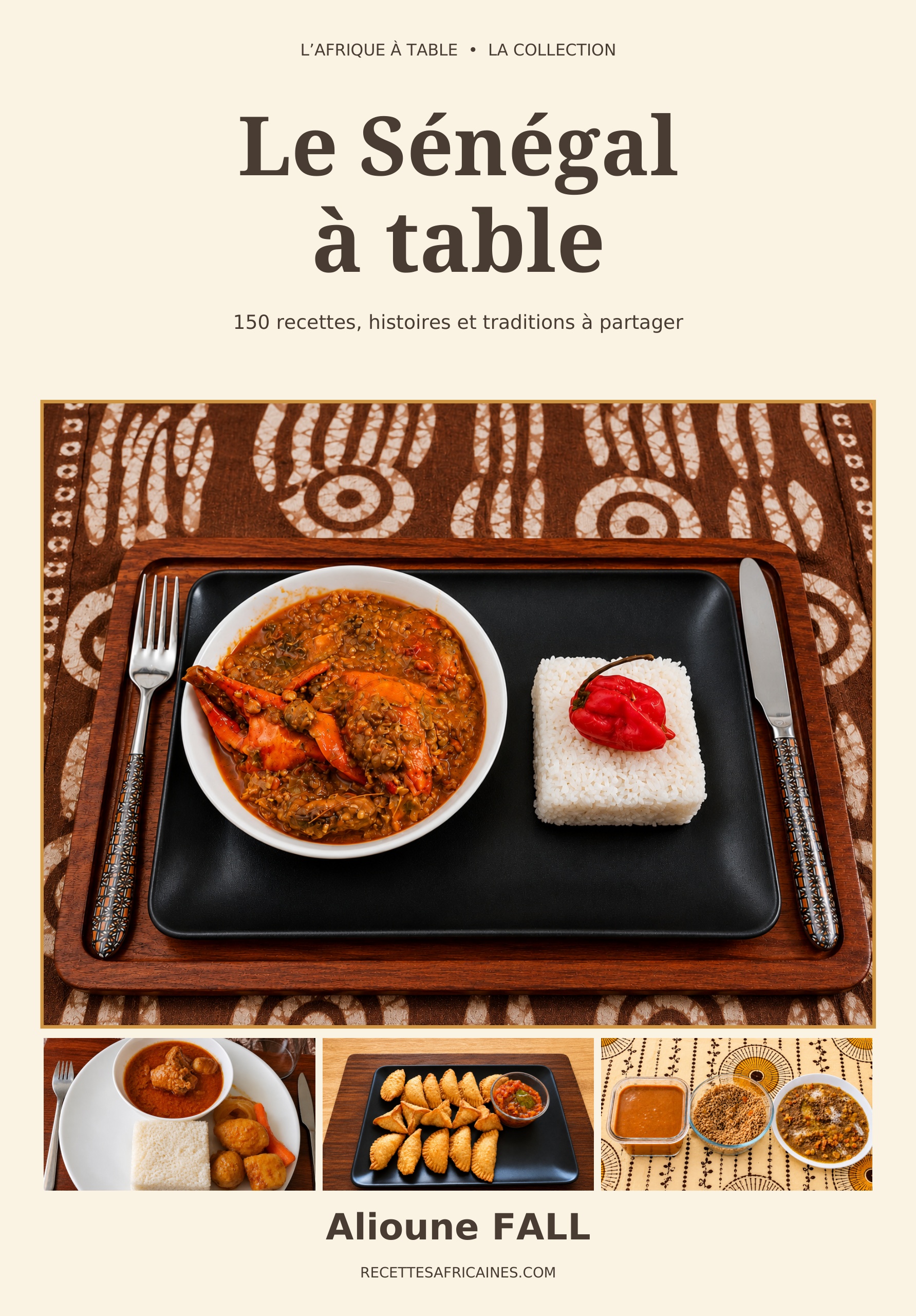
Explore Senegalese cooking with Le Sénégal à table, my collection of 150 recipes, stories and traditions to share. This book is in French, by Alioune FALL.
In the kitchen : Mafé
Recipes from the site to put your knowledge into practice:
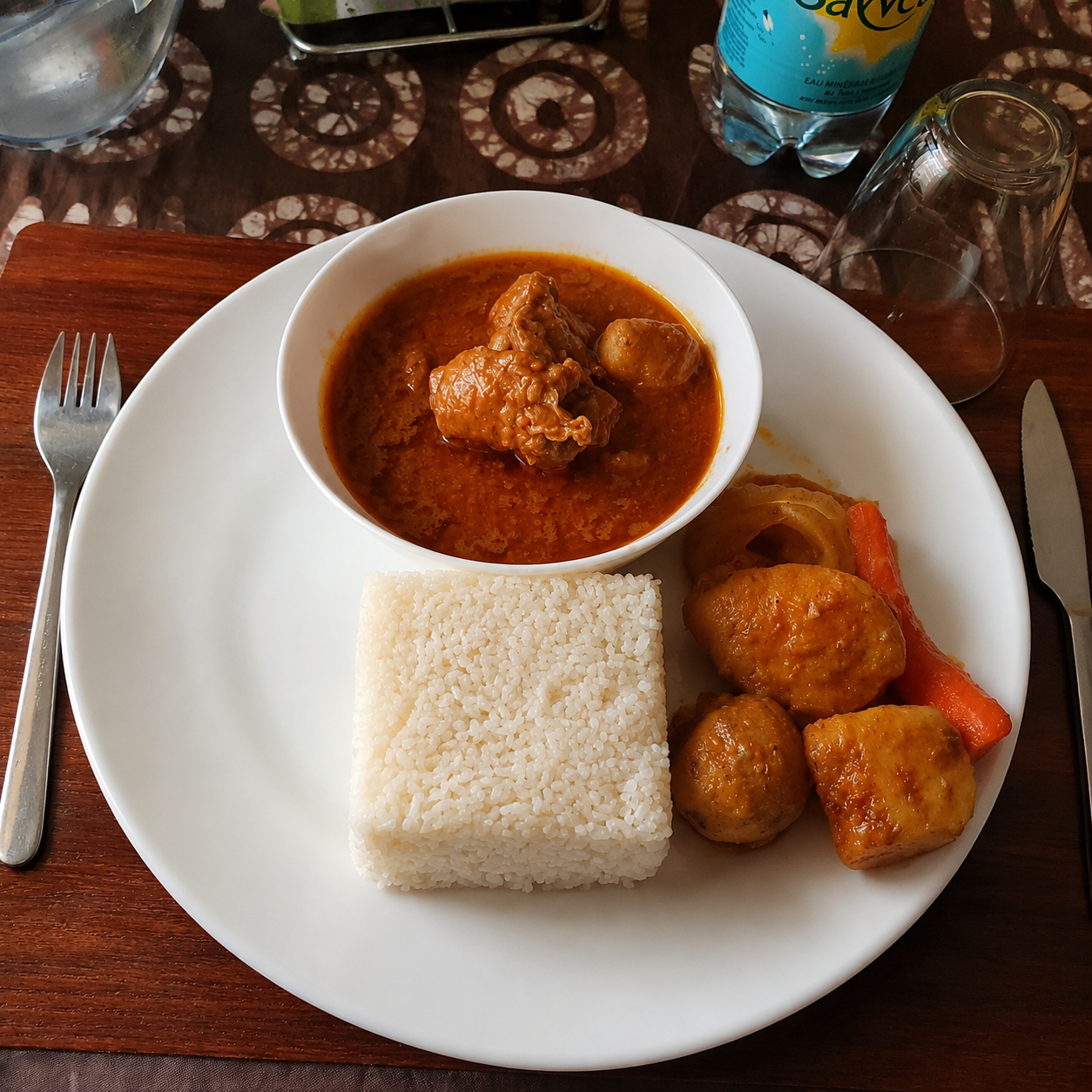
Discover these cuisines at a restaurant
Explore our restaurant and caterer directories. Choose your destination and check the establishment’s menu to confirm which dishes are offered and available.
Continue exploring
Enjoy discovering ingredients and African cuisines? Join our newsletter. The illustrated PDF 10 sauces africaines incontournables is in French and is offered after confirming a subscription to the French or bilingual edition.