Ayib
Ethiopia, Eritrea
Understanding : Ayib
INTRODUCTION AND ORIGINS OF AYIB 🧀🇪🇹
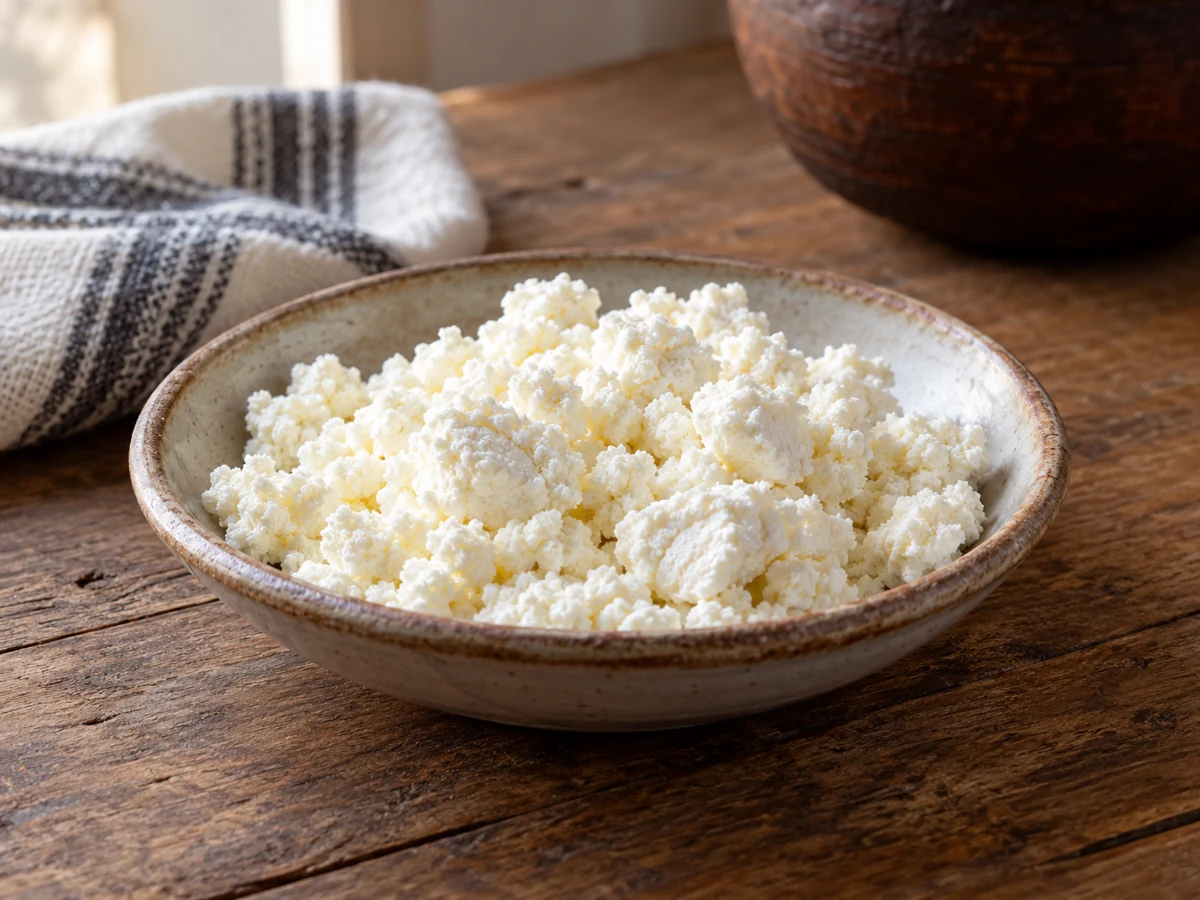
Ayib is a traditional fresh cheese originating from the highlands of Ethiopia and Eritrea, representing a fundamental pillar of the culinary culture of the Horn of Africa. This white, soft, and crumbly cheese is characterized by its texture similar to Western cottage cheese or mild feta, but with a flavor profile and preparation process deeply rooted in Ethiopian pastoral traditions. For millennia, farming communities in the mountainous regions of East Africa have transformed cow's milk to preserve it in various forms, giving rise to exceptional products. Ayib was born out of the necessity to utilize buttermilk, a byproduct obtained after churning milk to make the precious niter kibbeh, the spiced clarified butter essential to Ethiopian cuisine. By combining technical simplicity and peasant ingenuity, Ethiopian cooks have created a unique cheese that serves as a natural softener for one of the most spicy and aromatic cuisines on the African continent. In a culinary landscape dominated by simmered stews and the volcanic flavors of berbere chili, ayib stands out as an indispensable oasis of freshness and sweetness for the balance of every festive or daily meal.
THE TRADITIONAL CHEESE-MAKING PROCESS 🥛🔥
Ayib production is a model of domestic circular economy and self-sufficiency. The process begins with collecting fresh cow's milk, which is left at room temperature for a few days to undergo natural acidic fermentation, thus becoming curdled milk called ergo. This fermented milk is then poured into a traditional churn, often made from a calabash or clay pot. The women of the house vigorously shake the container to separate the fat from the liquid. This milk fat is removed to be later processed into clarified butter, niter kibbeh. The remaining liquid, acidic and low in fat, is called arera, which is equivalent to buttermilk or churned whey.
It is from this arera that ayib is prepared. The liquid is heated very slowly in a terracotta pot at a gentle temperature, typically around fifty to sixty degrees Celsius. It is crucial not to boil the liquid, as excessive heat would make the cheese rubbery and hard. Under the effect of this gentle heat, milk proteins, mainly casein, begin to coagulate gently and form white, flaky lumps that float to the surface. Once coagulation is complete, the pot is removed from the heat and left to cool. The mixture is then filtered through a clean, fine cotton cloth, often a piece of traditional garment called netela. The bag is hung to allow the whey to drain slowly for several hours, or even overnight. What remains in the cloth is ayib: a fresh, crumbly, bright white cheese with a granular texture and a delicately sweet and sour flavor.
AYIB'S CENTRAL PLACE IN ETHIOPIAN AND AFRICAN GASTRONOMY 🍽️🌶️
In Ethiopian gastronomy, ayib plays an absolutely irreplaceable role as a thermal and taste moderator. The cuisine of this region is famous for its generous use of berbere, a complex and powerful spice blend including red chili, coriander, ginger, cardamom, and cloves. Traditional stews, called wats, can be extremely pungent for the uninitiated palate, and even for locals. This is where ayib comes in. Delicately placed on the side of the large injera platter, the fermented teff flatbread that serves as both plate and utensil, ayib acts as a refreshing counterbalance.
When enjoying an Ethiopian meal, the ritual involves tearing off a piece of injera, wrapping a portion of hot and spicy stew in it, and then adding a touch of fresh ayib. The cheese coats the palate and instantly neutralizes the chili burn thanks to its milky texture and absence of heavy saturated fats, thus allowing one to continue appreciating the aromatic nuances of the spices without suffering from the heat. Beyond this regulatory function, ayib is also a symbol of hospitality. Serving fresh ayib at a festive meal shows the care taken in preparation and respect for guests. In a broader context of African cuisine, ayib illustrates the intelligent use of fermented dairy products to balance rich and spicy main dishes, a practice also found in other forms in the pastoral cuisines of the Sahel or Southern Africa.
CULINARY VARIATIONS AND EMBLEMATIC PAIRINGS 🥩🌿
Although ayib is delicious eaten plain, it is very often personalized or integrated into complex recipes that highlight its versatility. The most famous and appreciated pairing is undoubtedly with kitfo. Kitfo is a festive dish made of premium raw minced beef, quickly warmed in melted niter kibbeh and seasoned with mitmita, an ultra-spicy chili blend. Kitfo is traditionally served with a generous portion of ayib. For this special occasion, the cheese is often mixed with finely chopped fresh herbs, including coriander, mint, or gomen leaves (collard greens), as well as a touch of ground black cardamom and sometimes a drizzle of niter kibbeh to give it creaminess. This fragrant mixture is called ayib gomen or simply gomen kitfo when the cheese is intimately mixed with cooked spinach or cabbage.
Another very popular preparation involves incorporating ayib directly into vegetable or lentil stews to add a creamy texture. During the fasting periods of the Ethiopian Orthodox Church, which last more than two hundred and fifty days a year, animal products like ayib are avoided by practicing faithful. However, as soon as the fast is broken, especially during major celebrations such as Easter (Fasika) or Christmas (Genna), ayib makes a triumphant return to family tables, celebrating the end of abstinence with sumptuous platters of meat and fresh cheese.
NUTRITIONAL BENEFITS AND COMPOSITION OF FRESH CHEESE 🩺💪
Nutritionally, ayib is an exceptional food, particularly suitable for healthy and balanced diets. Due to its manufacturing method where most of the cream is removed during churning to make butter, ayib is a naturally very low-fat and low-calorie cheese. This makes it an excellent alternative to richer aged cheeses. It is largely composed of high biological value proteins, containing all the essential amino acids necessary for muscle repair and proper cellular function.
Moreover, thanks to the initial fermentation process of ergo milk, ayib contains a reduced amount of lactose, which makes it much easier to digest for people with a slight sensitivity to milk sugar. It is also an excellent source of calcium, phosphorus, and selenium, minerals essential for bone and teeth health and strengthening the immune system. Introducing ayib into the daily diet allows one to benefit from the advantages of dairy products while avoiding the drawbacks of saturated fats, which explains why it is considered a food of choice for growing children and the elderly in rural Ethiopian communities.
SYNONYMS FOR AYIB 🔄🗣️
Several names can be used to refer to this traditional cheese internationally or according to translations:
Ayibe (also a very common alternative spelling) Ethiopian cottage cheese (common comparison in the English-speaking world) Ethiopian fresh cheese (literal descriptive translation) Abyssinian white cheese (in historical reference to the region's former name) Traditional curd cheese (technical description of the finished product)
LIST OF 5 KEYWORDS TO REMEMBER THE ESSENTIALS 🔑📝
Ethiopia (the country of origin and the historical heart of this dairy tradition) Fermentation (the natural bacterial transformation giving it its slight acidity) Injera (the large teff flatbread on which this cheese is traditionally served) Buttermilk (the initial liquid raw material after butter removal) Softener (its taste role in tempering the power of spicy sauces)
Where to find it
Look for the exact food-grade form required by the recipe at markets and specialist shops. Check the product name, ingredients, condition and storage instructions.
Explore further: Cooking tips · Food hygiene and safety advice.
In my books

Continue exploring the continent’s cuisines with Africa at the Table — 54 countries, 54 iconic dishes, by Alioune FALL. This book is in English.
In the kitchen : Ayib
Recipes from the site to put your knowledge into practice:
Discover these cuisines at a restaurant
Explore our restaurant and caterer directories. Choose your destination and check the establishment’s menu to confirm which dishes are offered and available.
Continue exploring
Enjoy discovering ingredients and African cuisines? Join our newsletter. The illustrated PDF 10 sauces africaines incontournables is in French and is offered after confirming a subscription to the French or bilingual edition.