Akpan
Benin, Togo
Understanding : Akpan
🌽 INTRODUCTION AND ORIGINS OF AKPAN
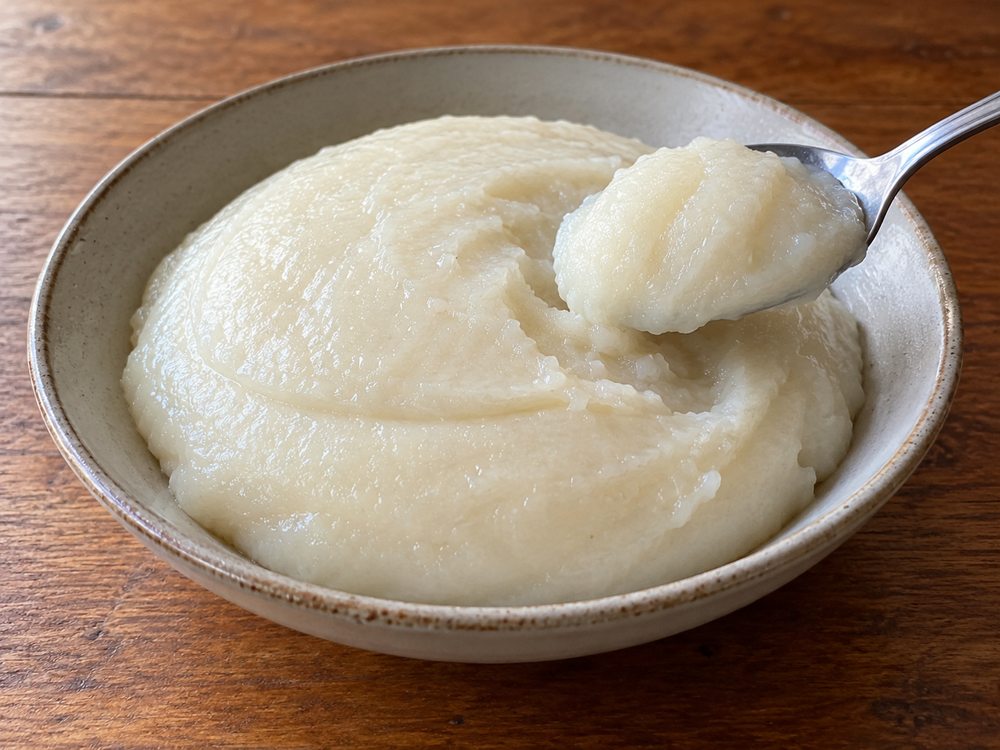
Akpan is a traditional drink originating from West Africa, particularly popular and consumed in Benin and Togo. Described as a plant-based yogurt or corn yogurt, akpan is distinguished by its creamy texture, immaculate white color, and refreshing tangy flavor. This drink is the result of ancestral knowledge of natural corn fermentation, which not only preserves this essential cereal but also enhances its taste and nutritional qualities. In a region where the tropical climate demands creative solutions for food preservation, akpan stands out as an ingenious and highly flavorful answer. Originally, this drink was prepared by women from the Fon, Ewe, Mina, and Adja communities, who passed down the recipe from generation to generation. Today, akpan has transcended the borders of these communities to become a true national symbol of Beninese and Togolese street food, uniting populations around a shared habit of refreshing and invigorating consumption.
Where to find it
Look for the exact food-grade form required by the recipe at markets and specialist shops. Check the product name, ingredients, condition and storage instructions.
Explore further: Cooking tips · Food hygiene and safety advice.
History and uses
🥣 SYNONYMS AND VARIATIONS OF THIS DRINK
In the culinary nomenclature of West Africa, akpan goes by several names that reflect its history, texture, or composition. The most common synonym in English is undoubtedly corn yogurt or maize yogurt. This modern term has been adopted because the drink shares with classic dairy yogurt a characteristic creaminess and a pronounced acidity due to fermentation, although it originally contains no dairy products. In some regions, it is also referred to as corn yogurt or fermented maize beverage. In certain border regions, it can also be associated with the generic term liquid mawè, as its base is identical to that of mawè, a fermented corn paste widely used in local cuisine. Akpan should not be confused with akassa, which is a much more solid and cooked fermented corn paste, traditionally wrapped in banana or teak leaves and consumed with a side sauce. Akpan is also different from ogi or koko, which are hot fermented corn porridges consumed for breakfast. Akpan is specifically a chilled and sweetened drink, consumed as a dessert or cold snack.
🌾 CORN AND THE FERMENTATION PROCESS
Corn is the staple cereal in coastal West African diets, and akpan is one of its most refined expressions. The production of akpan relies entirely on the mastery of spontaneous lactic fermentation. It all begins with the selection of high-quality corn kernels, usually white corn. These kernels are first carefully sorted and washed to remove any impurities. Then, they are immersed in clear water for an initial soaking phase that lasts between 48 and 72 hours. It is during this period that fermentation begins, thanks to microorganisms, mainly lactic acid bacteria and wild yeasts, naturally present on the surface of the kernels and in the environment. This spontaneous fermentation produces lactic acid, which lowers the pH of the mixture and gives it its characteristic tangy taste. This biological process plays an essential protective role by preventing the development of pathogenic bacteria, thus ensuring the safety of the preparation. Once the corn is properly softened and fermented, it is drained and then rinsed thoroughly with water.
🍯 THE SECRET OF ITS TEXTURE AND PREPARATION METHOD
After the first fermentation, the wet corn is finely ground to obtain a smooth paste. This paste is then diluted in a large quantity of water, then filtered using a fine cloth, often muslin, to separate the liquid starch from the fibrous residues called corn bran. The milky liquid obtained is left to rest for a few hours to allow sedimentation. Two phases are then obtained: clear water on the surface and a very white and dense starch sediment at the bottom. It is this sediment that forms the base of akpan. To obtain the final creamy texture, a partial or total cooking step is necessary. Traditionally, a portion of the sediment is mixed with water and brought to a boil to form a thick porridge, which is then vigorously mixed with the rest of the raw and fermented sediment. This clever mixture of cooked and raw gives akpan its unique, slightly velvety and thick consistency, similar to that of stirred yogurt. The mixture is then left to cool completely. Sometimes, a secondary fermentation of a few hours is observed to adjust the overall acidity of the drink before its finalization.
In my books

Continue exploring the continent’s cuisines with Africa at the Table — 54 countries, 54 iconic dishes, by Alioune FALL. This book is in English.
Explore further
🥤 THE ART OF TASTING AND STREET VENDING
In its pure state, akpan is a very acidic and unsweetened drink. This is why, during tasting, it undergoes a true metamorphosis. Street vendors and families add sugar, sweetened or unsweetened condensed milk, and a large quantity of crushed ice or ice cubes. The addition of milk brings extra sweetness and creaminess that wonderfully contrasts with the natural acidity of fermented corn. To vary the pleasures, some flavor akpan with vanilla extract, cinnamon, grated nutmeg, or even coconut milk. Tasting akpan is a daily ritual in cities like Cotonou, Porto-Novo, Lomé, or Aného. During the hottest hours of the day, buyers flock around akpan vendors, often set up under large umbrellas with their coolers. The drink is traditionally served in small transparent plastic bags that are pierced with the teeth to suck the iced liquid, or in cups. It is an economical, extremely refreshing snack that provides an immediate feeling of coolness and energy.
🌍 ITS HISTORICAL AND SOCIAL PLACE IN AFRICAN CUISINE
Akpan holds a special place in West African culinary culture. It embodies the ingenuity of traditional food processing techniques that value local resources. Unlike dairy products, which are historically less common and more difficult to preserve in coastal West African areas due to the climate and the lack of developed cold chains, akpan offers a local plant-based alternative accessible to all. It is a democratic product par excellence, consumed by all segments of society, from schoolchildren to manual laborers, as well as office workers. Its consumption goes beyond the simple act of eating or quenching thirst: it represents a moment of pause and conviviality in the urban hustle and bustle. Moreover, akpan is part of a vital informal economic network, largely managed by women micro-entrepreneurs. These vendors, thanks to their artisanal know-how, support the local economy by sourcing from local corn producers and providing healthy and affordable food to urban populations.
💡 NUTRITIONAL AND DIGESTIVE BENEFITS
Nutritionally, akpan is an excellent source of energy thanks to the complex carbohydrates from corn. The lactic fermentation undergone by corn brings many benefits for human health. First, it improves the digestibility of the cereal by breaking down complex starches into simpler compounds and reducing the content of phytates, natural compounds in corn that limit the absorption of minerals by the body. Thus, the bioavailability of essential minerals like iron, zinc, and magnesium is greatly increased. Furthermore, fermentation enriches the drink with B vitamins, produced by the activity of microorganisms. As a fermented product containing active lactic acid bacteria, akpan also acts as a natural probiotic. It promotes the balance of intestinal flora, facilitates digestion, and strengthens the immune system. Gluten-free, it is perfectly suitable for people with gluten intolerance or digestive disorders. It is a healthy drink, free from chemical preservatives or artificial colors, making it an excellent natural food supplement.
📌 MODERNIZATION AND EXPORT PROSPECTS
In the face of globalization and rapid urbanization, akpan is currently undergoing a phase of reinvention. Young Beninese and Togolese entrepreneurs are striving to modernize the production and distribution of this traditional drink. Initiatives are emerging to standardize fermentation processes, thus ensuring consistent quality and improved hygiene. Akpan is beginning to be packaged in elegantly designed bottles, pasteurized to extend its shelf life, and sold in local supermarkets or natural product stores. This modernization also aims to introduce this corn yogurt to the African diaspora and international consumers looking for healthy, gluten-free plant-based alternatives. By adapting to the demands of the contemporary market, akpan demonstrates that traditional African drinks have their rightful place in the modern food industry. It is no longer just a culinary heritage to preserve, but a product of the future capable of competing with imported industrial yogurts and energy drinks.
Its synonyms: corn yogurt, maize yogurt, corn akpan, liquid mawè.
Keywords:
Fermentation Corn Benin Togo Refreshing
In the kitchen : Akpan
Recipes from the site to put your knowledge into practice:
Discover these cuisines at a restaurant
Explore our restaurant and caterer directories. Choose your destination and check the establishment’s menu to confirm which dishes are offered and available.
Continue exploring
Enjoy discovering ingredients and African cuisines? Join our newsletter. The illustrated PDF 10 sauces africaines incontournables is in French and is offered after confirming a subscription to the French or bilingual edition.