Nyemba
Southern Africa
Understanding : Nyemba
🌿 NYEMBA: IDENTITY AND DESCRIPTION
Nyemba generally refers to beans, or more broadly to leguminous seeds consumed in several regions of Central, Southern, and East Africa. The word is notably known in African languages such as Lingala, Kikongo, or Shona, where it refers to dried beans, red, white, black, brown beans, or sometimes similar varieties like cowpeas, depending on local usage. Nyemba is therefore both a simple, popular, and deeply rooted food in everyday African life.
Culinary-wise, nyemba comes in the form of dried seeds that are soaked before cooking to soften them and reduce preparation time. After cooking, it becomes tender, nourishing, and slightly creamy. Its taste is mild, earthy, sometimes slightly sweet depending on the variety. It absorbs spices, sauces, palm oil, tomato, onion, garlic, chili, ginger, green leaves, or smoked fish very well. It is this ability to take on the flavor of accompanying ingredients that makes it a highly appreciated product in family kitchens.
Prepare this speciality
Choose a detailed recipe, adjust the portions and prepare your ingredients before starting. Our cooking tips and food safety advice complement the steps described in the recipes.
Explore further: Cooking tips · Food hygiene and safety advice.
History and uses
🍲 PLACE IN AFRICAN CUISINE
Nyemba holds an important place in African cuisine because it represents an accessible, economical, and nutrient-rich staple food. In many households, it allows for the preparation of substantial meals without necessarily using meat. It is often considered an everyday dish, but it can also appear during community meals, large family preparations, or moments of sharing.
In Central Africa, particularly in the Democratic Republic of Congo, Congo-Brazzaville, and Angola, nyemba can be prepared with palm oil, onions, chili, and sometimes smoked fish. It often accompanies fufu, cassava, chikwangue, rice, or plantain. In these regions, it is appreciated for its ability to provide lasting satiety. It can be served in a sauce, stew, or in a drier form, according to family traditions.
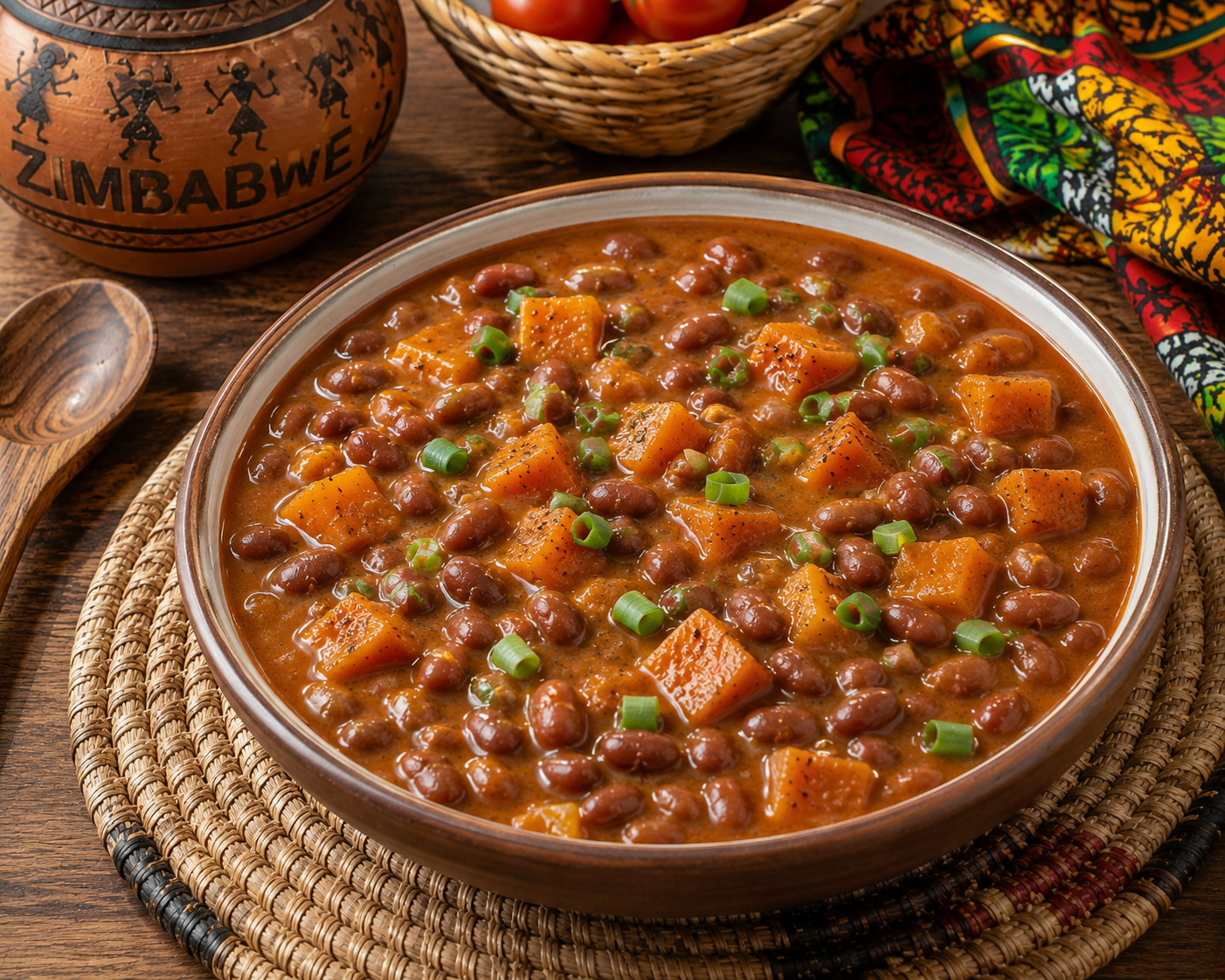
In Southern Africa, nyemba is also very present, notably in Zimbabwe, where the word nyemba can refer to beans or similar legumes. It is often served with sadza, a thick paste made from corn. This combination of cereal and legume is very important nutritionally, as it provides a balanced combination of carbohydrates, plant proteins, and fiber.
In West Africa, even if the term nyemba is not always used, the food itself is very similar to the beans and cowpeas found in dishes like bean stew, waakye, akara, moin-moin, or bean stews. This shows that, even when names change, the place of legumes remains central in African eating habits.
🥘 TRADITIONAL PREPARATIONS
Nyemba can be prepared in many ways. The most common method is to cook it for a long time in water until it becomes tender, then season it with a sauce made from onions, tomatoes, oil, salt, and chili. In some families, broth, cassava leaves, African spinach, smoked fish, dried shrimp, or meat are added.
Another popular preparation involves simmering nyemba with palm oil. This version yields a rich, fragrant, and colorful dish, highly appreciated with cassava or rice. The taste of palm oil brings a particular depth, typical of many Central African cuisines.
Nyemba can also be mashed after cooking to obtain a thick purée. This purée can be served with vegetables, tubers, or cereals. In some regions, beans are mixed with corn, rice, or plantain to form a complete dish. These combinations demonstrate traditional African culinary intelligence, which combines simple foods to create balanced meals.
In my books

Continue exploring the continent’s cuisines with Africa at the Table — 54 countries, 54 iconic dishes, by Alioune FALL. This book is in English.
Explore further
🌍 CULTURAL AND SOCIAL VALUE
Nyemba is not just a food ingredient. It also represents family cooking, patience, and sharing. Its cooking requires time, especially when prepared from dried seeds. This cooking time often fits into the rhythm of the home: it is put on the fire, accompaniments are prepared, the sauce is monitored, and then the family gathers around the meal.
In many African cultures, legume-based dishes are associated with generosity. A large pot of nyemba can feed several people. It is a dish that is easily shared with children, neighbors, or guests. It embodies a form of humble but essential cuisine, where richness does not necessarily come from the luxury of ingredients, but from taste, care, and conviviality.
Nyemba also recalls the importance of local agriculture. Beans are grown in many African regions, sometimes in small family fields. They contribute to food security because they store well once dry. This storage capacity is valuable, especially in areas where access to fresh produce can vary with the seasons.
💪 NUTRITIONAL INTEREST
Nyemba is highly valued for its nutritional richness. It contains plant proteins, making it an excellent alternative or complement to meat and fish. It also provides fiber, useful for digestion and satiety. Regular consumption can help maintain a balanced diet, especially when combined with cereals like rice, corn, or millet.
It also contains important minerals such as iron, magnesium, potassium, and sometimes zinc, depending on the variety. These nutrients are essential for energy, muscle health, and proper body function. Thanks to its richness in complex carbohydrates, nyemba provides progressive energy, suitable for family meals and active days.
However, like many legumes, it can be difficult for some people to digest. Soaking before cooking, rinsing, and sufficient cooking make it more digestible. The addition of spices like ginger, garlic, or certain local herbs can also help improve its assimilation.
🔥 CONTEMPORARY IMPORTANCE
Today, nyemba retains its full place in modern African cuisine. It is used in homes, African restaurants, vegetarian meals, and diaspora kitchens. For many people living far from their country of origin, eating nyemba is a way to rediscover the tastes of childhood, family memories, and cultural identity.
It also adapts to new eating habits. It can be prepared in salads, light stews, purées, as a side dish for grilled vegetables, or even in recipes inspired by fusion cuisine. Despite these evolutions, it retains its authentic character: a simple, nourishing, comforting, and deeply African food.
Nyemba perfectly illustrates the strength of African cuisine: transforming accessible ingredients into dishes rich in meaning, taste, and memory. It is at once everyday food, a symbol of sharing, an agricultural resource, and an element of cultural identity.
📝 SYNONYMS
Bean, dried bean, legume, cowpea depending on the region, African bean according to some local uses.
🔑 KEYWORDS
Nyemba, African bean, African cuisine, legume, traditional dish. Send message
In the kitchen : Nyemba
Recipes from the site to put your knowledge into practice:
Discover these cuisines at a restaurant
Explore our restaurant and caterer directories. Choose your destination and check the establishment’s menu to confirm which dishes are offered and available.
Continue exploring
Enjoy discovering ingredients and African cuisines? Join our newsletter. The illustrated PDF 10 sauces africaines incontournables is in French and is offered after confirming a subscription to the French or bilingual edition.