Ukpaka
Nigeria, West Africa
Understanding : Ukpaka
🌿 UKPAKA: IDENTITY AND ORIGINS
Ukpaka is a very important traditional ingredient in African cuisine, particularly in the Igbo region of Nigeria, where it holds culinary, cultural, and identity significance. It consists of seeds from the African oil bean tree, processed by fermentation after cooking and careful preparation. In several regions, ukpaka is also known as ugba, and this name varies according to linguistic usage, localities, and family customs. This product belongs to the large family of African fermented foods that give dishes remarkable aromatic depth and a very distinctive character.
What makes ukpaka valuable is not just its taste, but also the history it carries. It symbolizes expertise passed down from generation to generation, mastery of fermentation time, patience in preparation, and the art of enhancing local resources. In households where it is common, ukpaka is not perceived as a simple side dish. It is a foundation of culinary memory, a marker of belonging, and an element of continuity between the past and the present.
Where to find it
Look for the exact food-grade form required by the recipe at markets and specialist shops. Check the product name, ingredients, condition and storage instructions.
Explore further: Cooking tips · Food hygiene and safety advice.
History and uses
🍲 ITS PLACE IN AFRICAN CUISINE
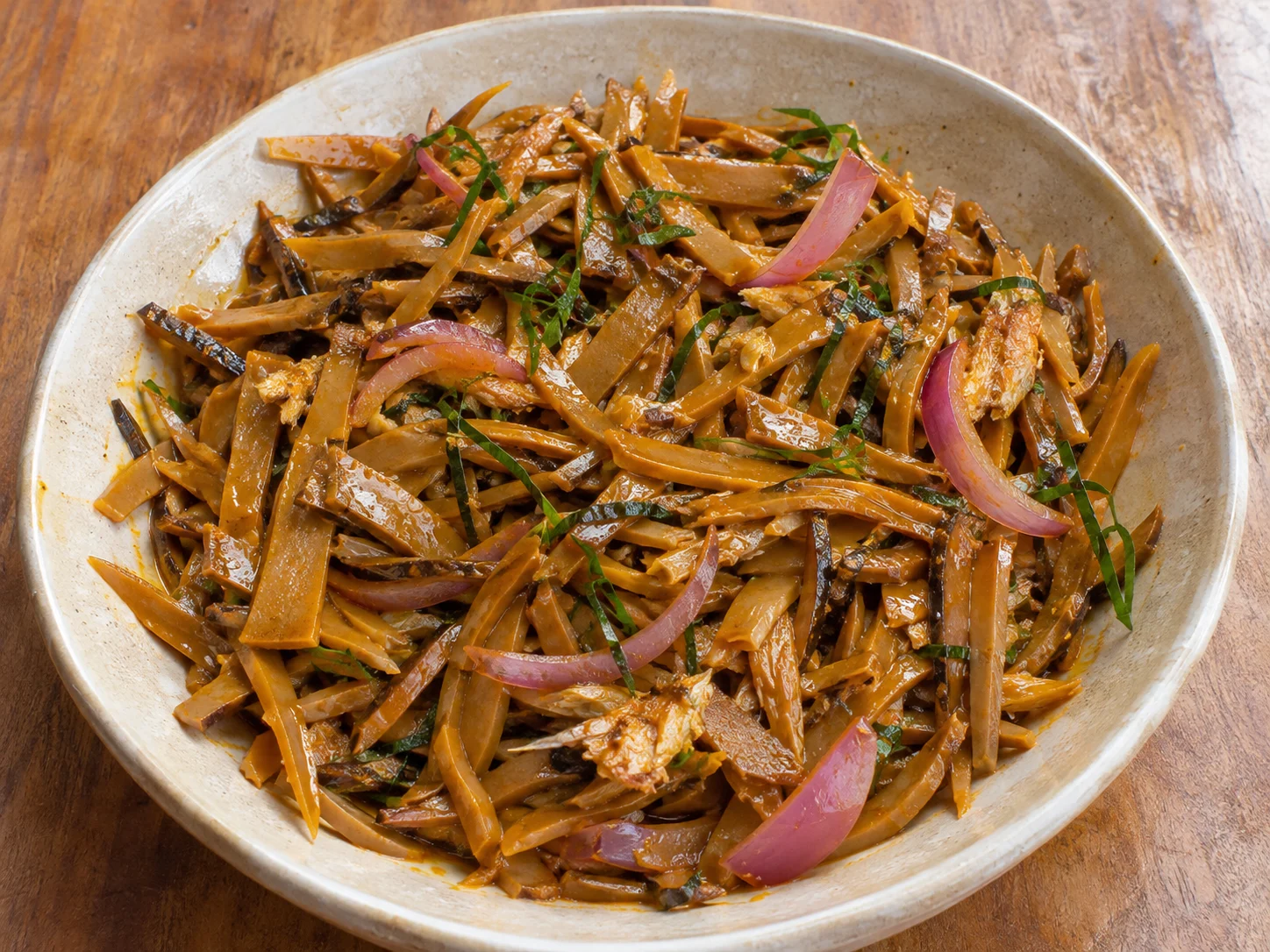
In African cuisine, ukpaka holds a very special place because it perfectly illustrates how fermented foods contribute to the construction of taste. It is often used as a main ingredient or as an essential component of salads, sauces, and cold or lukewarm dishes. In Igbo cuisine, it is frequently associated with preparations such as ugba and okporoko, ukpaka salads with vegetables, mixtures with palm oil, chili, onion, and dried fish, or dishes served at family gatherings.
Its role in African cuisine goes far beyond simple flavor. Ukpaka brings a unique texture, both tender and slightly fibrous, with a mouthfeel that differs from other condiments. It also imparts a deep, persistent fermented note that enriches dishes made with tubers, fish, meats, or vegetables. In many African meals, the goal is not to mask ingredients, but to make them interact. Ukpaka participates in this dialogue by giving relief and a strong identity to the whole.
In African cuisines, fermented foods have always held a strategic place. They are used to preserve, transform, and enhance flavors. Ukpaka is part of this tradition alongside other products such as soumbala, afitin, dawadawa, ogiri, or nététou. Each of these foods has its own history, but all share a common logic: to turn local produce into a rich culinary experience. Ukpaka thus testifies to an African culinary intelligence based on slow transformation, patience, and the valorization of local seeds.
🫘 FLAVOR, TEXTURE, AND USES
The flavor of ukpaka is very recognizable. It is bittersweet, slightly tangy, deeply fermented, and very fragrant. Depending on the level of fermentation and how it has been prepared, its taste can be more or less pronounced. For some, this intensity can be surprising at first contact. For others, it immediately evokes family cooking, festive meals, and village traditions. It is a taste that asserts itself without aggression, but with a true personality.
The texture of ukpaka is also important in its appreciation. Once fermented, it becomes supple, slightly fibrous, and tender. It is often cut into thin strips or small pieces before being incorporated into a preparation. It can be mixed with palm oil, raw or sautéed onion, tomatoes, chili, dried shrimp, smoked fish, or local spices. In some dishes, it is served almost like a salad, while in others it accompanies richer sauces.
In my books

Continue exploring the continent’s cuisines with Africa at the Table — 54 countries, 54 iconic dishes, by Alioune FALL. This book is in English.
Explore further
Ukpaka is very versatile. It can be eaten alone, as a condiment, or combined with other ingredients to form a complete dish. It pairs well with bread, boiled yams, akpu, fufu, rice, and various starches. This adaptability explains its strong presence in daily cuisine. It is both simple and sophisticated, popular and noble, ordinary and festive.
🌍 CULTURAL, SOCIAL, AND NUTRITIONAL VALUE
Ukpaka is not understood solely by taste. It must also be considered as a cultural product that tells a way of life and cooking. In communities where it is highly valued, its preparation and consumption are linked to collective memory. It often appears in shared meals during ceremonies, family visits, markets, or festivals. It then expresses hospitality, community ties, and respect for guests.
Its production often relies on orally and practically transmitted knowledge, particularly by women, although this may vary by region. This culinary heritage is precious because it maintains a living relationship between natural resources, artisanal transformation, and daily consumption. Ukpaka therefore also represents a local economy, made up of small productions, market sales, and specialized knowledge.
Nutritionally, ukpaka is valued for its contribution of plant proteins and for the qualities that fermentation can impart to seeds. Fermentation often improves digestibility and develops complex aromas. In a diet where animal proteins are not always abundant or accessible, this type of product plays a useful role. It enriches the meal without requiring large quantities, while providing satisfaction and depth to the dish.
🔥 CURRENT PLACE AND CULINARY HERITAGE
Even today, ukpaka remains very much alive in African cuisine. Despite the presence of industrial seasonings and faster consumption patterns, it retains strong emotional and identity value. Many people continue to seek it out because it evokes authentic cuisine, the family home, and the tastes of childhood. It is not just a traditional product: it is also a benchmark of continuity.
Chefs and African cuisine enthusiasts are now rediscovering ukpaka as a noble ingredient. It is found in modern revisited recipes, in more refined presentations, or in gastronomic approaches that aim to highlight African fermented products. This new recognition shows that ukpaka does not belong to the past. It can very well integrate into contemporary, creative cuisine rooted in heritage.
Ukpaka thus embodies an African cuisine of transformation, patience, and deep taste. It reminds us that the most seemingly modest ingredients can become essential when worked with knowledge and respect. Its place in African cuisine is therefore central, not only for what it brings to dishes, but also for what it represents in terms of memory, identity, and transmission.
🌿 SYNONYMS AND RELATED NAMES
ugba African oil bean fermented oil seeds fermented Igbo condiment African locust bean
🔑 KEYWORDS
ukpaka, ugba, Igbo cuisine, African fermentation, traditional condiment
In the kitchen : Ukpaka
Recipes from the site to put your knowledge into practice:
Discover these cuisines at a restaurant
Explore our restaurant and caterer directories. Choose your destination and check the establishment’s menu to confirm which dishes are offered and available.
Continue exploring
Enjoy discovering ingredients and African cuisines? Join our newsletter. The illustrated PDF 10 sauces africaines incontournables is in French and is offered after confirming a subscription to the French or bilingual edition.