Arraw
Senegal
Understanding : Arraw
🌾 ARRAW: ORIGIN AND IDENTITY
Arraw, or araw, consists of granules made by moistening and rolling flour, particularly familiar in Senegal. It is often made from millet and used in porridges, notably lakh. The rolled granules are generally larger than thiéré grains, although size depends on production. This process distinguishes it from meal obtained simply by cracking a grain.
Turning millet into arraw provides a practical base for porridges and milk preparations. Granules may be sold fresh, dried or after a cooking stage: consult the product instructions rather than assuming every form cooks in the same way.
Where to find it
Look for the exact food-grade form required by the recipe at markets and specialist shops. Check the product name, ingredients, condition and storage instructions.
Explore further: Cooking tips · Food hygiene and safety advice.
History and uses
🍚 ITS PLACE IN AFRICAN CUISINE
In African cuisine, arraw holds a prominent place because it embodies simplicity, nutrition, and culinary flexibility. It is one of those staple foods that can become different dishes depending on how they are prepared. It can be steamed, served with milk, mixed with butter, sugar, or honey, or combined with savory sauces. This adaptability is one of the great strengths of African cuisines: the same product can travel from a morning meal to a snack, then to a dessert or a more substantial dish.
In Senegal, arraw is particularly associated with lakh, a porridge served notably with fermented milk. Cooking must hydrate the centre of the granules and provide a suitable serving consistency. Milk and sugar can then be adjusted to family tastes. Do not automatically apply the cooking method for fine couscous.
Granulation is a precise transformation: flour is gradually moistened, worked into grains and sieved to even out their size. These operations require experience. Drying, when practised, facilitates storage and must take place under conditions appropriate for food.
🌍 FLAVOR, TEXTURE, AND USES
Arraw is distinguished by its granular, light, and supple texture when properly prepared. Cooked correctly, it remains soft without becoming pasty. This texture is highly appreciated in African dishes because it absorbs sauces, milk, or broths well while maintaining its structure. Its basic taste is mild, discreet, and cereal-like, making it easy to combine with other ingredients.
In its savory version, arraw can accompany vegetables, fish, meat, or traditional sauces. In its sweet version, it pairs with milk, sugar, vanilla, cinnamon, coconut, or even some fruits. This versatility explains its popularity. It can be served hot or warm, according to preference. It can also be incorporated into more elaborate recipes, particularly desserts or celebratory dishes where the fine cereal provides a nourishing and elegant base.
Arraw, thiéré, thiakry and sankhal belong to the vocabulary of cereal products, but the names are not interchangeable. Arraw is rolled from flour; sankhal is cracked millet; thiéré is a couscous. These processing differences change texture, water requirements and cooking.
In my books
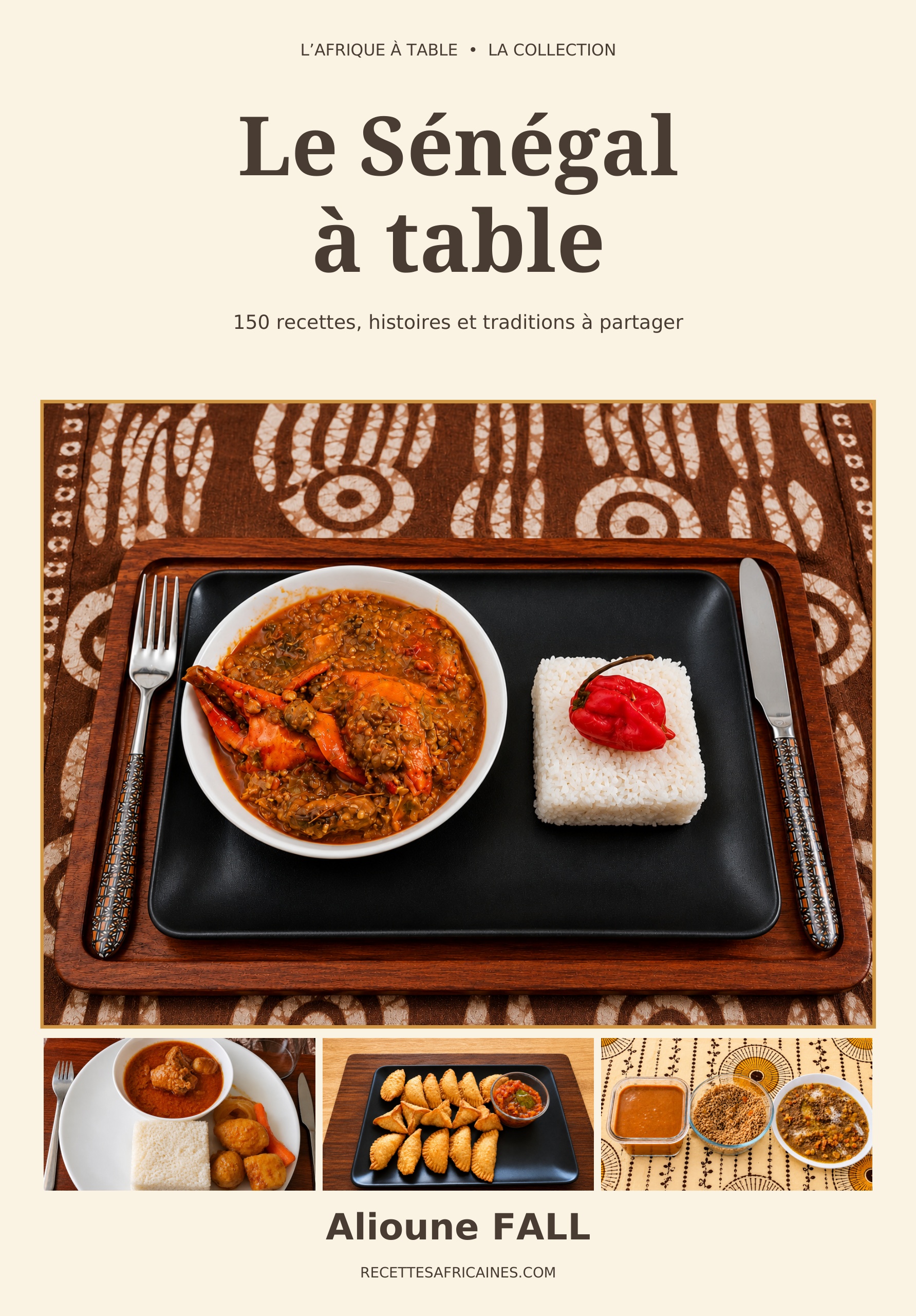
Explore Senegalese cooking with Le Sénégal à table, my collection of 150 recipes, stories and traditions to share. This book is in French, by Alioune FALL.
Explore further
🥣 NUTRITIONAL AND CULTURAL VALUE
Arraw is appreciated for its nutritional qualities, as it is based on local cereals rich in energy, fiber, and nourishing elements. In African societies where millet and fonio have a historical place, this type of preparation constitutes an adapted response to daily needs. It provides satiety, energy, and an easily digestible food base. This is one of the reasons why it is often found in morning meals or in light dishes intended to sustain without being heavy.
Its cultural value is just as important. Arraw evokes markets, the gestures of mothers and grandmothers, mortars, sieves, baskets of cereals, and kitchens where one learns to recognize the right texture of a processed grain. It is part of memory foods, those that recall childhood, seasons, family celebrations, and shared meals. In many families, preparing arraw is a gesture transmitted by observation and habit, rather than by writing. This oral transmission gives it an essential place in African culinary heritage.
Arraw also reflects a very African food intelligence: maximizing the value of local cereals, avoiding waste, and creating simple but meaningful dishes. It belongs to this everyday cuisine that knows how to be both economical, nourishing, and refined. Even when it seems modest, arraw tells a story of resilience, diversity, and know-how.
🫓 TRANSMISSION, MODERNITY, AND CONTEMPORARY PLACE
Even today, arraw retains an important place in African kitchens, despite the rise of industrial products and faster eating habits. It continues to be prepared in homes, sold in markets, and integrated into modernized recipes. Some cooks revisit it with plant-based milk, fruits, mild spices, or more contemporary presentations, but without losing its basic identity.
This continuity is valuable because it shows that African cereals are not foods of the past. They can be part of a modern, healthy, and creative cuisine. Arraw naturally finds its place there, because it is both traditional and adaptable. It can be served as a family dish, as a light dessert, or as a base for more current creations. It also increasingly interests African cuisine enthusiasts who are looking for authentic products deeply rooted in the terroirs of the continent.
Arraw illustrates the transformation of flour into a product recognised by its granules and use. Describing granulation, distinguishing related products and passing on cooking knowledge help preserve Senegalese culinary heritage.
🌾 SYNONYMS AND RELATED NAMES
arraw araw rolled millet-flour granules
🔑 KEYWORDS
arraw, Senegalese cuisine, millet, fonio, African cereals
Practical notes and Senegalese terminology
In common Senegalese usage, arraw or araw is made by rolling moistened flour into granules, often larger than couscous grains. It is notably used for lakh. Distinguishing it from sankhal, cracked millet, helps avoid unsuitable cooking. Grain size varies: check the centre during cooking rather than relying only on the outside appearance.
In the kitchen : Arraw
Recipes from the site to put your knowledge into practice:
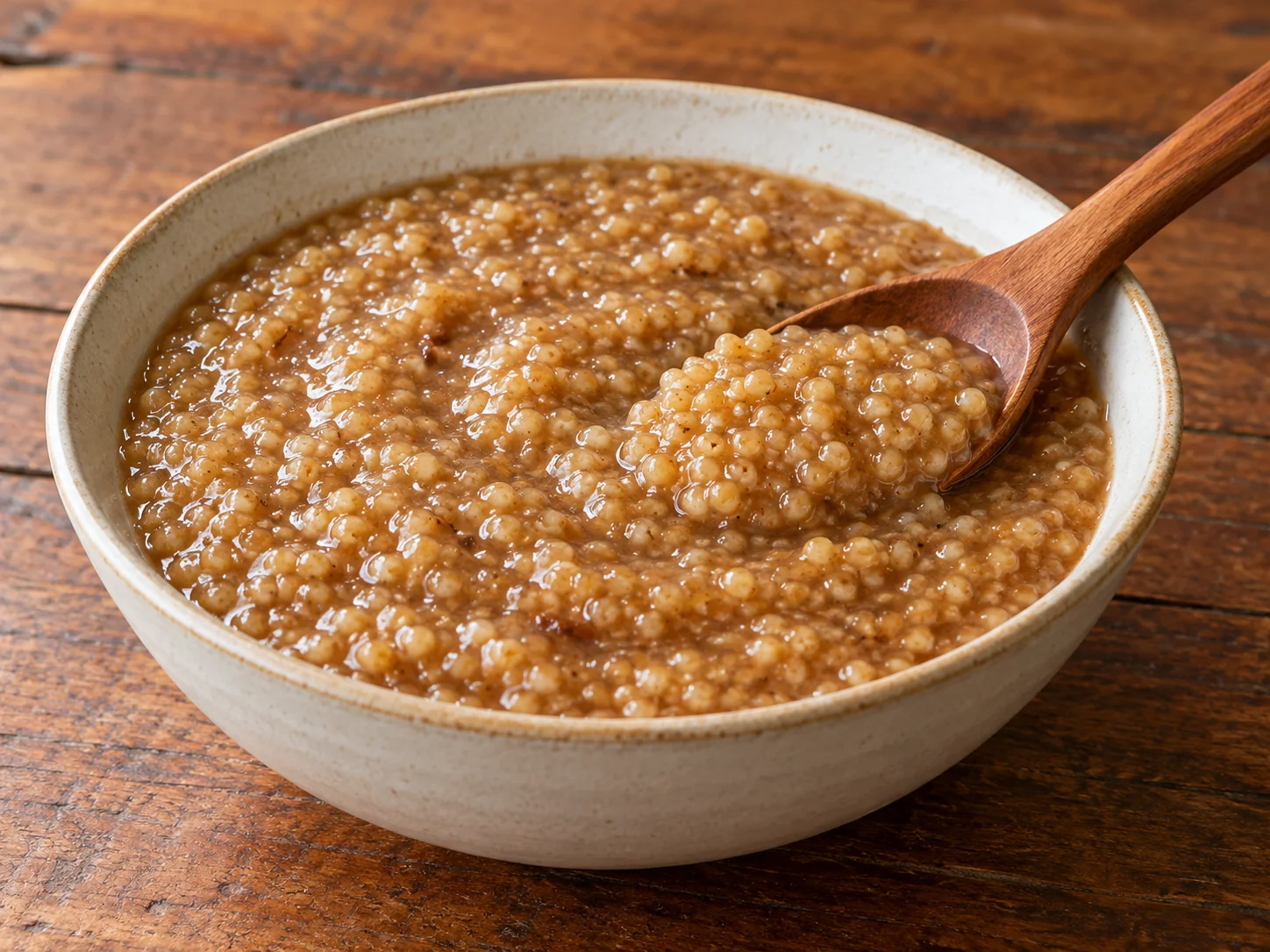
Discover these cuisines at a restaurant
Explore our restaurant and caterer directories. Choose your destination and check the establishment’s menu to confirm which dishes are offered and available.
Continue exploring
Enjoy discovering ingredients and African cuisines? Join our newsletter. The illustrated PDF 10 sauces africaines incontournables is in French and is offered after confirming a subscription to the French or bilingual edition.