Fried Fish
West Africa
Understanding : Fried Fish
🌍 HISTORY AND IDENTITY OF FRIED FISH
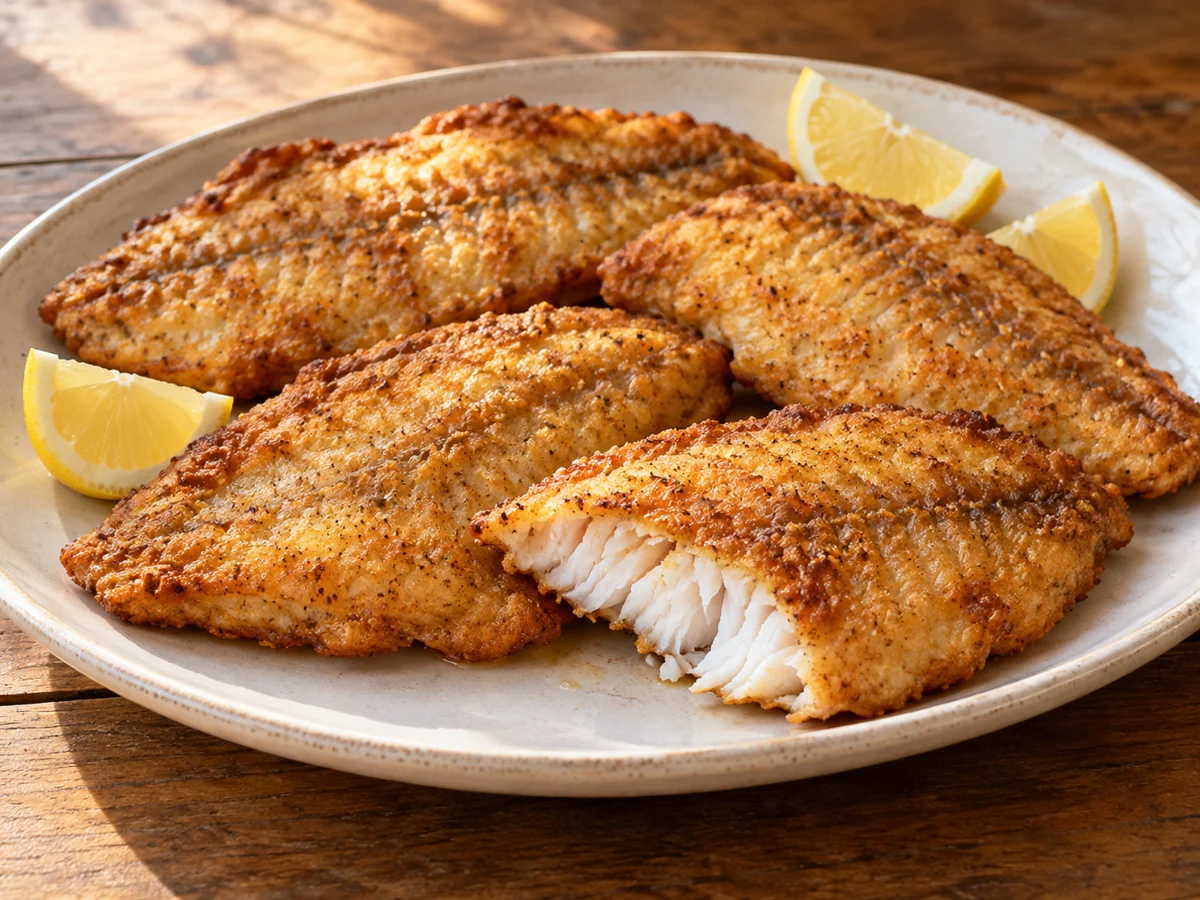
Fried fish is one of the simplest, most universal, yet most appreciated preparations in African cuisine. Present on the coasts, along rivers, in markets, family homes, and popular restaurants, it embodies a direct and generous way of cooking fish. Depending on the region, it is prepared whole, in steaks or fillets, sometimes floured, sometimes simply marinated with salt, garlic, lemon, ginger, chili, or local spices before being plunged into hot oil. The result is always appealing: golden and crispy skin, tender and fragrant flesh, and an irresistible aroma that evokes both festive and everyday meals.
In many African cultures, fried fish is not just a dish; it is also a symbol of conviviality. It is served at large family tables, during reunions, ceremonies, lazy Sundays, or in street food where it is enjoyed with bread, rice, plantain, fried bananas, or spicy sauces. Its apparent simplicity hides true mastery: choosing the right fish, seasoning it well, controlling the oil temperature, and maintaining a beautiful texture without drying out the flesh.
Prepare this speciality
Choose a detailed recipe, adjust the portions and prepare your ingredients before starting. Our cooking tips and food safety advice complement the steps described in the recipes.
Explore further: Cooking tips · Food hygiene and safety advice.
History and uses
🌊 PLACE IN AFRICAN CUISINE
Fried fish holds an important place in African cuisine, especially in coastal regions and areas where fishing is part of the daily economy. In West Africa, North Africa, East Africa, and some regions of Central Africa, fish is a staple food. It can come from the sea, rivers, lakes, or ponds, and frying allows it to be preserved for some time while concentrating its flavors.
This preparation perfectly illustrates the ability of African cuisines to transform a raw product into a delicious dish without complicated techniques. Fried fish can be served alone, accompanied by tomato sauces, achards (pickles), chilies, sautéed vegetables, or local starches. It fits equally well into home cooking and street food. In many countries, it is sold in markets, at beach exits, near bus stations, or in small neighborhood restaurants. This makes it a popular, accessible dish deeply rooted in daily life.
In some regions, it accompanies dishes like jollof rice, foutou, alloco, semolina, couscous, cassava, or yams. Elsewhere, it is part of a more Mediterranean plate, with salad, lemon, and bread. This diversity proves its solid place in the African culinary universe, where local, Arab, Mediterranean, and Atlantic influences constantly intertwine.
🔥 TECHNIQUE, FLAVORS, AND TEXTURE
The success of fried fish relies on the balance between crispiness and tenderness. Good frying should create a golden crust that protects the flesh and gives it character, while keeping the inside tender and juicy. For this, the fish is often cleaned, lightly incised, then seasoned in advance. Marinades vary greatly from one region to another, but often include garlic, onion, lemon, pepper, ginger, paprika, chili, thyme, or coriander.
The type of fish also plays an essential role. Firm-fleshed fish tolerates frying better and retains its shape. More delicate fish require more care. Some people prefer whole fish to preserve flavors and traditional appearance; others choose pieces or fillets for easier eating. There are also versions lightly coated with flour, semolina, starch, or a spicy batter to obtain a light and crispy breading.
The taste of fried fish is marine, spicy, and gourmet all at once. It can be simple, with a basic salt and lemon seasoning, or very flavorful with more assertive spices. Frying imparts a warm and festive note, much appreciated for Sunday meals or celebrations. It is also a cooking method that evokes patience and know-how: the right oil temperature is crucial, as it allows for beautiful browning without excessive greasiness.
In my books
Explore Senegalese cooking with Le Sénégal à table, my collection of 150 recipes, stories and traditions to share. This book is in French, by Alioune FALL.
Explore further
🕌 CULTURAL AND SOCIAL CONTEXT
Fried fish holds an important social place in many African families. It is often associated with days when one wants to eat well without complicating the preparation. In some homes, it is reserved for meals with guests. In others, it is part of everyday cooking, especially when fish is readily available in the local market.
This dish is also very present in street food, where it is appreciated for its quick service and immediate taste. It is enjoyed hot, sometimes with fresh chili, a spicy tomato sauce, marinated raw onions, or a squeeze of lemon. It accompanies moments of travel, breaks, discussions, and sharing around food. In this sense, it is much more than just fried fish: it is part of a way of life and coming together.
🥗 NUTRITIONAL INTEREST
Fried fish retains many of the fish's qualities, including its proteins, minerals, and good fats, depending on the species used. It provides important nutrients such as phosphorus, iodine, selenium, potassium, and certain B vitamins. It is a good source of quality protein, useful in a balanced diet.
However, frying increases the caloric content of the dish. Depending on the amount of oil absorbed, fried fish can become quite rich, especially if accompanied by fries, fatty sauces, or large portions of starches. Nevertheless, it remains interesting when served with vegetables, a salad, or a lighter side dish. Cooking can be adapted according to preferences: classic frying for taste, well-controlled oil cooking to limit excess fat.
🍚 ACCOMPANIMENTS AND DRINKS
Fried fish pairs well with many African side dishes: fragrant rice, attieké, alloco, sweet potato fries, foutou, couscous, traditional bread, fresh salads, spicy sauces, sautéed vegetables.
As for drinks, it goes well with fresh water, fruit juices, bissap, ginger, iced tea, or a lemon-based drink. The freshness of these drinks perfectly balances the richness of the fried dish.
🔁 SYNONYMS AND SIMILAR NAMES
Fried fish can also be called: African-style fried fish, golden fish, breaded fried fish, crispy fish, oil-roasted fish.
These expressions are not always strictly identical, but they refer to the same family of preparations. Depending on the region, the shape, marinade, or breading changes, but the spirit remains the same: a well-seasoned, well-fried fish served hot.
✨ CONCLUSION
Fried fish is a dish deeply rooted in African cuisine. It reflects the richness of the coasts, the creativity of the markets, the conviviality of families, and the know-how of cooks who know how to sublimate a simple ingredient. Its strength lies in its versatility: it can be an everyday dish, a festive meal, street food, or an elegant accompaniment. Crispy on the outside, tender on the inside, it crosses regions and traditions without losing its identity. It is a preparation that speaks of the sea, fire, sharing, and culinary memory.
KEYWORDS: fried fish, African cuisine, frying, fish, coastal cuisine
SYNONYMS: African-style fried fish, golden fish, breaded fried fish, crispy fish, oil-roasted fish
© Photo credit: recettesafricaines.com (Khalifa). All rights reserved
In the kitchen : Fried Fish
Recipes from the site to put your knowledge into practice:
Discover these cuisines at a restaurant
Explore our restaurant and caterer directories. Choose your destination and check the establishment’s menu to confirm which dishes are offered and available.
Continue exploring
Enjoy discovering ingredients and African cuisines? Join our newsletter. The illustrated PDF 10 sauces africaines incontournables is in French and is offered after confirming a subscription to the French or bilingual edition.