Sautéed Shrimp
Coastal Africa
Understanding : Sautéed Shrimp
🦐 SAUTÉED SHRIMP AND CULINARY IDENTITY
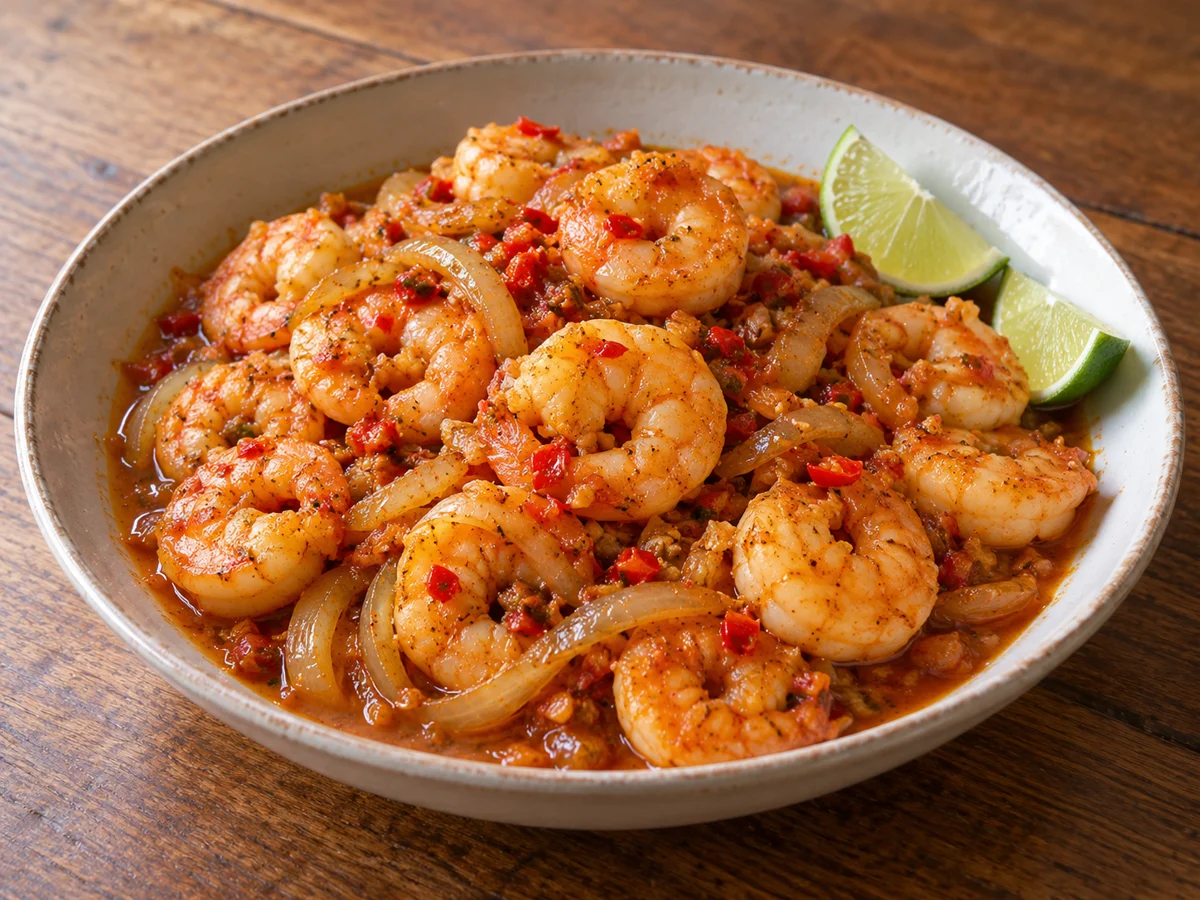
Sautéed shrimp hold a special place in many African cuisines, especially in coastal regions and areas where seafood is abundant, fresh, and integrated into daily eating habits. It's a preparation that appears simple, yet is very expressive in flavor. Shrimp are generally peeled or left whole depending on tradition, then quickly seared in a pan or wok with garlic, onion, chili, ginger, herbs, and sometimes a little tomato, lemon, or flavored oil. The result is a tender, juicy, glistening, and fragrant bite, which can be served as a starter, side dish, or light main course.
In the African culinary world, sautéed shrimp demonstrate how cuisine can be both quick, elegant, and deeply rooted in the local terroir. They highlight seafood without masking its natural flavor. The high-heat cooking preserves the shrimp's natural sweetness, while developing powerful aromas thanks to the spices and the heat of the pan. It's a highly appreciated recipe in homes, restaurants, seaside grills, and street food. It immediately evokes freshness, conviviality, and the art of precise seasoning.
Prepare this speciality
Choose a detailed recipe, adjust the portions and prepare your ingredients before starting. Our cooking tips and food safety advice complement the steps described in the recipes.
Explore further: Cooking tips · Food hygiene and safety advice.
History and uses
🌍 PLACE IN AFRICAN CUISINE
Sautéed shrimp hold an important place in coastal African cuisines, particularly in West Africa, Central Africa, East Africa, the Indian Ocean islands, and some regions of the Maghreb. In these areas, the sea, lagoons, estuaries, and rivers provide fresh or dried shrimp that are incorporated into many dishes. Sautéing is particularly suitable because it is quick, efficient, and enhances the delicate texture of the crustacean.
In coastal countries, sautéed shrimp often accompany rice, couscous, local pasta, plantains, yams, cassava, or stir-fried vegetables. They can also be served with sauces of varying spiciness, depending on regional customs. In families as well as in restaurants, they symbolize a generous yet refined cuisine, where the aim is to preserve the product's taste without overpowering it.
This preparation is also representative of the mobility of African cuisines. Sautéed shrimp can be influenced by Mediterranean, Arab, Portuguese, Creole, or Indian traditions, while remaining very African in their seasoning and serving style. They illustrate a cuisine of circulation, exchange, and adaptation. They are found in everyday meals as well as on festive tables, where they bring a refined and celebratory touch.
🔥 HISTORY AND CULTURAL CONTEXT
The history of sautéed shrimp is linked to the ancient consumption of marine products in coastal African societies. For centuries, populations living near seas and rivers have developed techniques for quickly cooking seafood, often with simple, locally available ingredients. Sautéing naturally became popular because it preserves the delicacy of the flesh while incorporating the flavors of spices and aromatics.
Culturally, sautéed shrimp are often associated with shared meals, large family gatherings, and celebratory moments. In some regions, they are part of the dishes served during important visits, religious holidays, ceremonies, or weekend meals. They then represent a certain level of generosity, as shrimp are perceived as a precious product, appreciated for their delicacy and taste value.
In urban African kitchens, they have also gained popularity due to their quick preparation. They are perfect for modern meals where one wants to combine taste, freshness, and efficiency. They can be prepared in a few minutes, making them ideal for busy families or impromptu meals. Yet, despite this simplicity, they retain a strong cultural anchor and remain linked to the idea of a flavorful and elegant dish.
🍤 FLAVORS, TEXTURE, AND TECHNIQUE
The success of sautéed shrimp relies on the balance between high heat, seasoning, and respect for the product. A well-sautéed shrimp should remain tender, slightly pearly inside, with a surface that is just colored and fragrant. If cooked too long, it becomes rubbery and loses its delicacy. If cooked too short, it may lack aromatic development. The art, therefore, lies in searing quickly without overcooking.
In my books

Continue exploring the continent’s cuisines with Africa at the Table — 54 countries, 54 iconic dishes, by Alioune FALL. This book is in English.
Explore further
Flavors vary by region, but garlic, onion, ginger, chili, pepper, lemon, parsley, cilantro, African basil, or local spices are frequently found. Some versions use a tomato base to create more sauce. Others remain dry, with just a coating of flavored oil and condiments. Shrimp can be marinated before cooking or simply sautéed after quick seasoning.
Texture is particularly important. Shrimp should remain plump and slightly firm, while the entire dish should be glistening, appetizing, and well-bound by the fat and cooking juices. Quick sautéing allows for a pleasant contrast between the slightly caramelized exterior and the tender interior. It's a dish that relies heavily on precise execution.
🥗 NUTRITIONAL VALUE AND BENEFITS
Sautéed shrimp offer real nutritional benefits. Shrimp are rich in high-quality protein, while being relatively low in fat. They also provide essential minerals such as iodine, selenium, phosphorus, and zinc, as well as B vitamins. It is a valued food in balanced meals, especially when accompanied by vegetables or moderate starches.
The sautéing method can remain quite light if little oil is used. The vegetables, herbs, and spices that accompany it further enrich the dish with antioxidants and micronutrients. When served with rice, cassava, or plantain, sautéed shrimp form a complete, satisfying meal that is often well-accepted by the whole family.
However, attention must be paid to seasoning and the amount of fat used. Some versions that are very rich in oil or sauce can become more caloric. But overall, sautéed shrimp are a preparation that can perfectly integrate into a varied and modern diet. They combine pleasure and lightness, which explains their lasting popularity. 🧡
🍚 SIDE DISHES AND DRINKS
Sautéed shrimp pair well with many African side dishes:
white rice or fragrant rice attiéké fried ripe plantain boiled cassava couscous stir-fried vegetables sweet potato fries traditional bread As for drinks, they go very well with:
fresh water ginger juice bissap lemon juice iced tea tropical fruit drink They can be served as a warm starter, as a garnish for a main course, or as a dish to share around a large table. Their versatility is one of their greatest qualities.
🔁 SYNONYMS AND SIMILAR TERMS
Sautéed shrimp can also be called:
pan-fried shrimp shrimp stir-fried in a pan garlic shrimp spicy sautéed shrimp golden shrimp These terms are not always strictly identical, but they refer to the same family of preparations: shrimp quickly cooked over high heat with aromatics.
✨ CONCLUSION
Sautéed shrimp hold an important place in African cuisine thanks to their simplicity, speed, and ability to express all the delicacy of seafood. They reflect coastal traditions, a love of spices, a sense of sharing, and the creativity of African cuisines. Whether served with rice, plantain, attiéké, or vegetables, they always bring a touch of freshness, color, and refinement. It is a modern and traditional dish at the same time, deeply rooted in the culture of taste and life.
KEYWORDS: sautéed shrimp, African cuisine, seafood, coastal cuisine, spices
SYNONYMS: pan-fried shrimp, shrimp stir-fried in a pan, garlic shrimp, spicy sautéed shrimp, golden shrimp
In the kitchen : Sautéed Shrimp
Recipes from the site to put your knowledge into practice:
Discover these cuisines at a restaurant
Explore our restaurant and caterer directories. Choose your destination and check the establishment’s menu to confirm which dishes are offered and available.
Continue exploring
Enjoy discovering ingredients and African cuisines? Join our newsletter. The illustrated PDF 10 sauces africaines incontournables is in French and is offered after confirming a subscription to the French or bilingual edition.