Cassava
South America (introduced to Africa 16th century)
Understanding : Cassava
INTRODUCTION
Cassava (Manihot esculenta, also known as yuca, mbala, bobolo, chikwangue, fufu, placali, attiéké, gari, etc., depending on the country and form) is a fundamental staple root in Sub-Saharan Africa. It shapes not only agricultural and food landscapes but also the continent's social, cultural, culinary, and economic history. Present in all markets – from Senegal to Mozambique, Cameroon to Madagascar – cassava accompanies, satisfies, and connects Africa in its plurality. A plant of adaptation and resilience, supporting both family ceremonies and modest daily meals, cassava is an identity marker and a pillar of food security. Behind its mild flavor and rough skin lies an extraordinary diversity of preparations, artisanal techniques, inherited knowledge, modern innovations, and social symbols. This rich overview explores the origin, spread, botany, processing, contributions, inventiveness, and place of cassava in African cuisine.
Where to find it
Look for it at a market or African grocery shop, fresh or frozen depending on the recipe. Ask the seller about the variety, ripeness and preparation instructions.
Explore further: Cooking tips · Food hygiene and safety advice.
History and uses
1. ORIGIN, HISTORY, AND SPREAD
Cassava is not native to Africa but to South America (Brazil, Amazon basin), domesticated several millennia ago. It only arrived in Sub-Saharan Africa in the 16th century, via the Portuguese, who first introduced it to the islands of the Gulf of Guinea, then to Congo, Angola, the Niger Delta, and finally to all tropical areas, in response to rising famines and the need for resilient crops. Its success in Africa is explained by: • Its resistance to drought, poor soils, and changing climates; • Its high yield (up to 40 tons per hectare); • Its ability to “secure” food between major harvests of millet, sorghum, corn, or rice; • Its family-based, non-mechanized cultivation, accessible to all generations, easily integrated into agro-pastoral or market gardening systems. Within a few centuries, cassava became deeply rooted in African soil and taste, altering landscapes, rural societies, and even demographics.
2. BOTANY, VARIETIES, AND AGRICULTURAL CYCLE
Cassava is a perennial, shrubby plant that can reach up to 2-3 meters in height. Its light or dark green, palmate leaves are also consumed in some regions. There are two main types of cassava: • Bitter cassava: rich in cyanogenic glucosides (releasing cyanide), requiring extensive preparation to eliminate its toxicity (soaking, fermentation, drying, cooking). • Sweet cassava: less toxic, simple cooking is sufficient, often preferred for direct consumption. The tuberous root – the main edible part – appears as a large, fleshy, cylindrical root with white, yellowish, or pink flesh depending on the variety. A family field of 50 to 150 roots can feed a household for an entire year. The plant is propagated by cuttings (stem sections planted in the ground), requires little fertilizer or pesticides, and tolerates climatic conditions where many other crops fail. Harvest occurs 9 to 24 months after planting, depending on the variety and intended use.
3. PROCESSING AND TREATMENT
Raw cassava, especially bitter varieties, is toxic (potential for cyanide poisoning). Africa has developed a multitude of detoxification techniques: 3.1. Soaking and Fermentation • Peeled, grated, or cut roots are submerged in water (up to 3 days), then drained and pressed to extract moisture and toxins. 3.2. Drying – Roasting – Grinding • Fermented or unfermented cassava is sun-dried then pounded or ground to obtain raw flour. It can then be roasted (gari/Nigeria, raw attiéké/Côte d’Ivoire) or steamed. 3.3. Cooking or Wet Preparation • Direct cooking (sweet cassava) in boiling water or by steaming. • Preparation into a paste, based on cooked puree (fufu, placali). Cassava processing – often managed by women – represents an essential craft in village economies: graters, pounders, market vendors, intermediate processors, urban industrial units.
4. MAJOR PREPARATIONS AND AFRICAN CULINARY DIVERSITY
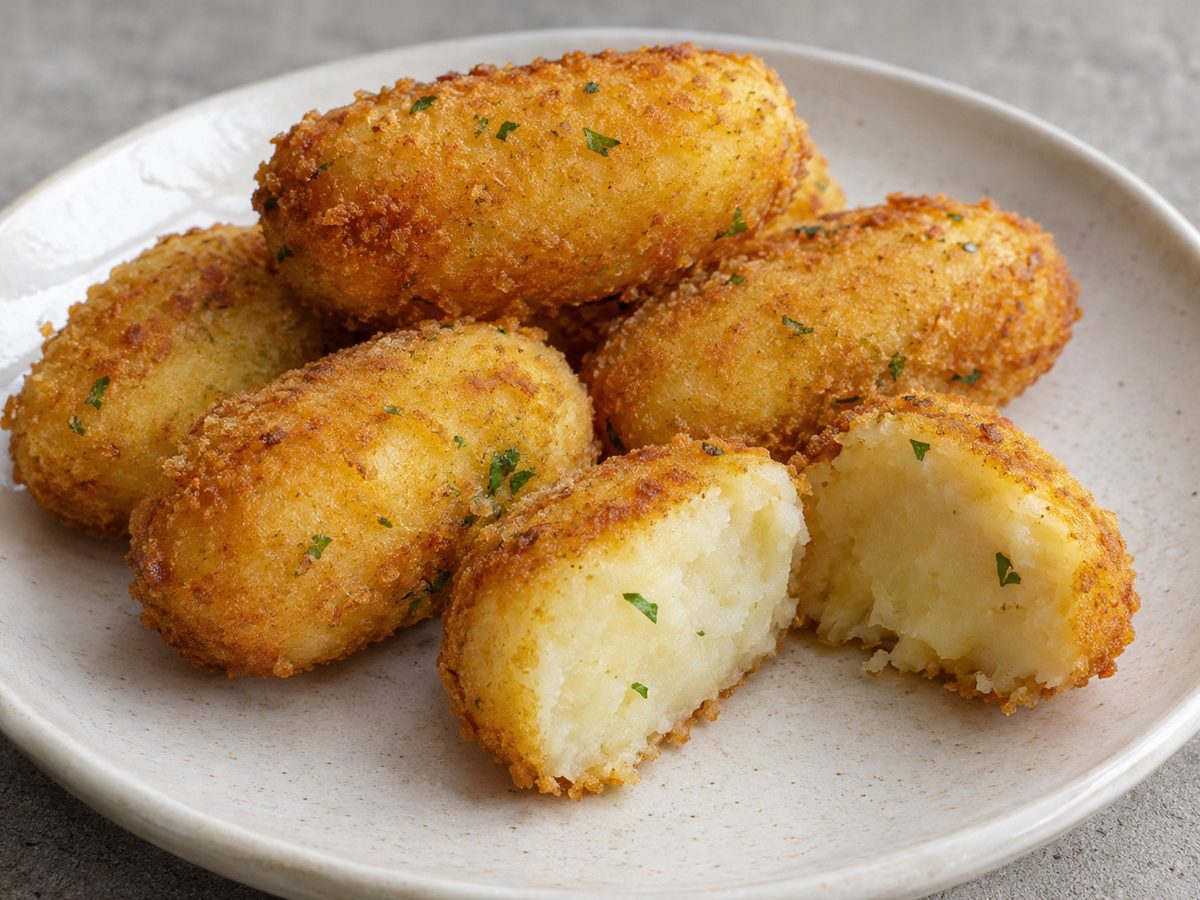
Cassava, in cuisine and culture, is much more than just boiled root. It comes in dozens of forms depending on cultural areas: 4.1. Fresh Cassava (boiled or roasted) • Peeled and cut tubers, cooked in water with a little salt, sometimes roasted over a wood fire (Nigeria, Cameroon, Congo, Mozambique). • Eaten hot for breakfast, as a snack, or with a light sauce. 4.2. Fufu, foufou, placali, chikwangue, bobolo, agbelima • Fermented cassava, reduced to a paste, is cooked and beaten for a long time, then molded into balls. It accompanies sauces, fish stews, meats, and leafy greens. • Chikwangue (DRC, Congo, Gabon), or bobolo (Cameroon, Gabon), consists of fermented paste steamed in leaves (banana, marantaceae) and sold in sticks. 4.3. Attiéké (Côte d’Ivoire) • Fermentation, pressing, sieving, then steaming: fine, airy grains, with a texture similar to couscous, served cold or hot, accompanied by grilled fish, onions, tomatoes, and chili. • A festive and popular dish, Ivorian national pride, the green gold of the agri-food sector. 4.4. Gari (Nigeria, Benin, Togo, Ghana) • Fermented, grated, drained, sieved, and roasted tuber. This produces a dry, granular semolina with a long shelf life. • Eaten “dry” (with water, sugar, milk, in a “gari soakings” version or as porridge) or as a sticky paste (eba) to accompany thick sauces. 4.5. Cassava Flour • Base for baby porridge, gluten-free breads, modern pastries, or flatbreads. • Can be mixed with corn/millet (kenkey in Ghana), yam, sweet potato. 4.6. Cassava Leaves • Pondu, saka-saka, mpondu (DRC, Congo, Gabon, Cameroon, Madagascar…): pounded leaves then slow-cooked for a long time, detoxified, with palm oil, groundnuts, smoked fish, shrimp, okra, African eggplant. • An emblematic, delicious dish, rich in micronutrients. 4.7. Chips and Fritters • Sliced, dried, fried tuber, sometimes flavored or sweetened, for the urban market.
In my books

Continue exploring the continent’s cuisines with Africa at the Table — 54 countries, 54 iconic dishes, by Alioune FALL. This book is in English.
Explore further
5. NUTRITIONAL VALUE
Cassava is a very energetic root (rich in starch) but poor in protein (1-2%), vitamins, and minerals, except for potassium and fiber, and is gluten-free. Its nutritional benefit comes from combining the root with leaves or the root with protein sauces (groundnuts, fish, leafy vegetables), which correct potential deficiencies of a diet exclusively based on cassava. Cassava leaves, on the other hand, are rich in plant protein, iron, vitamins A and C, and calcium, making them ideal for supplementing lean season diets or rural diets.
6. SOCIAL, SYMBOLIC, AND HERITAGE PLACE
Cassava structures rural and urban life: • Food security: backup during droughts, low production cost, possible in-ground storage (cassava “waits” for the family). • Axis of celebration and sharing: cassava tubers and dishes adorn funeral, wedding, initiation, and homecoming meals, symbolizing abundance and family solidarity. • Foundation of women's empowerment: processing (grating, sieving, cooking, selling at the morning market), technical transmission between mothers and daughters. In many societies, the “attiéké hand” or the “bobolo paw” crystallizes a cook's reputation.
7. INNOVATION, DIASPORA, AND CONTEMPORARY CHALLENGES
7.1. Export, New Forms • Processed cassava: semolina, flour, pellets, chips, frozen, “instant” for export or immediate urban/diaspora consumption. • Rise of “gluten-free” (USA, Europe), “superfood,” vegan cuisine – cassava is regaining a prominent place in global trends. 7.2. Creativity and Adaptation • Cassava fries, breads, crackers, gluten-free pastries, Afro-healthy fusion cassava wraps, waffles, pizza. • Integration into gourmet cuisine: purees, gnocchi, gratins, light sauces, cassava leaf ice cream. 7.3. Challenges • Safeguard biodiversity: protection of endemic varieties against industrial monoculture or GMOs. • Promotion of artisanal processing, obtaining quality labels, structuring women's sectors. • Adaptation of recipes to modern dietetics (combating “all starch,” promoting protein and micronutrient supplementation).
8. PUBLIC HEALTH ISSUES
• Cyanide poisoning: risk for improperly prepared bitter cassava, absolute necessity to respect traditional techniques! • Possible protein and micronutrient deficiencies if no dietary diversification (total dependence on cassava).
CONCLUSION Cassava, a root of patience, a vector of innovation, a foundation of conviviality and survival, has structured African cuisine for five centuries. It carries the memory and vitality of an entire continent, from bush villages to metropolitan neighborhoods, from ritual feasts to street food, from the traditional mortar to avant-garde gourmet cuisine. Preserving, enhancing, and transmitting cassava, in its root and leaf forms, means defending Africa's sovereignty, identity, imagination, and resilience – yesterday, today, tomorrow.
© Photo credit: recettesafricaines.com. All rights reserved.
In the kitchen : Cassava
Three recipes from the site to put your knowledge into practice:
Discover these cuisines at a restaurant
Explore our restaurant and caterer directories. Choose your destination and check the establishment’s menu to confirm which dishes are offered and available.
Continue exploring
Enjoy discovering ingredients and African cuisines? Join our newsletter. The illustrated PDF 10 sauces africaines incontournables is in French and is offered after confirming a subscription to the French or bilingual edition.