Niébé
West Africa
Understanding : Niébé
Introduction
Niébé (Vigna unguiculata), also called black-eyed pea, cowpea, “niebe”, “n’souka”, “wake”, “kawlo”, or “dawadawa” depending on the region, is a legume perfectly suited to sub-Saharan Africa. For millions of men and women, it serves as a staple food, a source of protein, a pillar of food sovereignty, a ritual foundation, and a culinary heritage. While its white flowers discreetly adorn fields from the Sahel to the forest, its grains marked with a “black eye” illuminate pots, markets, and the memory of hundreds of African peoples. Niébé, introduced to Africa several millennia ago, symbolizes the ecological intelligence of traditional African agriculture: drought-tolerant, requiring little water, improving soil fertility, it ensures food security and the diversity of rural and urban plates. Behind each of its pods lie ingenious agricultural practices, culinary creativity, rare nutritional richness, and a major economic asset for the continent. This text offers a detailed exploration of niébé: its botanical origins, cultivation, its place in the African economy and diet, its flagship preparations, nutritional properties, ritual roles, challenges, innovations, and its future strength.
Where to find it
Look for cowpeas or black-eyed peas in African grocery shops or the pulses aisle. For fritters, check whether the recipe requires peeled beans or a particular flour.
Explore further: Cooking tips · Food hygiene and safety advice.
Search Amazon.fr — affiliate link →
Check availability and delivery on Amazon.fr. Compare ingredients, packaging and sellers.
As an Amazon Associate I earn from qualifying purchases.
History and uses
1. Origins, biology, and African adaptation
1.1. Botany and history Niébé belongs to the large Fabaceae family. It is an annual climbing, creeping, or bushy plant, native to Africa (south of the Sahara) where it is believed to have been domesticated around Lake Chad approximately 5,000 years ago. Today, there are hundreds of local varieties, adapted to all terroirs: Sahel, open forests, humid savannas, rain-fed cultivation areas, and even agro-forests. The long, thin pods contain 7 to 15 seeds (white with a “black eye”, red, brown, speckled, black-purple depending on the variety). Niébé has several names: cowpea (in English), pois à œil noir (France), black-eyed pea (American diaspora), n’souka (Ivory Coast, Mali), wake (Hausa/Nigeria), etc. 1.2. Ecological asset Niébé is very drought-resistant: it germinates and produces in less than 60 to 90 days, requires little water, tolerates poor soils, and withstands heat well. Above all, it is a nitrogen-fixing legume: it enriches the soil, improves the productivity of associated crops (millet, corn, sorghum, cotton), reduces dependence on chemical fertilizers, and regenerates exhausted lands.
2. Cultivation, sector, and economic stakes
2.1. Traditional farming techniques Niébé is sown in rows or broadcast, alone (monoculture) or in association (intercropping) with major rainy season cereals. This flexibility explains its omnipresence in all food production systems in West, Southern, and Central Africa. Harvesting takes place when the pod turns yellow. Losses can occur in case of pest attacks (“cowpea weevils”). Women play a significant role in harvesting, threshing, and shelling (often in the courtyard, an essential village scene). Niébé, dry or fresh, stores well, does not require immediate processing, and is sold in the market throughout the year: it is a “food currency” in rural areas, a means of exchange or savings. 2.2. Sector and economy Niébé is the “king of the Sahel”: Niger, Nigeria, Burkina Faso, Senegal, Mali, Chad, Ghana, and Benin are among the largest global producers (Niger: 2nd largest producer). There is a very active local and regional trade, structuring bush markets, agro-industrial sectors (flours, semolina, canned goods), and export (especially to Europe, America, and the Middle East with the African diaspora).
3. Diversity of culinary preparations
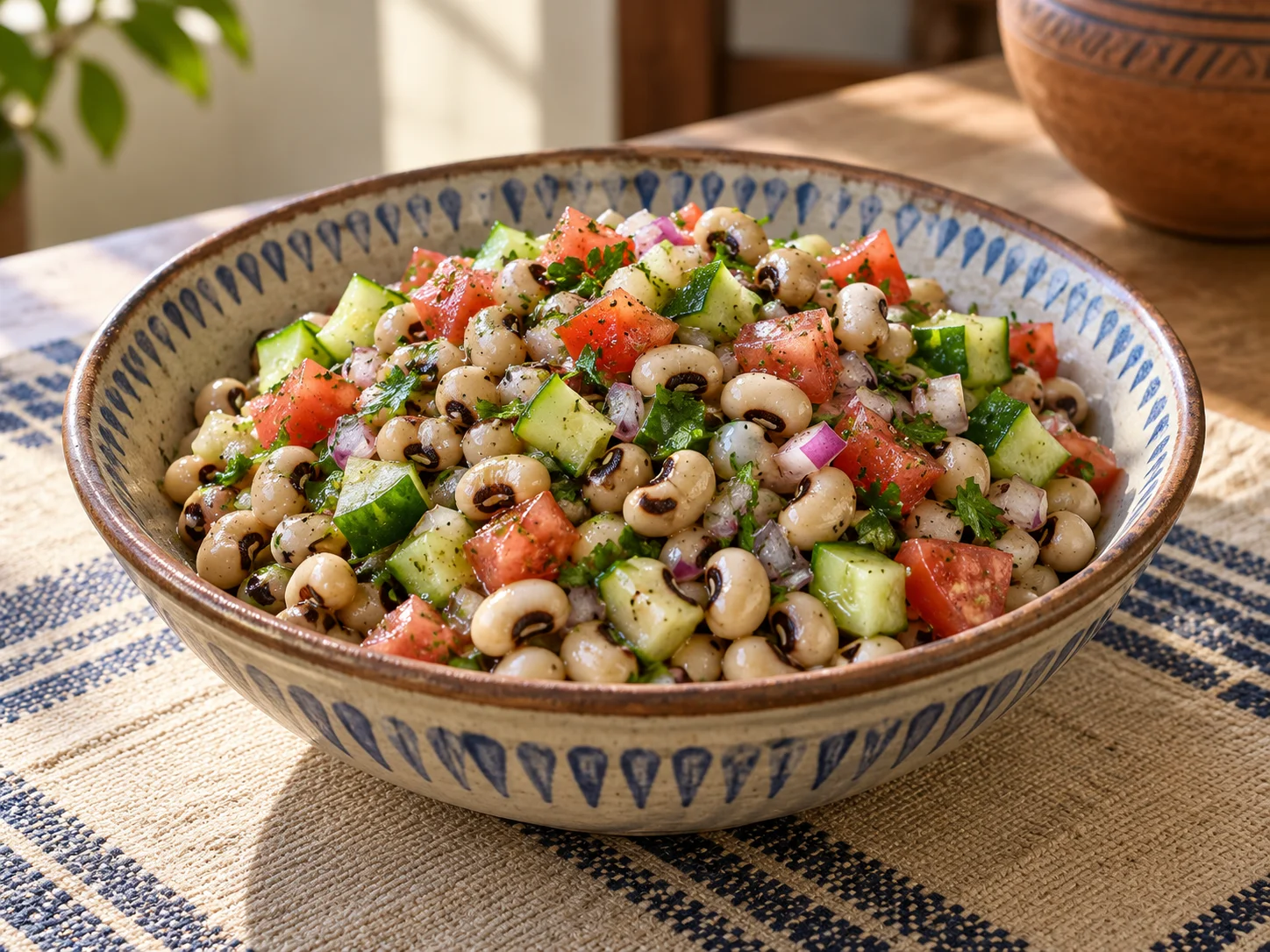
Niébé is one of the most versatile bases of the African table. It is consumed in countless forms: 3.1. Cooked dried niébé: sauced dishes, stews (West African) • Niébé sauce (Senegal, Mali, Burkina, Guinea): beans boiled for a long time, topped with tomato sauce, onions, chili, oil, meat, fish, or shellfish. Served with white rice, millet tô, or couscous. • Waakye (Ghana): rice cooked with niébé, served with meat, sauce, egg, gari. • Ewa riro (Nigeria, Benin): beans in palm oil simmered in tomato and chili. 3.2. Fritters and street food • Akara/Kose/Akara balls/Acarajé: fritters made from puréed hulled niébé (Nigeria, Ghana, Benin, Sierra Leone, Togo, Brazil). The quintessential street food, sold hot in all markets and in the diaspora. • Moi-moi (Nigeria): savory niébé flan with spices, steamed in leaves or molds. 3.3. Pastes, flours, and main dishes • Niébé flour used to thicken, enrich, or substitute millet or cassava dishes: baby porridges, purées for fragile individuals, nutritional supplements for pregnant women. • Addition of niébé in “dambou” (millet or fonio semolina enhanced with pounded niébé). • Niébé leaves used as leafy greens in green sauces, very rich in calcium and iron. 3.4. Mixed dishes and side dishes • Mixed with couscous, pounded yam, tô balls, corn paste, gari, fonio. • “Express” niébé: steamed, eaten cold in a salad (vinaigrette, onions, herbs), or served hot as a side dish. • “Sweet” niébé soup as a snack in some countries.
In my books
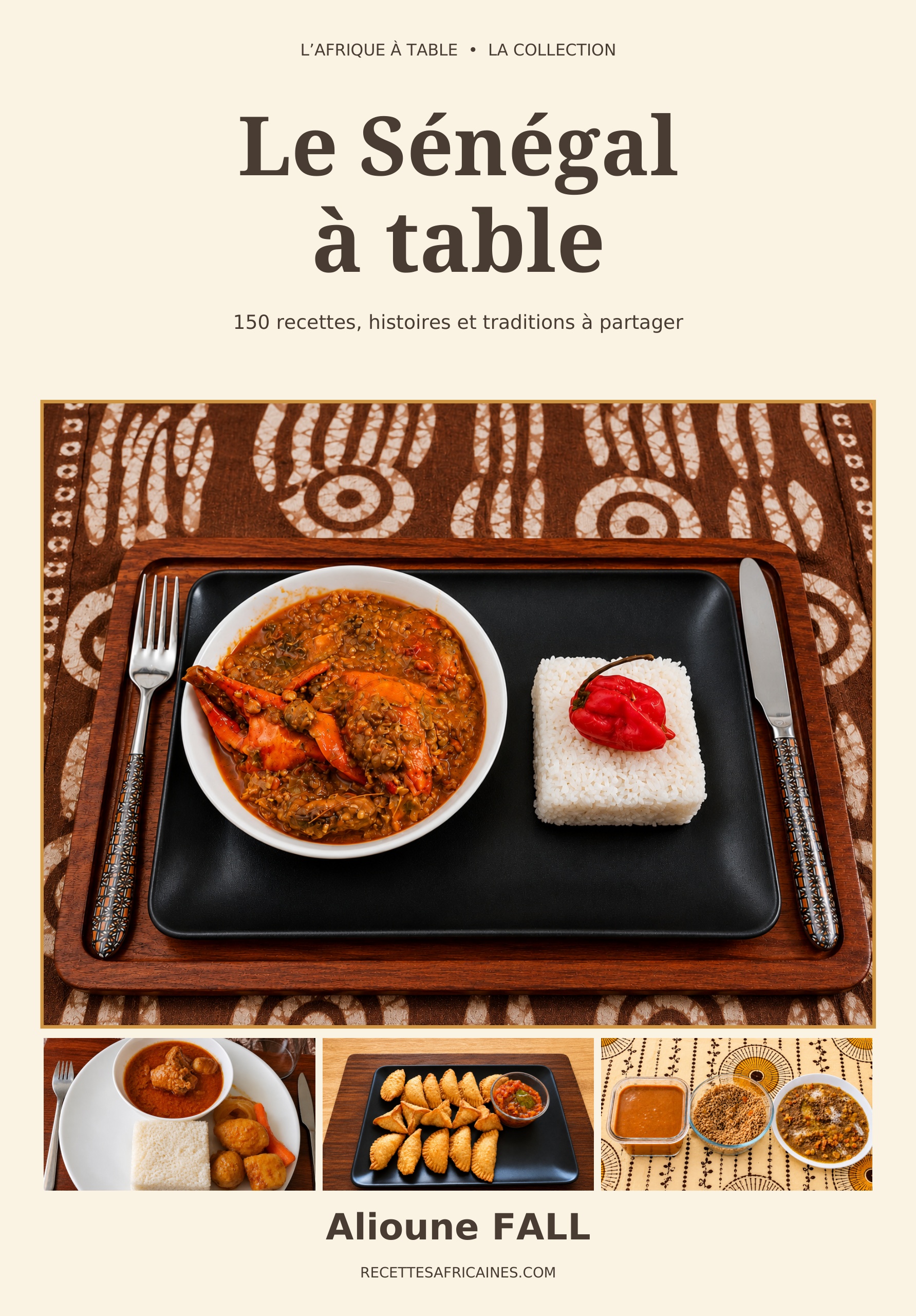
Explore Senegalese cooking with Le Sénégal à table, my collection of 150 recipes, stories and traditions to share. This book is in French, by Alioune FALL.
Explore further
4. Nutritional value and health properties
4.1. African superfood • Rich in protein (18-25%), well-balanced in amino acids for a legume, perfect for cereal-based diets. • High fiber content: promotes digestion, satiety, diabetes prevention. • High in iron, calcium, potassium, magnesium, zinc, phosphorus. • B vitamins (B1, B2, folates), natural antioxidants (tannins, flavonoids). • Low glycemic index, low in fat, gluten-free. 4.2. Benefits and prevention • Limits malnutrition (children, pregnant women, convalescents, lean season). • Prevents anemia, protects the heart, reduces cholesterol. • Suitable for vegan and Afro-vegan/healthy cuisine.
5. Social, cultural, and heritage symbolism
5.1. Food for the poor and the rich A rural everyday dish, niébé is also present at celebrations: weddings, baptisms, funerals, market returns, or offerings to elders. Its presence at the table symbolizes hospitality, generosity, community — sharing the pot, eating together, offering a warm dish to the traveler. 5.2. Support for female transmission Cooking, seasoning, making fritters or niébé porridges are transmitted from mother to daughter, learned during evening gatherings, ceremonies, and at the market. 5.3. Common thread in Afro-diasporic cuisine Niébé travels: it is found in Brazil (acarajé, feijoada), the Caribbean, Louisiana (Hoppin’ John), and African-American soul food. It crystallizes migrant memory, the adaptability, and resilience of enslaved African peoples.
6. Challenges, obstacles, and innovations
6.1. Varietal improvement and production • Selection of high-yield varieties, resistant to weevils, tolerant to climate change. • Valorization of local seeds, fight against standardization, adaptation to agroecological systems. 6.2. Sector and income • Strengthening “farm to pot” value chains, access to credit, improved storage, local processing (flour, fritters, canned pre-cooked niébé). 6.3. Urban cuisine and innovations • Modernization of recipes: niébé in vegan burgers, Afro hummus, patties, crackers, “healthy snacking”, enriched flour for children. • Entry into Afro brunch menus, food trucks, modern street food, urban supermarkets.
7. Limitations and perspectives
• Stigmatized image of “poor man’s grain”: effort to revalorize its heritage and gastronomy. • Cooking difficulties (long cooking time, energy), especially in urban areas: innovation needed around pre-cooked, preservation, microwave. • Potential loss of varietal diversity due to imports, GMOs, and standardization. • Immense opportunity at the crossroads of organic, fair trade, superfood, short supply chains, and food sovereignty.
Conclusion Whether braised, stewed, mashed, fried, or its fritters crispy in an African market, niébé carries the memory, resilience, identity, and modernity of the African continent. It is the “little bean” of everyday life and celebration, from the shade of the field to the warmth of the pot; a transversal nourishing foundation, an invisible champion of food security, an ally of nutrition and African and global culinary revolutions. Protecting, transmitting, innovating around niébé means defending living heritage, public health, the creativity of African women, and the sovereign future of the continent's entire food system.
BON APPÉTIT!
© Photo credit: recettesafricaines.com. All rights reserved.
In the kitchen : Niébé
Three recipes from the site to put your knowledge into practice:
Discover these cuisines at a restaurant
Explore our restaurant and caterer directories. Choose your destination and check the establishment’s menu to confirm which dishes are offered and available.
Continue exploring
Enjoy discovering ingredients and African cuisines? Join our newsletter. The illustrated PDF 10 sauces africaines incontournables is in French and is offered after confirming a subscription to the French or bilingual edition.