Ginger
Southeast Asia (cultivated in Africa)
Understanding : Ginger
INTRODUCTION
Ginger, a fascinating root with a pungent, lively, and slightly citrusy flavor, evokes both the colorful markets of Africa and the freshness of a thirst-quenching drink or the subtle spice of a slow-cooked dish. Known by multiple local names (jenjari in Swahili, atale in Yoruba, tangawizi in Wolof, djindja in Cameroon, etc.), it has been a pillar of African cuisine and pharmacopoeia for centuries. Beyond its modern popularity—a star of infusions and urban health shots—ginger embodies an ancient heritage, at the crossroads of civilizations, trade routes, and African culinary traditions. From spicy Senegalese sauces to invigorating Central African juices, from Ivorian street food to Beninese rituals, ginger is deeply rooted in the social, therapeutic, and gastronomic life of Africa.
This text offers a detailed exploration of ginger: its origins and spread, its botanical characteristics, its processing, its culinary and medicinal uses, its cultural place in African society, its nutritional values, its regional variations, its contemporary innovations... to understand why, from Accra to Kinshasa or from Dakar to Nairobi, it is much more than just a spice.
Where to find it
Fresh ginger is commonly available from greengrocers and grocery shops. Choose firm rhizomes and adjust the quantity if using dried or ground ginger.
Explore further: Cooking tips · Food hygiene and safety advice.
Search Amazon.fr — affiliate link →
Check availability and delivery on Amazon.fr. Compare ingredients, packaging and sellers.
As an Amazon Associate I earn from qualifying purchases.
History and uses
1. ORIGINS, BOTANY, AND HISTORY OF GINGER IN AFRICA
1.1. The Asian Cradle and the Spice Route Ginger (Zingiber officinale) originates from the tropical forests of Southeast Asia. It is mentioned in antiquity in India, China, the Arab and Mediterranean world. Arab merchants, Indian navigators, and then the Portuguese and Dutch, very early on facilitated its importation to the African continent. 1.2. Spread and Acclimatization in Africa From the Middle Ages, ginger remarkably acclimatized in Africa: in the Sudanese zone (Ghana, Nigeria, Cameroon, Senegal), on the Swahili coast (Tanzania, Kenya, Mozambique), in Central Africa, and in the Indian Ocean zone (Madagascar, Comoros, Reunion, Mauritius...). Ginger is now cultivated in home gardens, community fields, and commercial farms, particularly in Nigeria (one of the world's leading exporters), Uganda, Ghana, Cameroon, Madagascar, and Côte d'Ivoire. 1.3. Integration into Social and Ritual Practices From its introduction, ginger naturally found its place: it flavored royal dishes, entered into purification rituals, maternity care, wedding, or initiation ceremonies.
2. BOTANICAL CHARACTERISTICS AND PROCESSING
2.1. Description Ginger is a perennial herbaceous plant with a tuberous rhizome bursting with aromas. The aerial stems, annual, resemble reeds; the leaves are long, pointed, the flowers white to yellow. The rhizome, the consumed part, appears as knotty "fingers," light beige on the outside, yellow to golden on the inside. It concentrates powerful compounds: gingerols, shogaols, essential oils. 2.2. Harvesting and Preparation Depending on its use, ginger is harvested "young" (soft, juicy flesh, light color, very aromatic) or mature (thick skin, powerful aromas). Processing: Fresh: peeled, grated, crushed, or sliced Dried: sliced then sun-dried Ground: for preservation, easy incorporation into marinades, sauces, or drinks Pickled, candied, in syrup, or infused Ginger is found in all African markets, from fragrant bulk to packaged pastes and powders.
3. NUTRITIONAL VALUE AND BENEFITS OF GINGER
3.1. Nutritional Tables Ginger is low in calories (80 kcal/100 g), but rich in micronutrients: Vitamins: B1, B2, B6, C, E Minerals: potassium, magnesium, calcium, phosphorus, iron, zinc Bioactive compounds: gingerols, shogaols, paradols, zingiberene... These give it its pungent, citrusy taste, and its antiseptic and anti-inflammatory properties. 3.2. Recognized Medicinal Virtues In traditional African medicine and modern pharmacopoeia, ginger: Stimulates digestion, appetite, and blood circulation Relieves nausea and vomiting (pregnancy, motion sickness) Helps fight infections, colds, flu Warms the body, has an "invigorating" effect Relieves joint pain, promotes sweating in case of fever Is sometimes considered an aphrodisiac It is frequently used in decoctions (herbal tea), poultices, and massages (infused oil).
4. PLACE OF GINGER IN AFRICAN CUISINES
4.1. Everyday and Celebration Cuisine Basic condiment: Ginger is pounded with garlic, onions, chili, and other spices to form the "base" of dishes (rice sauces, maafe, yassa, soupou kandja, etc.) Marinade for meats and fish: it tenderizes the meat, flavors it, reduces strong or bloody tastes, and disinfects raw foods. Specific dishes: Chicken DG or Roast (Cameroon, Gabon): ginger, garlic, pepper, salt, fresh herbs, oil Peanut sauces ("maafé," "domoda," "groundnut soup"): inseparable from the spice bouquet Stewed dishes (vegetables, yams, plantain), African tagines, shea butter sauces. Celebration broth: Nigerian/Cameroonian "peppersoup," fish soup, where it enhances flavors. 4.2. Street Food, Drinks, and Desserts Ginger juice ("jus gingembre," "gnamakoudji" in Côte d'Ivoire, "dèguè gingembre" in Senegal), often combined with lemon, pineapple, hibiscus, bissap, tamarind, or mint: a popular drink in all markets and at festivals, known for its energizing and antiseptic properties. Syrup, wine, ginger beer: alcoholic or fermented versions (Central Africa, Ghana, Nigeria) Sorbets, ice creams, creams, modernized confectionery with ginger Jams, spreads, biscuits, sweet and savory tarts and dairy products. 4.3. Ceremonies and Traditions In some countries, ginger is prepared as "hot milk" to welcome a new mother or celebrate a birth. It features in initiation or marriage rites (blessing the union, strength, and fertility of the couple).
In my books
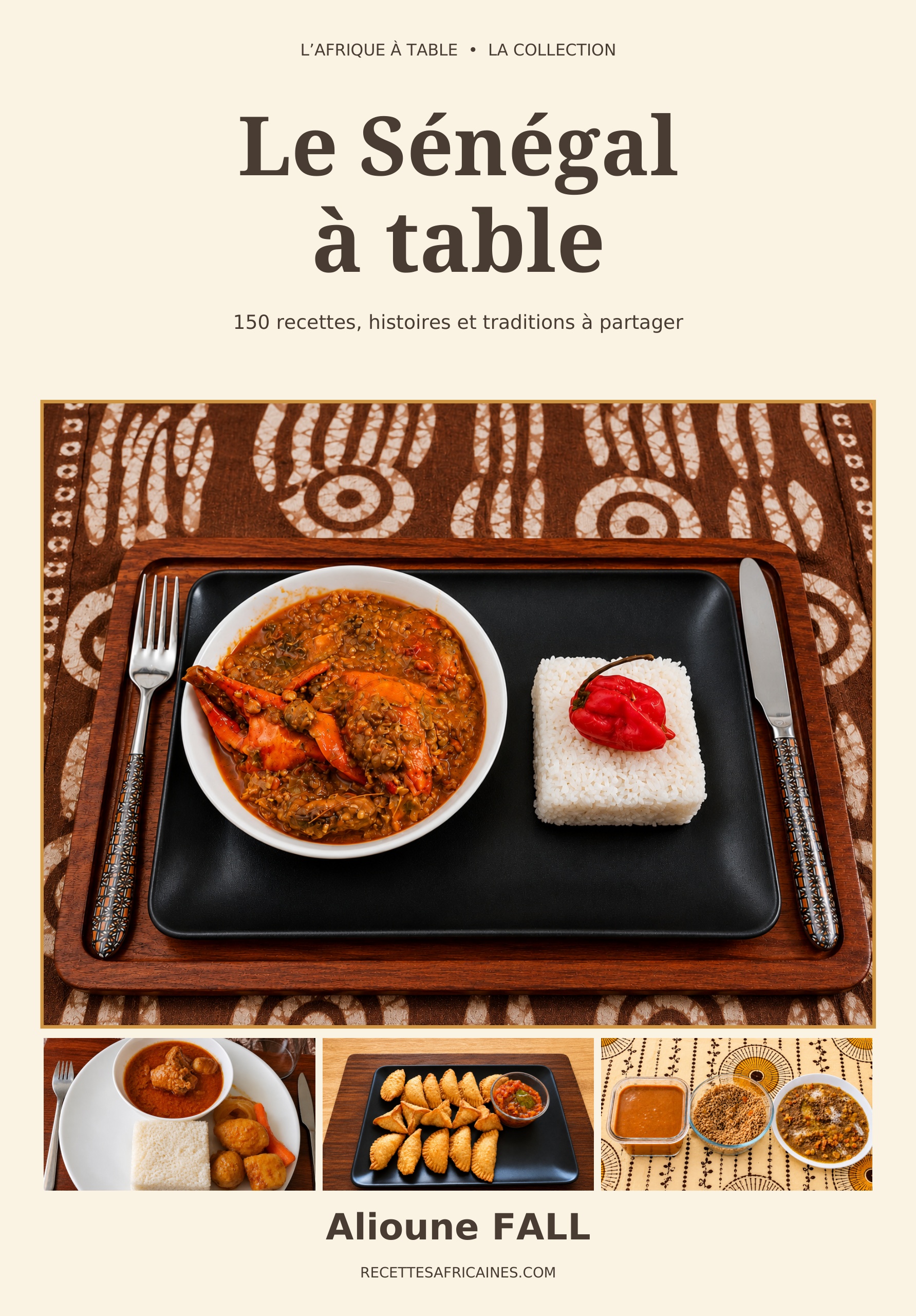
Explore Senegalese cooking with Le Sénégal à table, my collection of 150 recipes, stories and traditions to share. This book is in French, by Alioune FALL.
Explore further
5. TYPICAL RECIPES WITH GINGER
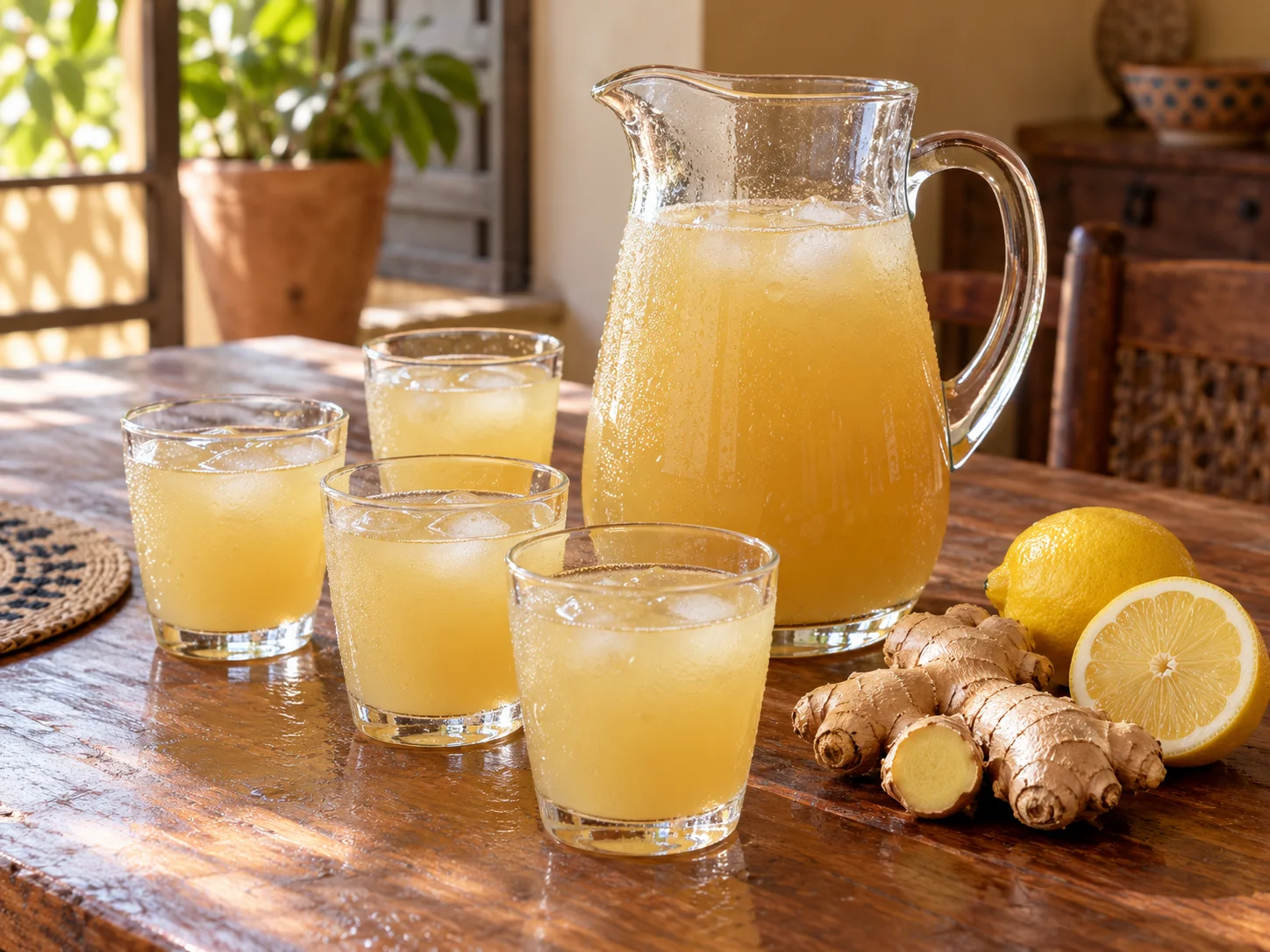
5.1. Ginger Juice (gnamakoudji, dégué) Ingredients: 300g fresh ginger 1 lemon 80g sugar (or honey, cane syrup) 1L water (optional: mint, pepper, nutmeg, pineapple, bissap) Preparation: Peel the ginger, grate or blend it. Press it in a cloth or blend with water. Filter, add lemon juice, sugar, mint. Serve over ice, keeps 2-3 days in the refrigerator. 5.2. Spicy Marinade for Grills Grated fresh ginger Garlic, chili, salt, oil, parsley Rub the meat, let marinate for 1 hour or more before cooking. 5.3. "Fish Soup / Mahalabiya" Base Fresh ginger pounded with garlic, green chili, lemon zest Added at the beginning or end of cooking depending on the desired effect
6. SOCIAL, CULTURAL, AND SYMBOLIC DIMENSIONS
6.1. Care, Welcome, Vitality Offering a ginger drink or a spicy dish is a way of showing concern for well-being, the desire to give strength, to ward off "cold" or "bad energies." 6.2. Family and Ritual Transmission The art of dosage, the selection of the best rhizome, the secrets of preservation (ginger marinated in honey, garlic, or lemon), are passed down from mother to daughter, sometimes from healer to disciple. 6.3. Female Empowerment In all markets, many women earn a living selling homemade ginger juices and syrups – a symbol of entrepreneurship, independence, and the valorization of local culinary heritage. 6.4. Spirituality and Medications Ginger is traditionally attributed protective power: it wards off evil spirits, purifies water, and promotes the circulation of vital energies (in massage or bath).
7. INNOVATIONS AND MODERN TRENDS
7.1. Fusion Cuisine and Wellness African chefs of the 21st century revisit: Ginger-lemon fish carpaccio Afro-tropical ginger-pineapple-cassava poke bowls Burgers, ginger-marinated skewers Cocktails (ginger, gin, hibiscus, homemade soda) Ginger kombucha or kefir Plant-based milks and healthy desserts (porridge, granola) boosted with ginger 7.2. Trade and Export African ginger, renowned for its potency, is exported raw or processed (juices, powders, candied, herbal teas). It conquers shelves worldwide, accompanied by "organic" or "fair trade" labels, following in the footsteps of bissap, moringa, or baobab.
8. CONSTRAINTS AND PRECAUTIONS
Potent: to be consumed in moderation for sensitive stomachs (risk of burning). Not recommended for certain patients (gallstones, anticoagulant treatments...). May cause dermatological or respiratory reactions during preparation (handle with care).
CONCLUSION Ginger, a humble and vibrant root, has woven the culinary and medicinal fabric of the African continent for centuries. It symbolizes exchange, living memory, and creative transformation. Whether drunk, chewed, pounded, or infused, it evokes the strength of elders, health, sharing, popular celebration, and the modernity of Afro-urban cuisines. In every sip of juice, in every tagine or marinade, it is an entire sensory, supportive, living heritage that is offered to taste and transmit. Ginger is not just a spice: it is a celebration of African life, its creative power, and its hospitality.
In the kitchen : Ginger
Three recipes from the site to put your knowledge into practice:
Discover these cuisines at a restaurant
Explore our restaurant and caterer directories. Choose your destination and check the establishment’s menu to confirm which dishes are offered and available.
Continue exploring
Enjoy discovering ingredients and African cuisines? Join our newsletter. The illustrated PDF 10 sauces africaines incontournables is in French and is offered after confirming a subscription to the French or bilingual edition.