Cinnamon
Sri Lanka (adopted in North Africa)
Understanding : Cinnamon
INTRODUCTION
Cinnamon is undoubtedly one of the oldest and most prestigious spices in the culinary and medicinal history of humanity. Used in divine perfumes, remedies, and refined dishes alike, it has traveled through the ages, from East to West. A symbol of wealth, refinement, and power, cinnamon remains an essential star in our kitchens today, in both sweet and savory dishes, while retaining recognized medicinal virtues. Where does it really come from? What forms does it take, and how can its universal notoriety be explained?
ORIGIN AND HISTORY: a precious spice At the roots of the East Cinnamon comes from a tree belonging to the Lauraceae family. The main species used are Cinnamomum verum (or Ceylon cinnamon, native to Sri Lanka) and Cinnamomum cassia (Chinese cinnamon, more common but also of lower quality), not forgetting Saigon and Malabar cinnamon. Ancient texts mention its cultivation for several millennia, in the Ganges Valley region, southern India, Sri Lanka, and Southeast Asia.
Where to find it
Look for the exact food-grade form required by the recipe at markets and specialist shops. Check the product name, ingredients, condition and storage instructions.
Explore further: Cooking tips · Food hygiene and safety advice.
Search Amazon.fr — affiliate link →
Check availability and delivery on Amazon.fr. Compare ingredients, packaging and sellers.
As an Amazon Associate I earn from qualifying purchases.
History and uses
A RARE AND COVETED COMMODITY
From antiquity, cinnamon was an exceptional product. It is mentioned in Sumerian, Assyrian, Egyptian, then Greek and Roman civilizations. The ancient Egyptians used it to embalm the dead, for its fragrant, preservative, and purifying properties. The Hebrews mention it in the Bible as a component of holy oils and sacred incense. Arab merchants built legends around its origin, presenting it as exhaling in inaccessible lands, sometimes guarded by monsters, to preserve their monopoly and drive up its price. In the Middle Ages and the Renaissance, cinnamon was traded at a premium, fueled royal dinners in Europe, and symbolized luxury and power. Europeans (Portuguese, Dutch, then English) launched real expeditions to control the production and trade of Ceylon cinnamon, unfortunately leading to wars and abuses against local populations.
BOTANICAL DESCRIPTION
Cinnamon is the inner bark of the cinnamon tree, an evergreen tree 10 to 15 meters high, which thrives in humid heat. Ceylon cinnamon, or Cinnamomum verum, produces the most sought-after variety for its aromatic qualities, yielding oblong, leathery, glossy green leaves. When mature, its young branches are incised: the bark is peeled off, dried, and naturally rolled into sticks called “quills” or “cinnamon sticks.” Cassia, which is more robust and thicker, comes from species in China or Indonesia.
THE COMMERCIALIZED SPICE comes in two forms: In sticks (more aromatic, usually from Ceylon) Ground into powder (easier to incorporate into cooking, often from cassia) Organoleptic characteristics (taste, aroma) The aroma of cinnamon is immediately recognizable: sweet, warm, slightly sugary, evoking precious wood and gingerbread. On the palate, cinnamon combines warmth, peppery subtlety, and a sweet finish, without bitterness. Ceylon cinnamon captivates with delicate, citrusy notes, while cassia releases a harsher, more pungent aroma. Its powerful flavor means that a small amount is enough to perfume an entire dish.
MULTIPLE CULINARY USES
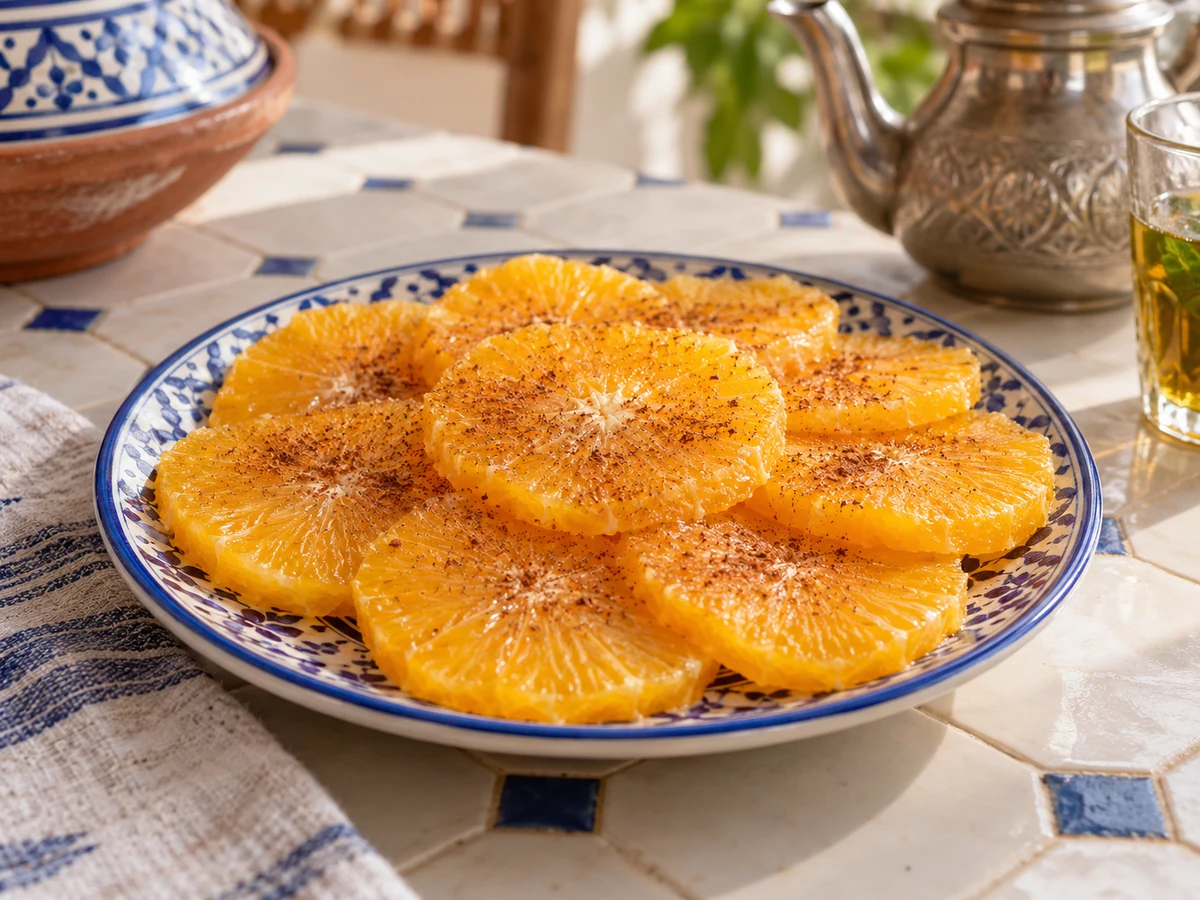
Universal sweetness In the West, cinnamon instantly evokes gingerbread, apple turnovers, compotes, rice pudding, speculoos biscuits, brioches, rolls, tarts, and other winter sweets. It is found in flagship Christmas desserts, in galette des Rois, in homemade ice creams, infused in wines or hot mead. Savory, from the Maghreb to Asia But the true richness of cinnamon explodes in North African and Eastern cuisines. It perfumes Moroccan tagine, Ramadan harira, ras-el-hanout blends, lamb dishes with dried fruits, couscous, or méchoui. In the Middle East, it is used in cinnamon coffee (Turkey, Syria), Lebanese desserts (mouhalabieh, rice pudding, baklava), Iranian chicken and rice dishes, or Indian curries. In Asia, it is an ingredient in the famous Chinese five-spice powder or Indian garam masala, giving body to meat dishes, stews, and soups.
In my books

Continue exploring the continent’s cuisines with Africa at the Table — 54 countries, 54 iconic dishes, by Alioune FALL. This book is in English.
Explore further
BEVERAGES
Infusions, teas, chai, mulled wines, fruit-infused waters, spiced rums, or liqueurs: cinnamon flavors all kinds of beverages, whether stimulating or comforting.
PRESERVATION
Antiseptic and antifungal, cinnamon has long been used to preserve food, particularly in charcuterie, in Africa and India.
MEDICINAL VIRTUES AND HEALTH BENEFITS
Ancestral tradition The medical use of cinnamon dates back to ancient Egypt, Chinese, Ayurvedic, and Greek medicine. It is mentioned in the Ebers Papyrus (1550 BC), and Dioscorides already recommended it for colds, indigestion, and coughs. Recognized properties Modern research confirms (subject to dose and origin) several benefits: Powerful antioxidant properties: thanks to polyphenols, it protects cells against aging. Antibacterial and antifungal action: cinnamon fights various pathogenic germs that cause foodborne illnesses. Blood sugar regulating effect: useful for type 2 diabetics, it helps reduce postprandial blood sugar. Digestive stimulant: reduces bloating, nausea, and abdominal cramps, mild intestinal antibacterial, fights fermentation. Immune stimulant: traditionally recommended for colds, winter coughs, and to prevent respiratory infections. Anti-inflammatory action: in cases of osteoarthritis or chronic pain, cinnamon can be a dietary supplement.
PRECAUTIONS FOR USE
Cassia cinnamon is richer in coumarin, a compound that can be toxic to the liver in very high doses; Ceylon cinnamon, finer and milder, can be consumed regularly without significant risk at usual culinary doses.
NUTRITIONAL VALUE
Cinnamon, low in calories (about 250 kcal per 100g, but the doses used are minimal), provides: carbohydrates and fiber (nearly 50% of the powder), calcium, iron, magnesium, vitamin K and C, aromatic essential oils (cinnamaldehyde). In practice, a pinch in a dessert or drink adds flavor, fiber, and micronutrients, without degrading the caloric balance.
SYMBOLISM AND CULTURE
Throughout history, cinnamon has held magical or sacred significance. In Egypt, it purified the dead; in Judaism and Christianity, it perfumed holy oils and incense. In Rome, it was burned as an offering to the gods, while in the Mediterranean it was used in royal perfumes and balms. In India and China, cinnamon is associated with longevity, strength, warmth of heart, and the return of spring. For ancient physicians, its scent warded off evil, cleansed the air, and provided protection. Even today, offering a cinnamon wreath or lighting a cinnamon candle evokes celebrations, family warmth, and future prosperity.
STORAGE, PURCHASE, AND CULINARY TIPS
Stick or powder: Sticks retain their aroma longer (2 years), powder degrades in 6 months in the air; it is better to grind sticks yourself. Origin: Prefer Ceylon cinnamon (Sri Lanka, India) for a refined experience. Pairing: Cinnamon enhances apple, pear, apricot, chocolate, dried fruits, squash, sweet potato, and all slow-cooked meats.
CONCLUSION
Cinnamon transcends history, borders, cultures, and religions. Its reassuring aroma, comforting taste, and medicinal richness continue to enhance our recipes. Used judiciously, it symbolizes refinement, creativity, health, and generosity. Use it in cooking, in infusions, or even in cosmetics: cinnamon remains and will remain a star in the universe of plants and flavors.
In the kitchen : Cinnamon
Recipes from the site to put your knowledge into practice:
Discover these cuisines at a restaurant
Explore our restaurant and caterer directories. Choose your destination and check the establishment’s menu to confirm which dishes are offered and available.
Continue exploring
Enjoy discovering ingredients and African cuisines? Join our newsletter. The illustrated PDF 10 sauces africaines incontournables is in French and is offered after confirming a subscription to the French or bilingual edition.