Marinade
Universal technique (African specificities)
Understanding : Marinade
INTRODUCTION
Marinating is one of the foundational practices in African cuisine: it embodies the art of preparing meats, fish, poultry, vegetables, or tubers before cooking, imparting fragrance, tenderness, preservation, and often a distinctive flavor identity unique to each region and household. Before salt and modern refrigeration, marinades—a blend of spices, herbs, aromatic liquids, sometimes ferments or acidic products—allowed, across the continent, to enhance or soften meats, extend their preservation, and elevate the taste of food. Much more than a simple seasoning, marinade is memory and transmission: it reflects local biodiversity, popular medicinal uses, the genius of family transformation, the symbolism of sharing, and modern culinary creativity. Today, as African cuisines assert themselves on the global stage, marinade remains, from humble homes to grand palaces, the essential signature of African gastronomy, one of its most powerful drivers of identity, conviviality, and inventiveness. This detailed description traces the history, techniques, ingredients, variations, and social uses of marinade in African cuisine, highlighting its importance both as heritage and in contemporary practice.
1. HISTORY, ORIGINS, AND EVOLUTION OF MARINADE IN AFRICA
1.1. Ancient history and rural technicality Long before contact with Europeans and the arrival of imported tropical products, African peoples already used marinades for food preservation or to improve chewiness and digestibility. These often consisted of brines made from salt, acidic fruit juices (lemon, tamarind, baobab, sorrel...), fermented broth, seed pastes (néré, melon), saps, ashes, or medicinal barks. Salting, soaking, and macerating in spiced juices played a crucial role then: tenderizing game meat, dried or smoked fish, developing their aroma, and preventing decomposition in hot climates. 1.2. Blending and adaptation Over the centuries, new ingredients—chili, onion, garlic, ginger, tomatoes, vinegar, soy sauce, olive oil—blended with African bases. Mediterranean, Indian, Asian, and European influences (herbs, mustard, sauces) enriched the art of marinating, which nevertheless remained fundamentally local.
2. TECHNIQUES AND BASIC PRINCIPLES OF MARINADE
2.1. Roles of marinade • Tenderize, soften: the action of acids, plant extracts, or enzymes (papaya, pineapple, okra) breaks down muscle fibers, making meats and fish melt-in-your-mouth. • Flavor: the full genius of African terroir is expressed here: roots, rhizomes, herbs, barks, seeds, chilies, fruits, palm alcohol, cane vinegar... • Salt, preserve: salt, sometimes brine, limits bacterial growth and slows spoilage. • Add color and taste: turmeric, annatto, tomato for red; palm oil for orange; broth, green chili, lemon peel, or herbaceous plants for green. 2.2. Liquid bases • Lemon/lime/bitter orange/kumquat juice • Tamarind juice • Natural vinegar, baobab juice, bark decoction • Palm or peanut oil • Broth or coconut milk (East Africa/Islands) • Palm wine in raffia-growing areas 2.3. Aromatic ingredients and spices • Garlic, onion, shallot, ginger, chili • Herbs: local thyme, African basil (clove/ocimum), cilantro leaves, parsley, marjoram • Bay leaves, lemon leaves, cassava leaves, moringa leaves • Roots: celery, turmeric, galangal • Cinnamon bark, orange or lemon peel, grains of paradise, Guinea pepper, cloves, nutmeg, cardamom • Extracts of fermented seeds: néré (afitin, soumbala), melon (ogiri, egusi) • Raw cane sugar or honey (sweetener and caramelization) 2.4. Modern adjuncts • Bouillon cube, mustard, soy sauce (urban adaptation or Asian influence) • “Industrial” marinades in sachets or bottles (Kenyan, Nigerian, South African, Senegalese…)
3. TYPES AND VARIATIONS OF MARINADES ACCORDING TO AFRICAN REGIONS
3.1. West Africa (Senegal, Mali, Guinea, Ivory Coast, Nigeria, Ghana, Benin, Togo) • Yassa marinade (Senegal): lemon, sliced onion, mustard, garlic, chili, salt, oil, thyme — for chicken, fish, or meat. • Choukouya (Mali, Niger, Senegal, Burkina Faso, Ivory Coast): chili, garlic, onion, Guinea pepper, bouillon cube, ginger, aromatic leaves — marinated before grilling. • Suya or Agsuya (Nigeria, Northern Ghana, and Benin): powdered peanuts, salt, chili, dry spices, ginger: the meat is thoroughly rubbed before being skewered. • Tassi/Choukouya: chili powder, garlic, onion, sometimes nitrited salt (for extended preservation). • Marinade for “Kedjenou fish” (Ivory Coast): pure lemon/lime juice, ginger, garlic, fresh chili, herbs, bouillon cube. 3.2. Central and Equatorial Africa (Cameroon, Gabon, DRC, Congo, Angola) • Mbongo Tchobi (Cameroon): mbongo nut powder (albizia), garlic, ginger, chili, kari pepper, African basil leaves, palm or peanut oil, onion. • Grilled fish: marinade based on ginger, garlic, pepper, lemon, salt, oil, chili — rubbed on the fish, sometimes stuffed into its belly. • Maboke (DRC, Congo, Gabon): pounded aromatic leaves, tomatoes, broth, pepper, lemon — stuffing for fish or chicken cooked en papillote. 3.3. North and East Africa • Berber/Tunisian/Moroccan kebabs and skewers: cumin, ground coriander, paprika, turmeric, garlic, yogurt, lemon, olive oil. • Marinades with ras-el-hanout, chermoula, harissa, fresh coriander… • East Africa: coconut milk, lime, cardamom, cloves, garlic, ginger — for fish, seafood, and chicken marinated before grilling. 3.4. Islands and Madagascar • Marinade with vanilla, rum, kaffir lime, ginger, lemongrass: fish and shrimp • Local herbs (clove leaf, cinnamon, allspice, nutmeg)
4. CULINARY USES AND APPLICATIONS
4.1. Grills and braises Marinades are ubiquitous in African street food: skewers (suya, tchep, kebab), grilled fish, “poulets bicyclette” (street-grilled chicken across the continent), roasted lamb. Meat or fish is also marinated the day before big celebrations, weddings, baptisms, and funerals. 4.2. Stews and sauces Many sauces begin with a marinade: the meat (or fish) first absorbs all the aromatics, then is seared and simmered to concentrate the flavors (mafé, kedjenou, ndolé, egusi soup, sauce graine, bush soup…). 4.3. Frying and street food Fried chicken, fish fritters, street steak, grilled snails... all go through a marinade, which enriches and preserves them. 4.4. Preservation and fermentation In the Sahel, salting/marinating allows for drying meat (kilishi, biltong), fish (salted-smoked carp), and preparing fermented or flavored fish.
5. SOCIAL, IDENTITY, AND HERITAGE DIMENSION
5.1. Family transmission and respect for the “hand” Each family, village, and canton has its “secret” or signature marinade. The “marinade nose” of a grandmother, a head of household, or a restaurateur is a source of pride—a marker of art, a guarantor of sharing and the quality of the celebration. 5.2. Instrument of solidarity and economy The communal preparation of a marinated dish brings people together, involves them, teaches them: it is an intergenerational moment of celebration and transmission. Marinades support millions of small vendors (spice markets, herb markets, pre-mixed sauces, street buffets, food trucks). 5.3. Vector of innovation and Afro-gastronomy The new generation of Afro-fusion chefs reinvents the marinade: rare citrus fruits, forgotten spices, “minute” marinades, creation of signature sauces for Afro burgers, tapas, African sushi, etc.
6. NUTRITIONAL VALUE AND HEALTH
• Enhancement of taste and antioxidant value: garlic, onion, ginger, chilies, and aromatics boost immunity, digestion, and prevent grilling toxins. • Reduction of salt and fat intake when the marinade is rich in herbs and acidity. • Salt and chili: to be monitored for sensitive individuals.
7. MODERNITY, DIASPORA, AND INDUSTRY
“Ready-to-use” marinades, spice kits, signature Afro sauces, the boom of “Afro grill” influencers, the explosion of books, e-commerce for herbs, video transmission – they bring African cuisine closer to the whole world, without losing its artisanal and regional richness.
CONCLUSION Marinade, from the family bowl to the street barbecue, from the ceremonial dish to the urban snack, crystallizes the depth of African culinary inventiveness. A fusion of memory, instinct, terroir, and openness, it enlivens celebrations as well as routines, sharing, care, and solidarity. In an era of returning to authentic taste, pride in “homemade,” and the joy of transmission, marinade remains the most sophisticated and accessible of African culinary heritages, key to the diversity, blending, and renewal of plates across the continent and the world.
Putting the technique into practice
Follow a detailed recipe when applying this technique. Quantities, equipment and cooking instructions depend on the preparation you choose.
Explore further: Cooking tips · Food hygiene and safety advice.
In my books
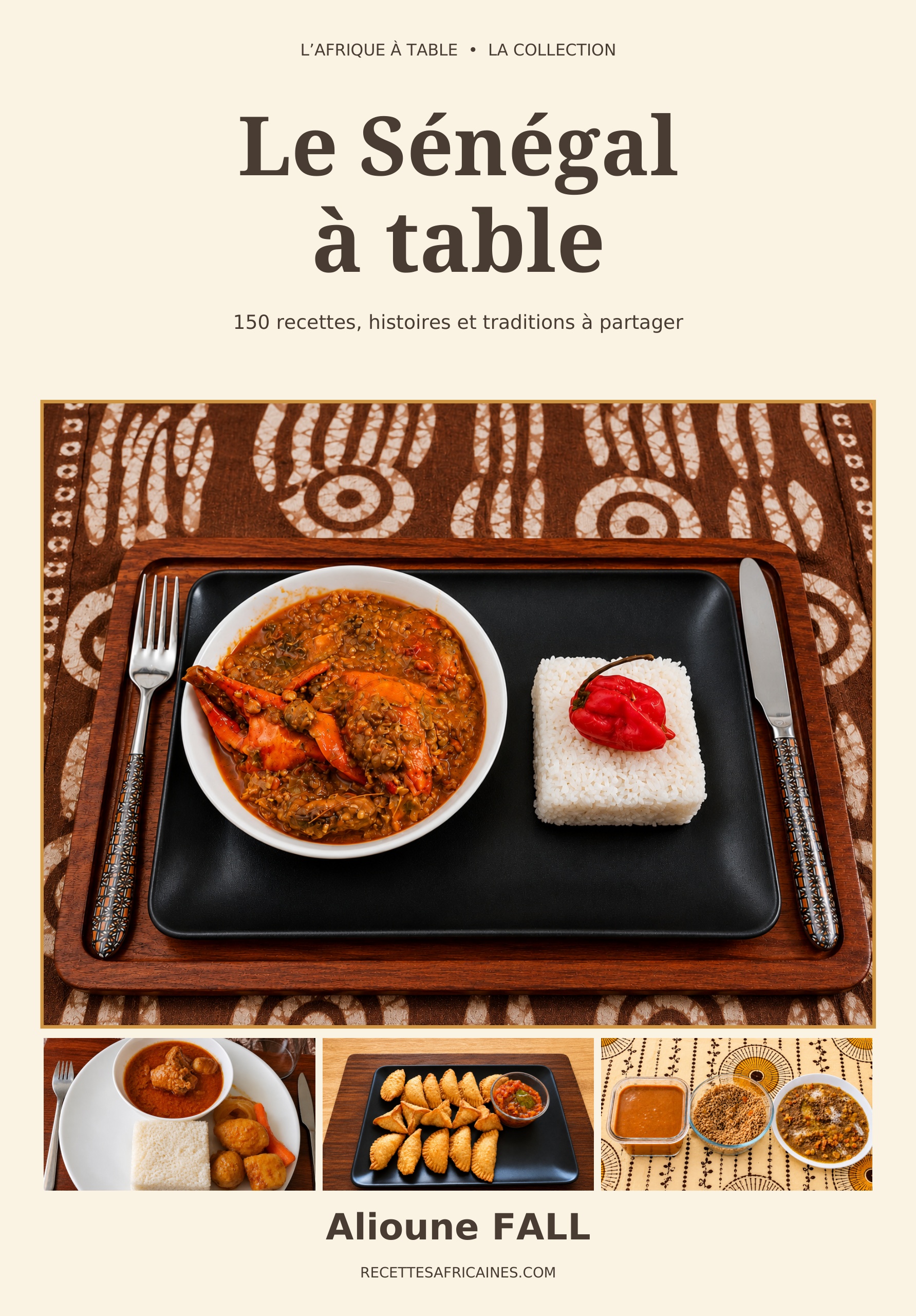
Explore Senegalese cooking with Le Sénégal à table, my collection of 150 recipes, stories and traditions to share. This book is in French, by Alioune FALL.
Discover these cuisines at a restaurant
Explore our restaurant and caterer directories. Choose your destination and check the establishment’s menu to confirm which dishes are offered and available.
Continue exploring
Enjoy discovering ingredients and African cuisines? Join our newsletter. The illustrated PDF 10 sauces africaines incontournables is in French and is offered after confirming a subscription to the French or bilingual edition.