Baobab
Sub-Saharan Africa
Understanding : Baobab
INTRODUCTION
The baobab is a mythical and emblematic tree of the African continent. Its unique silhouette, incredible longevity, fruits with multiple virtues, and numerous uses make it a true natural treasure. In African cuisine, the baobab holds a special place, both as a source of nutrition and as a traditional ingredient with uses as diverse as they are little known. Here is a detailed description of the baobab, its uses in African gastronomy, its nutritional values, its cultural role, and its economic importance across the continent.
Where to find it
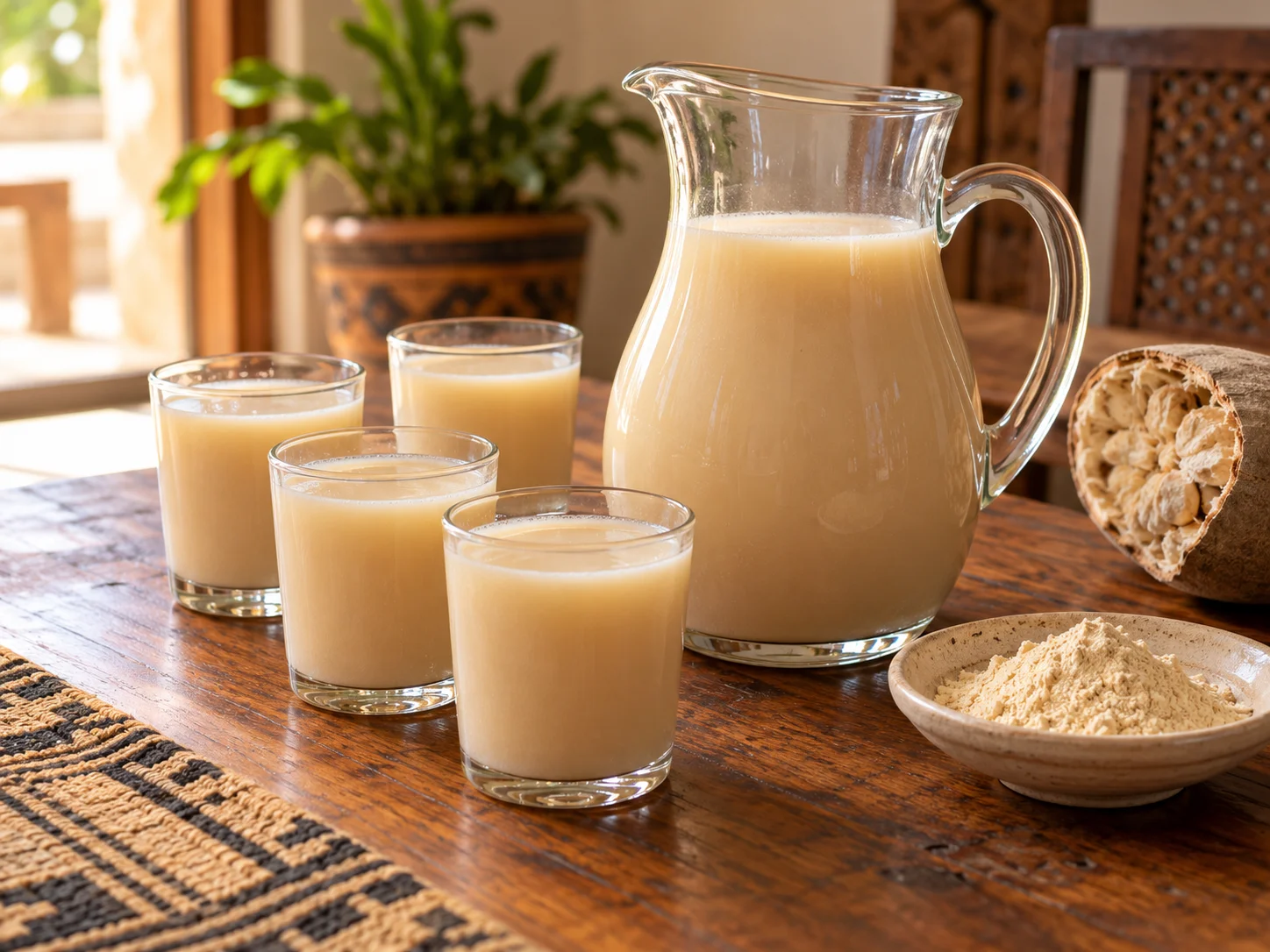
For drinks and desserts, look for food-grade baobab fruit pulp powder, also called bouye. It differs from the leaf powder used in some sauces.
Explore further: Cooking tips · Food hygiene and safety advice.
Search Amazon.fr — affiliate link →
Check availability and delivery on Amazon.fr. Compare ingredients, packaging and sellers.
As an Amazon Associate I earn from qualifying purchases.
History and uses
1. THE BAOBAB: A LEGENDARY TREE
A. Botanical Description The baobab (genus Adansonia) is a unique tree, belonging to the Malvaceae family, native to continental Africa, although some species also exist in Madagascar and Australia. The most widespread species in Africa is Adansonia digitata. This tree is immediately recognizable by its massive and often deformed trunk, which can reach up to 20 meters in diameter, and its height, which generally varies between 10 and 25 meters. The baobab can live for several centuries, with some specimens estimated to be over 2000 years old. It is nicknamed "the upside-down tree" because its twisted branches resemble roots pointing towards the sky. The baobab's deciduous leaves fall during the dry season and reappear during the rainy season. The white, pendulous flowers open at night and are pollinated mainly by bats. Its fruit, the "monkey calabash" or "monkey bread," is a large oval capsule covered with a fibrous, velvety shell. B. Place in African Culture The baobab is not just a tree; it is an element of daily life, stories, fables, and beliefs. It symbolizes strength, resilience, and wisdom in many African countries. In the past, villages were often built around the baobab, which served as a landmark, meeting place, or shelter.
2. EDIBLE PARTS OF THE BAOBAB
Every part of the baobab can be used, whether for food, medicine, or crafts: The fruit (baobab powder or pulp): a whitish-brown powder with a tangy taste, extracted once the capsule is opened. The leaves: consumed fresh or dried, rich in nutrients. The seeds: used to extract oil or roasted to be eaten. The bark: although bitter and fibrous, it is sometimes used in decoction in some traditional medicines.
3. USES OF BAOBAB IN AFRICAN CUISINE
A. Baobab powder or pulp The dried pulp extracted from the fruit is undoubtedly the most emblematic component in cooking. It is naturally rich in vitamin C, calcium, potassium, fiber, and antioxidants. Its tangy flavor is reminiscent of lemon or tamarind. Culinary uses: Traditional drinks: In West Africa, the drink "jus de bouye" (Senegal), also called "monkey bread juice" or "baobab juice," is prepared by mixing baobab powder with water, milk, sugar, sometimes flavored with vanilla or spices. It is very refreshing and consumed during hot weather or during Ramadan. Ingredient in sauces and soups: Baobab powder can be added to thicken and acidify local sauces ("soumbala" in Burkina Faso, "ndolé" in Cameroon), or to enhance soups. Desserts and pastries: Incorporated into yogurts ("thiakry" in Senegal), artisanal ice creams, fruit compotes, and increasingly in modern pastry, baobab powder brings a touch of originality and a subtly tangy flavor. B. Baobab leaves The leaves are also essential in cooking. Harvested young, they are dried, powdered, or cooked fresh like leafy vegetables. Uses: Green sauces: In several West African countries, notably Mali, Burkina Faso, and Senegal, baobab leaf powder (called "lalo") thickens and flavors sauces accompanying rice, millet, fonio, or tô (a cereal-based paste). Dietary food: Rich in proteins, vitamins, and minerals, they also serve as complementary foods for children or convalescents. Broth or soups: Fresh leaves are used in broths, combined with other vegetables for nourishing soups. C. Baobab seeds and oil The seeds can be roasted and eaten like peanuts, ground and incorporated into sauces, or pressed to obtain an oil rich in essential fatty acids, sometimes used as a seasoning or cosmetic ingredient.
In my books
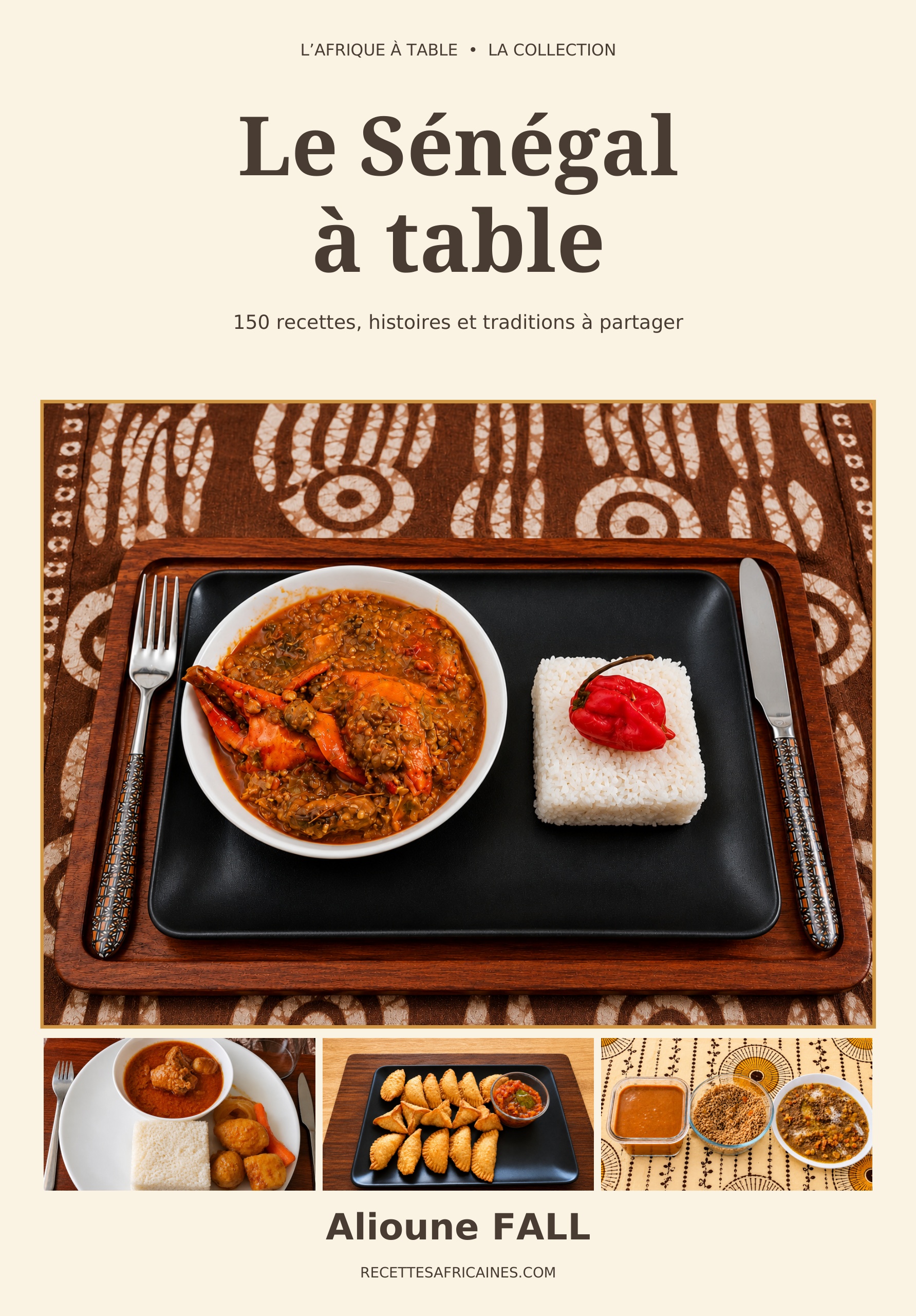
Explore Senegalese cooking with Le Sénégal à table, my collection of 150 recipes, stories and traditions to share. This book is in French, by Alioune FALL.
Explore further
4. NUTRITIONAL VALUE AND BENEFITS
Baobab is considered a "superfood": Powder/pulp: exceptionally rich in vitamin C (seven times more than orange), antioxidants, calcium, magnesium, potassium, and soluble fiber. Leaves: rich in calcium, iron, protein, carotene, essential amino acids, and vitamins (B2, C...). Seeds: good sources of unsaturated fatty acids, vitamins, and minerals. Health benefits: Strengthens the immune system thanks to vitamin C. Prevents malnutrition through its micronutrient intake. Good for digestion with prebiotic fibers in the pulp. Antioxidant effect thanks to polyphenols. Helps glycemic balance due to the low glycemic index of the pulp. Baobab is also used in traditional medicine to treat diarrhea, inflammation, fever, or anemia.
5. ECONOMIC AND ECOLOGICAL ROLE
A. Baobab and local economy The baobab provides a source of income for many rural communities, especially women who are responsible for its collection, processing (fruit powder, dried leaves, oil), and marketing in local markets or for international export (Europe, America, Asia). Through artisanal processing and the rise of fair trade, baobab contributes to the economic empowerment of rural women and local development. B. Environmental importance The baobab plays a key role in the ecosystem: It retains water in its trunk during dry seasons. It provides natural shelter for many animals (birds, bats, insects). Its leaves and fruits nourish wildlife. It promotes biodiversity and limits soil erosion thanks to its extensive root system.
6. THE BAOBAB, BETWEEN TRADITION AND MODERNITY
While the baobab is rooted in traditional African cuisine, it is now making its way into contemporary and gourmet cuisine, both in Africa and abroad: Global superfood: Exported as powder, baobab pulp is now sought after by the food industry, particularly in Europe and North America, for its nutritional virtues, as an ingredient in smoothies, energy bars, yogurts, etc. Fusion cuisine: Great African and international chefs are experimenting with baobab powder in innovative recipes, combining local traditions and global trends: vinaigrettes, original ice creams, fine pastries.
7. SYMBOLISM AND CONVIVIALITY
In Africa, the baobab symbolizes community. Drinking a "jus de bouye" is an act of conviviality, a drink shared during celebrations or daily life. The baobab is also a witness to great discussions under its branches, a sanctuary for spirits, or even a tomb for great chiefs in some communities.
CONCLUSION The baobab, an emblematic tree of Africa, is much more than just a plant. It holds a prominent place in traditional and contemporary African cuisine through its fruits, leaves, seeds, and the oil derived from them. It nourishes, heals, brings people together, and generates income. Its cultural and ecological importance makes it one of the pillars of life on the African continent. Today, as it conquers the international gastronomic scene, it remains for Africans a living symbol of nature's generosity and the unbreakable link between land, tradition, and modernity.
In the kitchen : Baobab
Three recipes from the site to put your knowledge into practice:
Discover these cuisines at a restaurant
Explore our restaurant and caterer directories. Choose your destination and check the establishment’s menu to confirm which dishes are offered and available.
Continue exploring
Enjoy discovering ingredients and African cuisines? Join our newsletter. The illustrated PDF 10 sauces africaines incontournables is in French and is offered after confirming a subscription to the French or bilingual edition.