Sombi
Senegal
Understanding : Sombi
INTRODUCTION
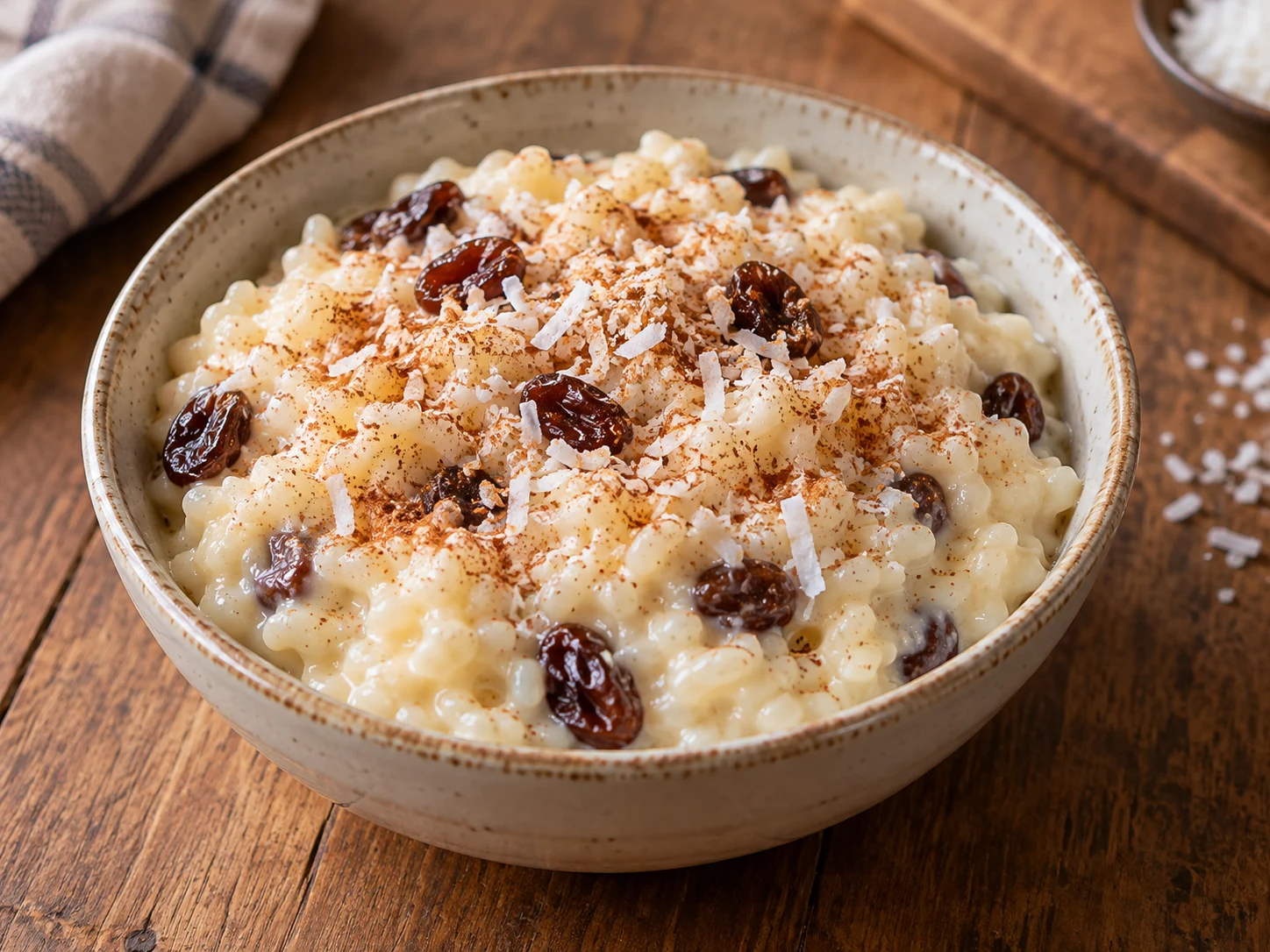
Sombi is one of the most beloved, well-known, and shared desserts in West Africa, particularly in Senegal and among West African diaspora communities. Both humble and refined, convivial and festive, it evokes the sweetness of childhood, maternal comfort, and great moments of sharing—whether for religious ceremonies (naming ceremonies, baptisms, Korité, Tabaski), family reunions, neighborhood parties, or simple daily snacks. Known as “sombi” (Wolof, Senegal), but also as thiakry au lait, rice pudding, sweet rice, kunu (Nigeria, Ghana), arroz doce (in Lusophone areas), or “rice pudding” (in English), this preparation transcends all social strata, delights both children and adults, and is an integral part of the sensory heritage of Black African cuisines. It has also traveled, blending into the Caribbean, South America, France, and England. Much more than a dessert, sombi carries the memory of women's savoir-faire, the ability to recycle leftovers, to offer inexpensive but nutritious sweets, and to embrace modernity in the diversity of milks, flavors, and accompaniments. Despite the competition from industrial biscuits and sodabi, sombi survives and renews itself, crossing eras and borders. Here is a detailed portrait of sombi: its origins, stories, recipes, variations, techniques, social symbolism, nutritional contribution, and current place in contemporary African gastronomy.
1. HISTORY, ORIGINS, AND SPREAD
1.1. Rice, milk, and sugar — a meeting of worlds Sombi was born from the encounter between rice (introduced first as Oryza glaberrima, then competed with by Oryza sativa, Asian rice, via Arabs, Portuguese, Atlantic trade, colonization), milk (cow's milk, goat's milk, condensed or evaporated milk with urbanization), and, later, sugar. The oldest form of porridge, based on rice or millet, sweetened with honey, date syrup, or indigenous sugars, had long existed in Mandinka, Wolof, and Fulani areas. The modern sombi recipe—rice, milk, sugar, flavor—is similar to European or Oriental rice puddings but retains its African technique, touch, and rhythm. 1.2. Spread and variations Sombi is found in all regions where rice dominates: along the Senegal River valley, in Serer, Toucouleur, Fulani, and Mandinka regions, but also in Nigeria, Ghana, Guinea, Mali, Cape Verde, and Seychelles (where it becomes “supu diri”). It travels with migrations, crossing the Atlantic, from villages to cities, invited to banquets, picnics, schools, and weddings.
2. INGREDIENTS AND TRADITIONAL PREPARATION TECHNIQUES
2.1. The choice of rice • Local broken rice (highly symbolic in West Africa) or long-grain rice, basmati in urban or expatriate settings. • Some prefer fragrant rice, others round rice for more consistency. • Sometimes, leftover cooked rice from the day before (zero-waste), or rice cooked specifically for it. 2.2. Milk • Fresh whole milk (cow, goat, zebu) in rural areas. • Sweetened or unsweetened condensed milk, powdered milk (Nido, Gloria, etc.), evaporated milk, depending on household resources and modernity. • In a more contemporary or vegan version: coconut milk, oat milk, rice milk, or a blend of plant-based milks. 2.3. Sugars • Local brown sugar, white sugar, honey, date syrup, or sugarcane (in some households). • Dosage varies depending on use (snack or festive dessert). 2.4. Flavors and complements • Vanilla (pod or vanilla sugar) • Orange blossom water • Ground or stick cinnamon • Grated nutmeg • Lime or orange zest • Sometimes, a pinch of salt to balance the sweetness (Serer or Fulani tradition). • Grated coconut, raisins, dried fruit, crushed peanuts or groundnuts, in some families.
3. THE CLASSIC SOMBI RECIPE (SENEGAL / WEST AFRICA)
For 4 to 6 people:
- Rinse the rice (100–200g, depending on desired texture).
- Slow cooking: the rice is brought to a boil in water, over low heat, until partially absorbed. Stirring is necessary to prevent sticking.
- Adding milk: Pour in whole or condensed milk (about 1L), mix, and continue cooking over low heat until a creamy consistency is obtained. Some add cold milk at the end for a “hot-cold dessert” effect.
- Flavoring: vanilla, cinnamon, nutmeg, according to taste and traditions.
- Adding sugar: add while hot, let the rice absorb it.
- Finishing: A little butter, a dollop of coconut cream, or a pinch of salt can be added.
- Serving: Pour into individual bowls or a large salad bowl, decorate with grated coconut, dried fruits, citrus zest, cinnamon. Sombi can be eaten hot, warm, or cold, plain or accompanied by fresh fruit, syrup, or honey.
4. REGIONAL AND FESTIVE VARIATIONS
4.1. Sombi diounè (celebratory rice porridge) • Served at naming ceremonies, religious ceremonies, weddings, neighborhood parties. • Prepared in large quantities, enhanced with sweetened condensed milk, orange flavors, lemon zest, decorated with raisins, almonds, even modern silver pearls. 4.2. Millet sombi, thiakry, kunu, supu diri • Thiakry or dégué: millet or fonio couscous, mixed with fermented or fresh milk, sugar, flavor. • Kunu (Nigeria, Ghana): rice, millet, or corn porridge, sometimes fermented, often more liquid than Senegalese sombi, drunk as a beverage or soup. • Supu diri (West African islands): a very similar version, sometimes lemony, sometimes with nutmeg or ginger. 4.3. Zero-waste actions • Using leftover cooked rice, recycled into porridge flavored with cinnamon, coconut, or even enriched with banana puree, or leftover rice and kidney from the day before. 4.4. Premium/urban version • Puffed rice pudding, “sombi” crème brûlée, presented in verrines with grenadine, peanut caramel, bissap or mango jellies.
5. SOCIAL, SYMBOLIC, AND IDENTITY PLACE
5.1. Dish of sharing and generosity • It is prepared from the birth of a child, during baptisms (the “tapis” ceremony among the Wolof/Serer/Fulani). • It is offered to neighbors, shared in a collective bowl, brought during visits to the sick, returns from travel, and at the end of Ramadan. 5.2. Childhood and memory • Sombi evokes the sweetness of home, after-school snacks, Sunday evening treats, shared sensory memory, often associated with maternal kindness and transmission. 5.3. Resilience and adaptability • Easy to make, inexpensive dish, possible with simple, locally available ingredients. • Whole milk, powdered milk, plant-based milk: sombi never dies, even in times of crisis. • Role in children's nutrition, hospitals, schools, and during periods of food scarcity.
6. NUTRITIONAL VALUE, HEALTH, AND WELL-BEING
• Rice: complex carbohydrates, promoting satiety, digestible, gluten-free, good for children, the elderly, and convalescents. • Milk: source of calcium, protein, fat, vitamins. • Sugar: quick energy, gustatory pleasure, moderation is key for dietary balance. • Additions: fiber (coconut, dried fruits), micronutrients (cinnamon, citrus). • Can be enriched with peanut butter, peanuts, soy milk, for additional protein intake.
7. MODERNITY, INNOVATION, DIASPORA, AND CHALLENGES
7.1. Diaspora and internationalization • Present in Afro restaurants, urban brunches, festive buffets in Paris, London, Montreal, New York. • Reappropriated, valued as an African-diasporic Proustian madeleine. • Video recipes, social media, Afro-urban cooking workshops. 7.2. Fusion cuisine, gourmet innovation • Seasoned with mango, caramel, sweet spices, peanut, cardamom, jellied, revisited as puffed rice, wok, or cereal bars. • Vegan, lactose-free, superfood recipes (coconut milk, alternative milks, chia seeds, moringa powder). • Sombi as a gourmet restaurant dessert (crispy sphere, espuma, cold cream, bissap coulis…). 7.3. Challenges of transmission and sovereignty • Valuing sombi against the invasion of ultra-processed products, reconnecting to the “grandmother's recipe.” • Integrating sombi into school meals for its low additive content and excellent energy contribution, its role in educating about “eating African well.”
CONCLUSION Sombi, with its cooked rice aroma, its sweetness, its simplicity, embodies an Africa conscious of its memory and its cultural blends, rich in solidarity, inventive, and in perpetual renewal. It is the sweetness of morning and evening, the festive reward, the gustatory link between village and city, between mother and child, between past and future. To celebrate, transmit, and innovate around sombi is to defend a living, generous, resilient culture: African cuisine at its most tender, popular, modern… and universal.
Prepare this speciality
Choose a detailed recipe, adjust the portions and prepare your ingredients before starting. Our cooking tips and food safety advice complement the steps described in the recipes.
Explore further: Cooking tips · Food hygiene and safety advice.
In my books
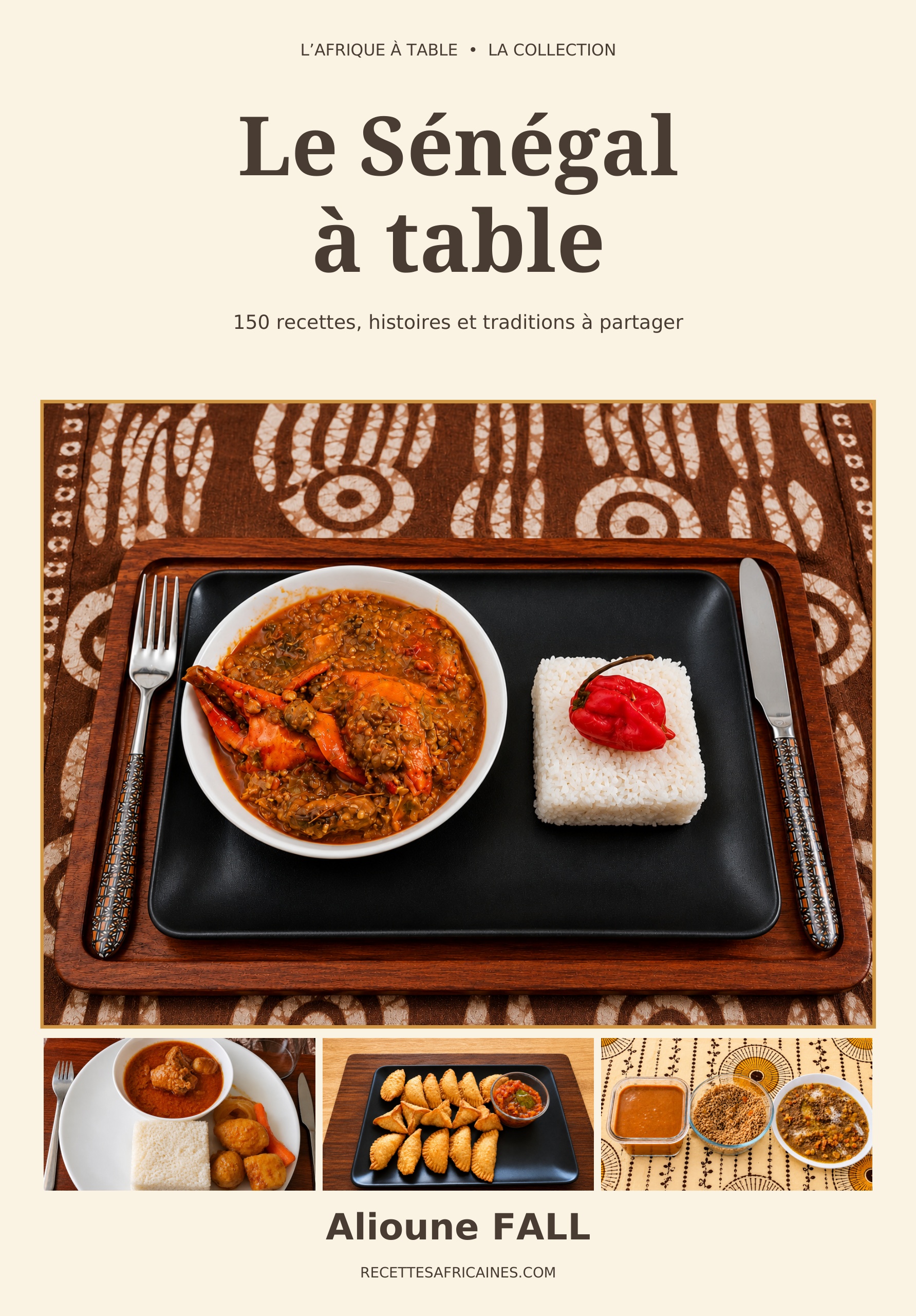
Explore Senegalese cooking with Le Sénégal à table, my collection of 150 recipes, stories and traditions to share. This book is in French, by Alioune FALL.
In the kitchen : Sombi
Recipes from the site to put your knowledge into practice:
Discover these cuisines at a restaurant
Explore our restaurant and caterer directories. Choose your destination and check the establishment’s menu to confirm which dishes are offered and available.
Continue exploring
Enjoy discovering ingredients and African cuisines? Join our newsletter. The illustrated PDF 10 sauces africaines incontournables is in French and is offered after confirming a subscription to the French or bilingual edition.