Cambuulo
Somalia
Editorial collection: RecettesAfricaines.com · Publication director: Alioune FALL.
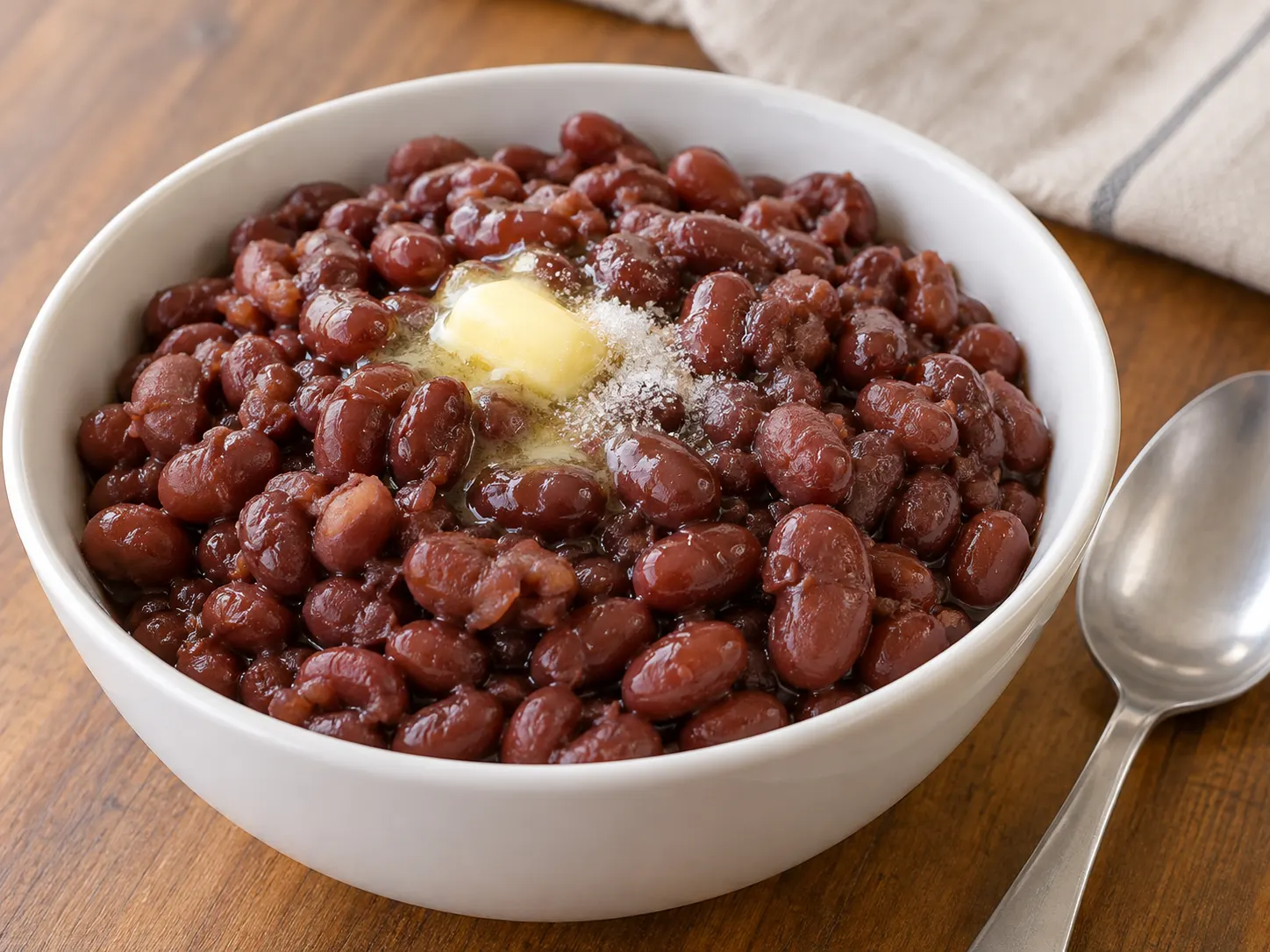
A dish name and a base of pulses
Cambuulo, also transcribed ambulo, is a Somali preparation of pulses cooked until tender, served alone or with other components of a meal. Some presentations emphasise beans; others include mixtures with cereals. The term should therefore not be reduced to a botanical species guessed from a photograph. It names a cooked food and its use, rather than simply a bag of dried seeds. Transforming firm grain into something yielding is a central reference. Fat or sugar may be added when serving, without becoming compulsory ingredients in every version known by this name. Identifying the base separately from its accompaniments makes the preparation easier to understand.
Culinary testimony and an open history
Xawaash's authors document the name cambuulo and offer, among other preparations, a version using small adzuki beans. Their publication is valuable, situated testimony about a practice; it does not establish that every Somali household uses that species. Personal accounts of cooking, sharing and eating illuminate a food culture without constituting exhaustive inventories. A recipe's publication date must likewise be distinguished from the age of the food. This entry assigns neither an invention year nor an unproven village of origin. It leaves room for further accounts specifying which pulses are actually used and the circumstances in which people eat them, rather than closing the discussion with a single example.
Identifying the pulse precisely
In ordinary translation, the word bean can cover seeds belonging to different species. Their size, skins, colour and age affect cooking. Documenting cambuulo is therefore better served by recording the cook's stated identification than inferring a species from a red or brown bowlful. Some seeds change colour during cooking and become difficult to recognise. Adding cereal raises another question: does it accompany the pulses, get mixed in afterwards, or cook together with them? These differences affect the structure of the finished food. Describing them avoids turning a list of possible ingredients into an imaginary standard composition. The name and the specific version both deserve to remain visible.
Time as a tool of transformation
Cooking pulses requires judgement beyond a timer. A skin can appear intact while the interior has become tender; conversely, a split seed is not necessarily pleasant if its centre remains hard. Initial hydration, variety and condition all influence the result. The purpose of the entry is not to prescribe a duration valid everywhere, but to explain the cook's aim: softened material that remains recognisable, or begins to bind together. Pressure cooking is an equipment adaptation, not in itself a change of dish name. Detailed practical directions belong in the linked recipe, where quantities and a specified ingredient can make those directions meaningful.
A yielding texture with perceptible grains
Cambuulo allows a description ranging from separate grains to a lightly creamy whole. Skins can offer a fine resistance while the interior becomes floury and then soft. This contrast is more informative than simply saying mushy, which may describe either an intended result or an unwanted breakdown. Remaining liquid affects mouthfeel without determining identity by itself. A relatively dry bowl is eaten differently from a very liquid soup, but both observations need to be related to the intended serving. Useful descriptions say whether the grains separate, crush easily or help bind their neighbours. They do not require every preparation to have an entirely uniform appearance.
Its own flavour and the role of accompaniments
Pulses offer mild flavours, sometimes slightly earthy or nutty, depending on the species. Fat can round out that impression and make the mouthfeel more enveloping. In sweet servings, sugar provides a contrast or complement rather than proving that the base belongs exclusively among desserts. A savoury accompaniment instead gives the same material a different role in the meal. Separating what was cooked from what was added at the last moment is therefore important. It also improves image captions: a visible knob of butter describes that particular plate, not the composition of every cambuulo made elsewhere. The ingredient and the serving must both be understood.
Cereals, mixing and the arrangement of the plate
When cereals accompany pulses, their purpose is not merely to increase the volume. A rice grain, a coarser cereal and a pulse purée offer different resistances. Keeping components separate or combining them changes how each mouthful is assembled. Local names may specify particular combinations; retain those names when attested rather than inventing a synonym for every plate. Dictionary vocabulary should reveal the preparation, not erase its serving nuances. The linked recipe is one concrete example that can be compared with other testimony, provided it is not promoted into an exclusive model. Observing both the ingredients and how they are brought together gives the comparison its value.
Household knowledge and passing on judgement
A dish of cooked pulses shows that culinary skill need not involve spectacular shaping. Sorting, recognising a desirable texture and adjusting the serving draw on knowledge often transmitted through practice rather than measurements. The cook also knows which consistency will be appreciated at their own table. A dictionary should respect that competence without assigning identical habits to an entire population. Family movements, available pulses and modern equipment all influence preparations. Change does not justify dismissing every new version as foreign to tradition; equally, not every bean dish automatically becomes cambuulo. Context remains essential to naming a food accurately and understanding the people who prepare it.
Comparing without confusing
Cambuulo differs from pulse fritters, in which the seed becomes a fried batter, and from flour cooked into a uniform mass. Comparisons with other African grain dishes are useful without making their names interchangeable. A clear record notes the specified pulse, any cereal, the consistency and additions made when serving. Dietary questions also depend on those additions: a seed-based preparation does not guarantee that the complete plate contains neither milk nor other animal products. Sources and the linked recipe allow these distinctions to be explored further. The entry transmits a documented, open identity rather than a nutritional promise or an invented origin, while preserving the practical transformations that distinguish the dish.
Explore further
Sources and review
Consulted and reviewed on 19 November 2026.