Icun
Somalia and Somali communities
Editorial collection: RecettesAfricaines.com · Publication director: Alioune FALL.
Definition and names
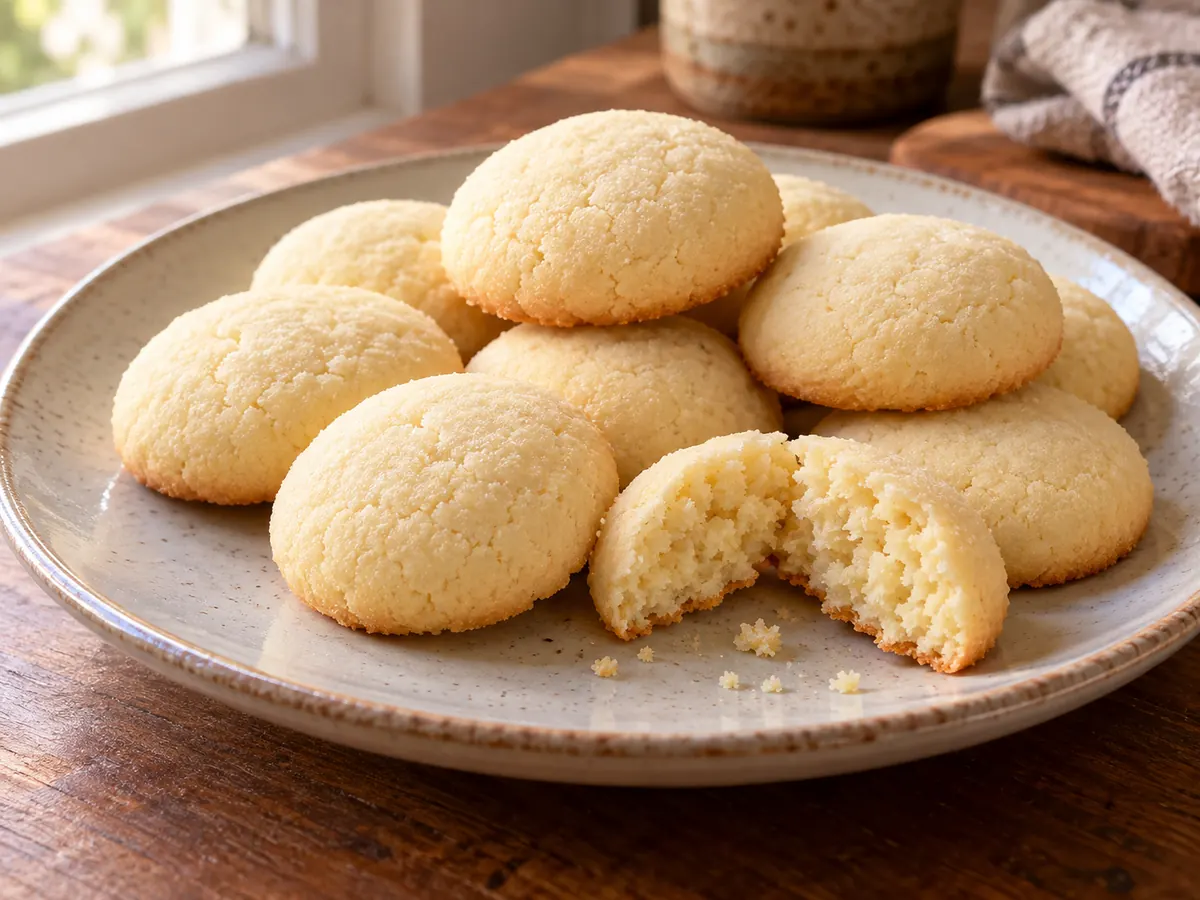
Icun is a Somali shortbread-like biscuit, generally pale, crumbly and rich in fat. Flour, sugar and butter structure many versions; cardamom or almond may change the aroma. The name identifies a biscuit, not every Somali festive pastry.
Context and testimony
Leila and Abdullahi place it in memories of street selling and celebrations such as Eid. Their account is situated culinary evidence. No etymology or invention date is established here from a vendor story or a resemblance to another biscuit.
Characteristic techniques
Mixing aims for a sandy texture rather than elastic bread dough. Small shaped pieces and baking that retains a pale colour are useful markers. Shapes and flavourings vary without requiring one decorative pattern.
Flavours, uses and distinctions
The sensation is melting then crumbly, with sweetness and butter or spice aromas. It accompanies tea and sweet platters. Kinship with shortbread or ghribia families explains texture but does not make those names universal synonyms.
Illustration and provenance
Illustration of round sandy biscuits; an opened piece shows texture rather than a filling.
RecettesAfricaines.com image bank — AI illustration inspected on 19 November 2026; not a documentary photograph.
References and further reading
Somali Shortbread Cookies — Leila & Abdullahi / Xawaash · 2012-08-11
References accessed: 19 November 2026. Culinary testimony documents practices, not an invention date or exclusive origin.