To acidulate (Aciduler)
French
Editorial collection: RecettesAfricaines.com · Publication director: Alioune FALL.
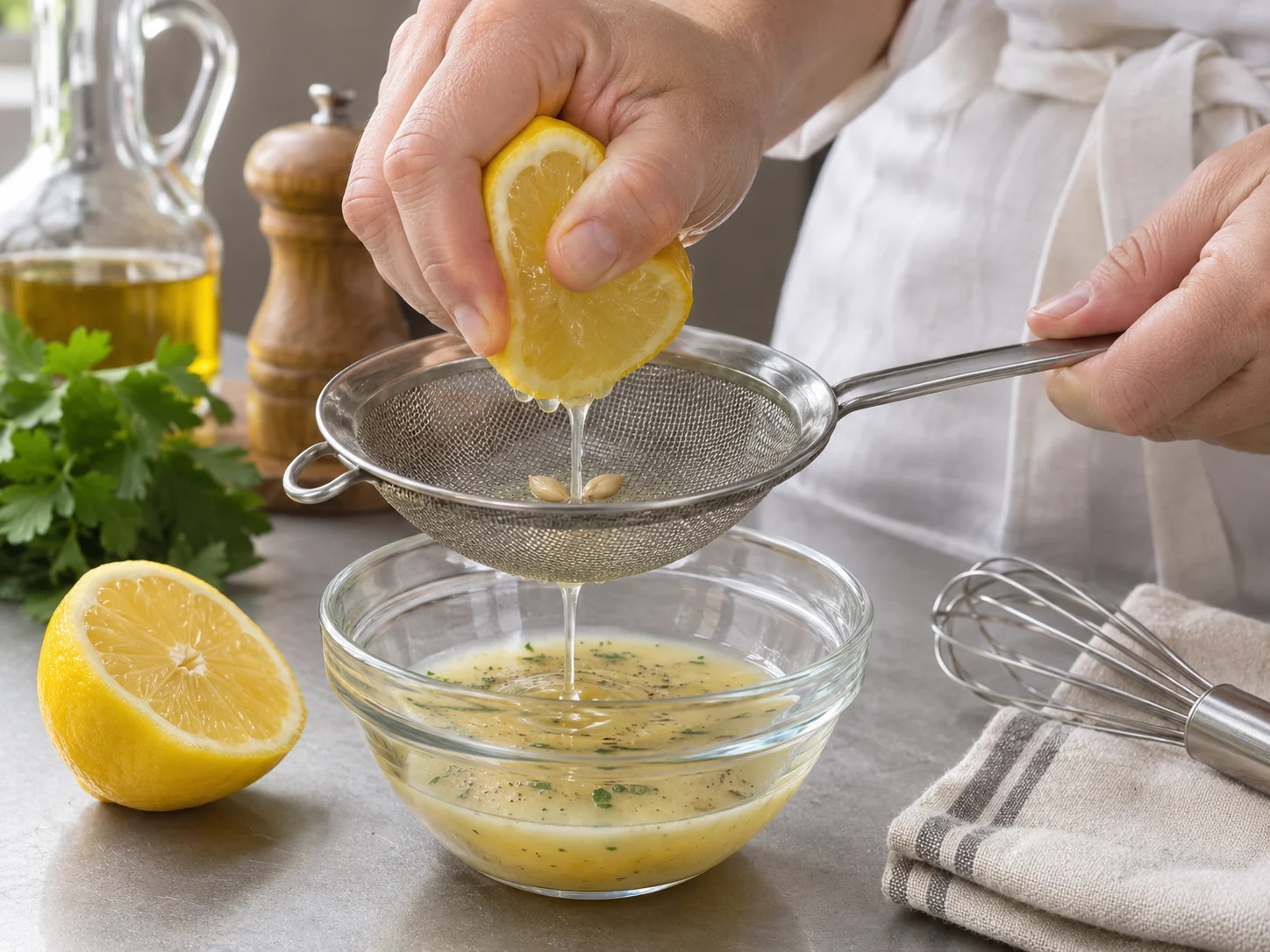
Definition and Scope
To acidulate involves introducing a subtle acidic note into a preparation. This is not about making a dish overtly sour, but rather imbuing it with a vibrancy and freshness that awakens the palate and balances other flavors. Acidity acts as a natural flavor enhancer, capable of cutting through richness, tempering bitterness, or elevating sweetness. The action is deliberate and controlled, aiming for gustatory harmony rather than a radical transformation of the aromatic profile. It applies to a wide range of preparations, from sauces to marinades, as well as beverages and certain desserts, always with the objective of refining the overall perception of flavors. The goal is to achieve a delicate balance where the acidic element brightens and complements the existing tastes without overpowering them. This careful addition can transform a dish from merely pleasant to truly captivating, adding a layer of complexity that invites further exploration of its nuances.
Desired Outcome
The ideal result of acidulation is a preparation whose flavor is more complex and balanced. The acidity should be perceived as an integrated element, not a dominant one. It should impart a sensation of lightness, cleanliness on the palate, and prolong the tasting experience. For example, in a rich sauce, acidity can prevent a cloying sensation by cutting through the fat. In a salad, it awakens the vegetables and herbs. For fish, it highlights its delicacy. The objective is never to mask existing flavors, but to enhance them, make them vibrant, and create an additional dimension that makes the dish more interesting and appetizing. Well-dosed acidity can also stimulate salivation, thereby improving the perception of aromas. This subtle enhancement ensures that each component of the dish is appreciated, leading to a more satisfying and memorable culinary experience. The dish should feel complete and harmonious, with the acidity acting as a unifying element.
Equipment and Product Selection
The necessary equipment is minimal: a citrus juicer, a fine grater for zests, or simply a knife for slicing fruits. The choice of acidifying agent is crucial and depends on the desired flavor profile. Citrus fruits (lemon, lime, bitter orange) provide a fruity and aromatic acidity. Vinegars (wine, cider, balsamic, rice) offer a range of more or less pronounced acidities and varied aromatic notes. Other ingredients such as tamarind, verjuice, sumac, or certain acidic fruits (currant, rhubarb) can also be used. It is essential to choose good quality products, as their aromas and intensity directly influence the final result. For example, a fresh, juicy lemon will yield a better result than concentrated lemon juice. The quality of the acidic ingredient directly impacts the purity and vibrancy of the final flavor, making careful selection a key step in successful acidulation. Experimenting with different agents can also lead to unique and exciting flavor combinations.
Interpreting the Action
The act of acidulating is primarily an act of tasting and adjustment. It is not about adding a fixed quantity, but about progressively incorporating the acidifying agent, then carefully tasting the preparation. Interpreting the action involves observing how the acidity interacts with the other components of the dish. For example, if a sauce seems flat or heavy, a few drops of lemon juice can transform it. If a dish is too sweet, acidity can restore balance. The action is often repeated: add a small amount, mix, taste, and repeat if necessary. It is a dance between the ingredient and the palate, where moderation is key. The goal is to reach the point where the acidity is present without being aggressive, just enough to sublimate the flavors. This iterative process ensures that the acidity is perfectly integrated, enhancing the dish without overwhelming it, and achieving a harmonious flavor profile that delights the senses.
Observation Criteria
To evaluate successful acidulation, several criteria can be observed. On a gustatory level, the acidity should be perceived as a fresh and lively note, without a burning sensation or excessive sourness. It should not mask other flavors, but rather clarify them and make them more distinct. On an olfactory level, acidity can enhance the volatile aromas of other ingredients. Visually, in certain preparations like sauces, acidity can sometimes slightly influence color or texture, for example, by brightening a sauce or aiding in the coagulation of certain elements. The most important criterion remains the overall balance of the dish: the acidity must integrate harmoniously, without imbalance. A well-acidulated preparation leaves a clean sensation in the mouth and invites the next bite. This holistic assessment ensures that the acidulation contributes positively to all sensory aspects of the dish, making it more appealing and enjoyable.
Educational Applications in Various African Cuisines
In various African cuisines, acidulation is a fundamental principle, often achieved with local ingredients. For example, in some West African cuisines, tamarind is commonly used to acidulate fish or meat sauces, providing a mild and fruity acidity. In North Africa, preserved lemon or fresh lemon juice is essential for balancing the rich flavors of tagines and couscous. In East African cuisines, fruits like baobab or green mango pulp can be used to add an acidic note to stews or beverages. An educational example could be to experiment with the gradual addition of lime juice to a peanut sauce to see how it brightens the richness of the peanut paste, or to use date vinegar to balance a sweet and savory dish. These applications demonstrate the versatility of the acidulation technique with varied products, adapted to local terroirs. Such explorations highlight the diverse ways acidity is used across different culinary traditions, enriching the understanding of its role in flavor development.
Distinctions from Related Techniques
It is important to distinguish acidulation from other culinary techniques that may seem similar. Acidulation aims to balance and enhance flavors, whereas fermentation, for example, is a transformative process that creates new flavors and textures, often with a more pronounced and complex acidity. Marinating, while often involving acidic agents, is a prolonged soaking process aimed at tenderizing, flavoring, and sometimes preserving food, where acidity is one component among others. Degreasing, although acidity can contribute by cutting through fat, is a distinct action specifically aimed at reducing fat content. Acidulation is a final adjustment, a touch of balance, whereas the others are more fundamental preparation or transformation steps. Understanding these distinctions is crucial for precise culinary execution, ensuring that each technique is applied with its specific purpose in mind, leading to the desired outcome without unintended side effects.
Errors and Corrections
The most common error when acidulating is adding too much at once, making the preparation overtly sour and unpleasant. Once a dish is too acidic, it is difficult to reverse. To correct excessive acidity, one can try adding a little sugar to mask the sourness, or a fatty ingredient (cream, butter) to coat the palate and lessen the perception of acidity. Diluting the preparation with a neutral liquid (water, broth) can also help, but this risks diluting other flavors as well. The best correction is preventive: add the acidifying agent little by little, tasting after each addition. Another error is not considering the other flavors of the dish, which can create an imbalance. For example, acidulating an already very salty dish can make it unpleasant. One must always consider the entire flavor profile. Careful, incremental additions and continuous tasting are the most effective strategies to avoid and correct errors, ensuring a balanced and enjoyable dish.
Variations and Adaptation
Acidulation offers numerous variations and possibilities for adaptation. Beyond classic citrus fruits and vinegars, one can explore less common acidifying agents like sumac, which provides a lemony and slightly fruity acidity, or verjuice, an unfermented green grape juice, offering a delicate and herbaceous acidity. Adaptation can also concern the form: using zests for an aromatic note without the liquid acidity, or acidic powders (like citric or tartaric acid in very small quantities) for a pure and concentrated acidity. The temperature of the preparation can also influence the perception of acidity: a hot dish may require more acidity than a cold dish to achieve the same effect. Experimentation with different sources of acidity significantly enriches the culinary repertoire and allows the technique to be adapted to varied flavors and textures. This flexibility allows chefs to tailor the acidic component to specific dishes, enhancing their unique characteristics and creating innovative flavor profiles.
My Advice
My main advice for acidulation is patience and frequent tasting. Never rely on a fixed quantity, as the acidity of natural ingredients can vary considerably. Always start with a small amount, mix well, then taste carefully. Allow the flavors to develop on your palate before deciding if an additional amount is necessary. Think of acidity as a spice: it should complement and enhance, not dominate. Do not hesitate to experiment with different acidifying agents to discover their nuances and how they interact with your favorite dishes. Acidulation is a subtle art that, when mastered, can transform a good preparation into an exceptional culinary experience. This iterative approach ensures that the acidity is perfectly integrated, contributing to a harmonious and delightful flavor profile that elevates the entire dish.
Sources and further reading
2026-11-19